Movies and TvShows featuring "russian-war-crimes" theme.

The murder of thousands of Polish officers and representatives of the elite by the Soviets was a planned action of extermination of that part of the society of the Second Republic, which formed the foundation of Polish statehood. For the Communists, it was a prelude to their subsequent seizure of power, which is why the Katyn lie became one of the cornerstones of the Polish People's Republic. From the beginning, however, Poles demanded that the truth about the crime be revealed.
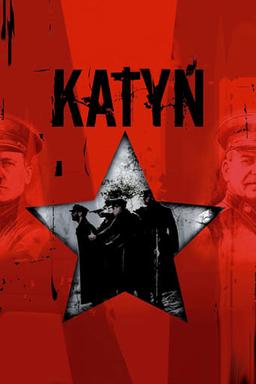
Katyn is a movie based on the true story of the Katyn massacre that took place in Poland during World War II. It portrays the tragic events and the impact it had on the Polish people.
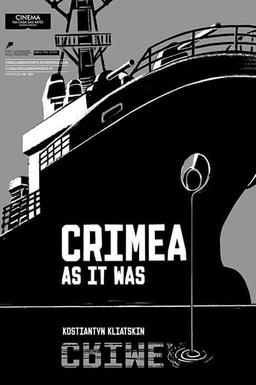
Crimea. As It Was is a documentary film that explores the events of the Russo-Ukrainian war and the Russian invasion of Crimea. It delves into the experiences of Ukrainian soldiers, sailors, and pilots, capturing their bravery, loyalty, and the challenges they faced during the conflict. The film also touches upon the impact of the war on Ukrainian politics, international relations, and the Black Sea region. It sheds light on the courage displayed by the Ukrainian military and highlights the war crimes committed by the Russian forces.
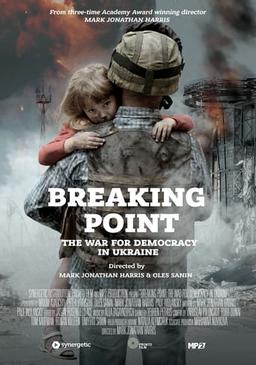
Breaking Point: The War for Democracy in Ukraine(2017)
 100%Tomatometer
BREAKING POINT: The War for Democracy in Ukraine looks at people transformed by a democratic revolution, who give up their normal lives to fight a Russian invasion, in a war which has killed 10,000 and displaced 1.9 million Ukrainians.

Working with their team at the Clooney Foundation for Justice, Anya Neistat, a brilliant war crimes investigator, joins forces with Solomiia Stasiv, a young Ukrainian woman just entering the field. Together they document atrocities in the fight to bring Russian generals to trial and justice to the Ukrainian people.
About the discovery of a mass grave with Polish officers in Katyn in Russia in 1943 and the identification of the skull that the Danish doctor Helge Tramsen took home
Józef Gębski's film is a documentary reconstruction of the crime committed by NKVD officers against Polish officers imprisoned in Starobielsk and Kharkov in 1940. Accounts of historians and prosecutors are juxtaposed with the testimony of the then heads of the central and regional NKVD board.
The forest in Bykovnia near Kyiv hides the remains of more than 30,000 NKVD victims, including several thousand Poles. In 2006, a team of Polish archeologists, with the cooperation of the Ukrainian side, conducted exhumation work there, which confirmed that Poles were buried in the cemetery. At the time, two people whose fathers are believed to be buried there also came to the Bykovsky forest. The film tells the story of the history of the place, the local residents' perception of it, and the search for the fathers' graves.

Documentary film about war crime — annexation of Crimea by the Russian Federation.
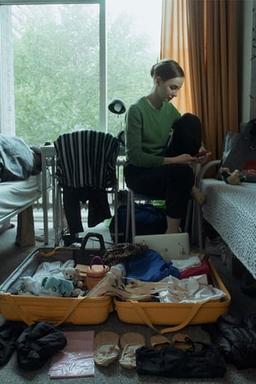
Stories about young Ukrainian dancers and their hasty flight to the Netherlands. You see their new life as refugees. The former conservatory in The Hague is a shelter for them where they collect their lives and find refuge in their profession: dance. The formation of a new ballet company, The United Ukrainian Ballet, is an important foothold in winning back their lives. They find comfort in each other and close friendships develop. In addition, there is the great love for ballet, for the dancers the best way to express themselves.
The Katyn case over the course of 70 years. A film by the Memorial Association.
On the basis of "Notes from the escape of Edmund K. (policeman)" and archival photos, the director reconstructed the "raid" in the Kielce-Katyn area in September 1939. The family of a policeman, along with a column of fugitives, loses their luggage, hopes and illusions along the way.
A documentary about the Katyn massacre, which the Soviet authorities kept silent about both during World War II and for several decades afterwards.
The film recalls the most important facts related to the more than 60-year history of the struggle for the truth about the crime committed in 1940 against 21,000 Polish officers, prisoners of war of the NKVD.
Katyń. The name of this town was banned during the communist era in Poland. It appeared as an entry in only one edition of the PWN encyclopedia from 1958, where the Germans were blamed for the crimes. When, in 1989, one of the periodicals placed this word on the cover of its April issue in the context of National Remembrance Month, the publication provoked deep and loud outrage from Wiesław Górnicki, a publicist and official advisor to General Wojciech Jaruzelski. The name Katyń had been ruthlessly and consistently erased from the national memory.
A documentary about the modern controversy between Poland and Russia over Russian prisoners of war from the time when Poland regained its independence, after the First World War.
An account of Halina Borek's long 52-year search for the grave of her bestially murdered father. Her recollections are accompanied by excerpts from an original film shot during the exhumation of the remains of Polish officers. The film is narrated by archaeologist Zdzislaw Sawicki, who was one of the first to uncover the secrets of the Katyn graves.

Igor Wolf was a notorious Russian war criminal in the 90s. Twenty years later, the life of Igor Wolf, his son of the same name, is cut short, as he is the only one who can reveal the secrets his father was hiding.
No More results found.