Movies and TvShows featuring "den-haag" theme.


In post-war Bosnia-Herzegovina, a judge seeks justice and truth amid the aftermath of ethnic cleansing and war crimes. As witness testimonies bring old wounds to the surface, he must navigate the complexities of the international criminal tribunal and confront his own demons.

As the resistance group takes more risks during its operations, Johan discovers there is a traitor among them. Meanwhile, the British are preparing a rescue operation that ultimately went horribly wrong on the morning of March 3, 1945.

Jonathan Stavleu explores, in a stream-of-consciousness video essay, the relationship people have with water and what happens when access to it is taken away. For this work, he examines anecdotal histories he has heard from Estonians, as well as stories from his own family history in the Netherlands, weaving them together into a journal-like narrative.
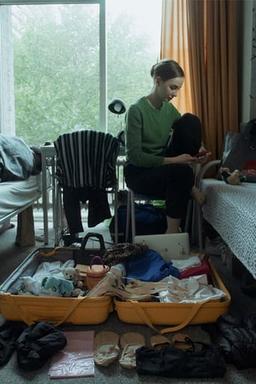
Stories about young Ukrainian dancers and their hasty flight to the Netherlands. You see their new life as refugees. The former conservatory in The Hague is a shelter for them where they collect their lives and find refuge in their profession: dance. The formation of a new ballet company, The United Ukrainian Ballet, is an important foothold in winning back their lives. They find comfort in each other and close friendships develop. In addition, there is the great love for ballet, for the dancers the best way to express themselves.


No More results found.