Movies and TvShows featuring "yangtze-river" theme.
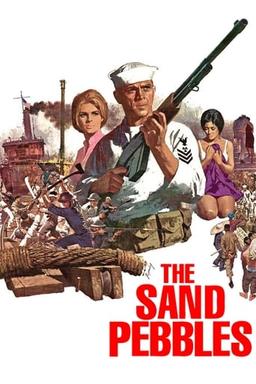

In 1926 China, sailor Jake Holman is assigned to the USS San Pablo, a gunboat patrolling the Yangtze River. As tensions rise between the Chinese nationalists and warlords, Holman and his crew find themselves caught in the middle of the conflict. They must navigate treacherous waters, face hostile locals, and protect the gunboat at all costs. Along the way, Holman forms a bond with a Chinese woman and a group of missionaries, leading to a clash of cultures and a tragic ending.

Red Cliff is an epic historical action film set in 3rd-century China. It follows the events of the Battle of Red Cliffs, a crucial turning point in Chinese history. The film depicts the strategies and military actions of various warlords, the political intrigue surrounding the battle, and the key figures involved. With stunning visuals and intense battle scenes, Red Cliff immerses viewers in the world of ancient China.

Still Life is a poignant drama that takes place in modern-day China. It follows the lives of two individuals, a man and a woman, who are each searching for something in their own ways. The film explores themes of tradition, loss, and the impact of rapid urbanization on rural communities. Through beautiful cinematography and compelling storytelling, Still Life paints a vivid portrait of life in contemporary China.

Set during the Chinese Civil War, the movie portrays the events that led to the formation of the People's Republic of China, including the struggle between the Communist Party and the Nationalist Party. It highlights the key moments, political leaders, and military strategies that shaped the country's transition to socialism.
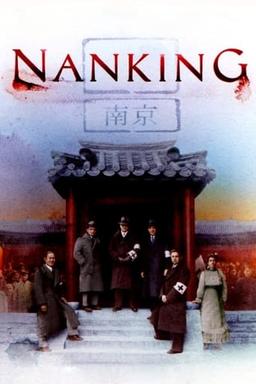
Nanking (2007) is a documentary that tells the tragic story of the Nanking Massacre that took place in China in 1937. The film sheds light on the horrifying violence and atrocities committed by the Japanese army during their occupation of Nanking, and explores the courage and resilience of the Chinese people who survived the massacre.

Crosscurrent is a movie set in China that follows a young man as he embarks on a spiritual journey along the Yangtze River. He discovers profound insights about himself and the world around him. The film explores themes of self-discovery, spirituality, and the beauty of the Chinese landscape.

Manufactured Landscapes is a documentary that explores the environmental consequences of industrialization and consumerism through the lens of landscape photography. The film follows photographer Edward Burtynsky as he travels to China to capture the vast and surreal landscapes created by massive factories, waste dumps, and industrial developments. Through stunning visuals and interviews with workers and residents, the film highlights the scale of industrial production, the impact on local communities, and the global consequences of our consumer-driven society.
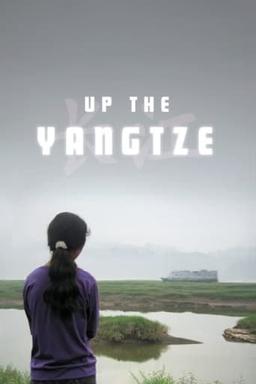
Up the Yangtze is a documentary that explores the effects of the construction of the Three Gorges Dam on the Yangtze River in China. It follows the lives of people who are affected by the dam, including a young girl forced to leave her home and work on a cruise ship.

Around China with a Movie Camera is a compilation documentary that takes viewers on a mesmerizing journey through the diverse landscapes and vibrant culture of China. Through a collection of silent films, the documentary showcases iconic landmarks such as the Great Wall of China and the Forbidden City, as well as the bustling cityscapes of Beijing and Shanghai. Delving into the unknown origins of China's cinematic history, the film provides a fascinating glimpse into the country's rich heritage.

The Missing Star is a drama film set in China. It follows the story of a single mother and her child as they embark on a road trip to find their missing star. Along the way, they encounter various challenges and obstacles but ultimately discover the true meaning of family and love. The film highlights the struggles of poverty and the strength of the human spirit.

A policeman investigates an introverted signal-station manager suspected of raping a hotel clerk.


Waking the Green Tiger is a documentary that explores the rise of the environmental movement in China, focusing on the struggle to protect the natural beauty of the Yangtze River and its surrounding areas. The film examines the impact of unregulated industrial development and the historical context of environmental activism in the country, highlighting the influence of Mao's policies and the Cultural Revolution. It also chronicles the efforts of activists to stop the construction of the Three Gorges Dam and raises important questions about the balance between economic development and environmental preservation.

The Battle of Shanghai has been described as the last battle of World War I, and the first battle of World War II. It was a warning to the world, a warning that was ignored. And it was the place where the destiny of modern China was set in motion. Based on the book “Shanghai 1937: Stalingrad on the Yangtze” by Danish author Peter Harmsen, this film introduces key figures in the conflict, chronicles how the battle unfolded over the course of three months, and explores the aftermath and years of war that followed.

Swimming, Dancing examines audiovisual representations of the Yangtze (1934–present), from silent film to video art to the contemporary vlog. Inspired by the city symphonies of the 1920s, Swimming, Dancing pieces together a “river symphony”, evoking the images, sounds and contradictions that make up the river’s turbulent history.


This 1938 film "With the Yangtze Patrol" takes a look at the U.S. Navy's riverine operation along the Yangtze River. From 1854 to 1949 enacted to protect the Navy patrolled the coastal waters of China in a bid to extend U.S. economic interests including those of the Standard Oil Co.
No More results found.