Movies and TvShows featuring "worlds-fair" theme.
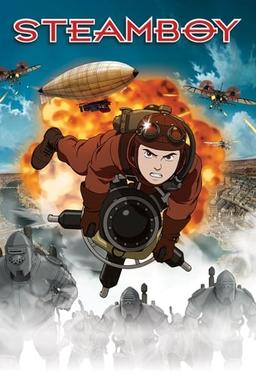

Steamboy is a thrilling steampunk fantasy movie set in 1860s England. The story follows a young inventor named Ray Steam, who receives a mysterious package from his grandfather. This package contains a powerful steam ball, which becomes the center of a battle between various factions who seek to control its energy. Ray must use his ingenuity and courage to protect the steam ball and save his friends and family from danger.
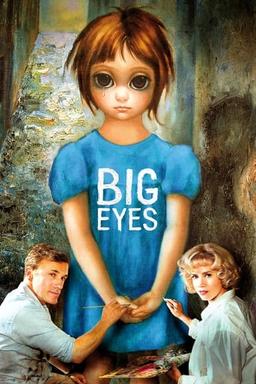
Big Eyes is a biographical drama film that tells the story of Margaret Keane, an artist whose paintings of big-eyed children became extremely popular in the 1950s and 1960s. However, her husband, Walter, took credit for her work, leading to a legal battle between the two. The film explores Margaret's struggle to reclaim her identity as an artist and the impact of her art on popular culture.
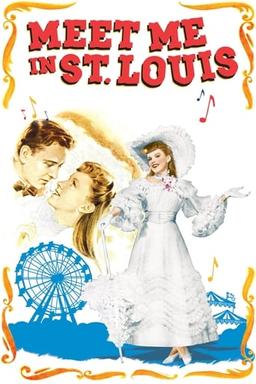
Meet Me in St. Louis follows the Smith family as they navigate love, friendship, and Christmas festivities in St. Louis at the dawn of the 20th century. With memorable musical numbers and charming characters, the film captures the nostalgic spirit and Americana of the era.
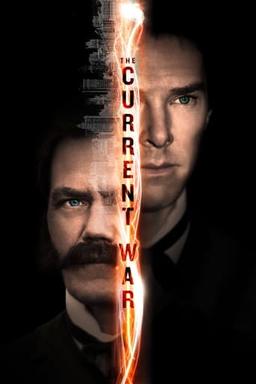
The Current War (2017) tells the story of the epic rivalry between Thomas Edison and George Westinghouse, as they compete to create a sustainable electrical system and power the world. Set in the late 19th century, the film explores their bitter feud, which escalates into a war known as the 'current war.' With their reputations and futures at stake, both inventors fight relentlessly as they navigate through the challenges of technology, business, and personal relationships.
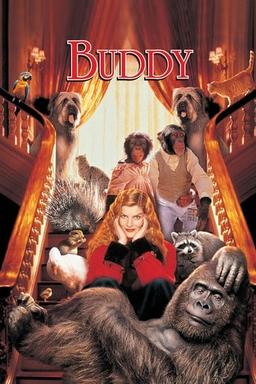
In 1920s New York City, a socialite forms an unlikely bond with a chimpanzee named Buddy. Together, they embark on a hilarious and heartwarming adventure, encountering various eccentric characters along the way.
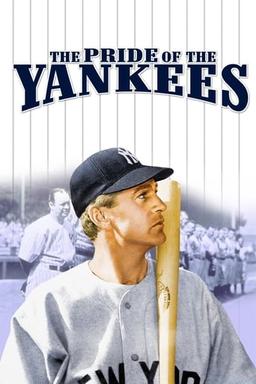
The Pride of the Yankees (1942) tells the inspiring story of Lou Gehrig, a legendary baseball player who becomes a hero on and off the field. From his humble beginnings to his rise as a sports icon, the movie showcases Gehrig's determination, talent, and his battle against motor neuron disease. It explores his relationships, his marriage to his wife, and his farewell speech at Yankee Stadium that moved the nation. The movie captures the essence of Gehrig's legacy and the indomitable human spirit.
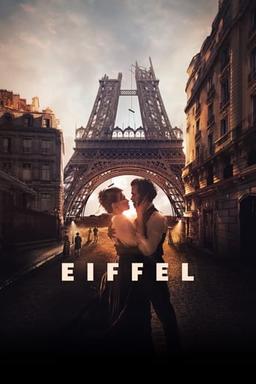
Set in 19th-century Paris, Eiffel tells the story of the construction of the iconic Eiffel Tower and the forbidden love affair between the renowned civil engineer Gustave Eiffel and Adrienne Bourgès, a woman trapped in a loveless marriage. As they work together on the monumental project, their bond deepens, leading to a passionate yet doomed romance. Amidst the backdrop of the 1889 Exposition Universelle, the film explores themes of love, ambition, and social class in the Belle Époque era.
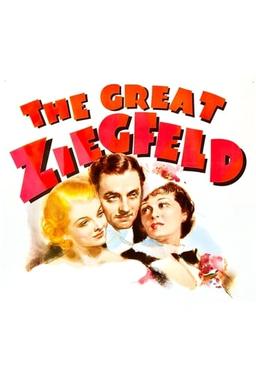
The Great Ziegfeld is a musical biographical film about Florenz Ziegfeld Jr., a Broadway impresario known for his lavish stage productions and his promotion of showgirls. The film follows Ziegfeld's rise to fame, his tumultuous relationships with his wife Anna Held and actress Billie Burke, and the financial crisis that threatens his theatrical empire. Despite obstacles, Ziegfeld perseveres and achieves vindication with his successful production, the Ziegfeld Follies.

Young love and childish fears highlight a year in the life of a turn-of-the-century family up to the 1904 St. Louis World's Fair.
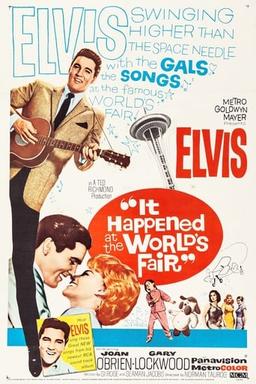
It Happened at the World's Fair is a musical comedy that takes place at the 1962 Century 21 Exposition in Seattle, Washington. The story follows a truck driver named Mike who becomes involved with a young girl named Sue-Lin. Together, they navigate the fairgrounds, encounter various colorful characters, and even help prevent Sue-Lin's uncle from gambling away their farm. Along the way, there is romance, adventure, and plenty of music.

Charlie Chan visits Treasure Island in San Francisco to investigate a phoney spiritualist who is using mind-reading tricks during seances to obtain blackmail evidence. Along the way, Chan uncovers a hidden secret room and must solve a series of mysterious crimes.

Make No Little Plans: Daniel Burnham and the American City(2010)
Make No Little Plans: Daniel Burnham and the American City reveals the fascinating life and complex legacy of architect and city planner Daniel Hudson Burnham. In the midst of the late nineteenth century urban disorder, Burnham offered a powerful vision of what a civilized American city could look like, one that provided a compelling framework for Americans to make sense of the world around them. A timely, intriguing story in the American experience, Make No Little Plans explores Burnham's impact on the development of the American city as debate continues today about what urban planning means in a democratic society.

Knute Rockne All American is a movie based on the true story of Knute Rockne, a Norwegian immigrant who becomes a football player and later a coach at the University of Notre Dame. The film portrays Rockne's struggles and successes, highlighting his innovative coaching techniques and the importance of teamwork and sportsmanship.

In Gamera vs. Jiger (1970), Gamera, the giant turtle, faces off against the formidable monster Jiger as it threatens the city. With the world's fair taking place, Gamera must stop Jiger's rampage and save the day. As the battle ensues, they engage in an epic clash, showcasing their immense powers and strength.

Explore the world of propaganda, from World War I to the present, and its role in shaping public opinion through marketing and advertising. This documentary delves into the tactics used by advertising experts and war propaganda during the 20th century. It also examines the influence of propaganda in shaping history and neo-colonialism. Discover the power of persuasive messaging and its impact on societies around the world.
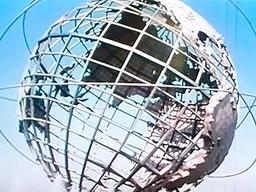
Promotional film extolling the wonders to be seen at the New York World's Fair.

Animated segments which might have originally framed live action footage of bakers at work making Wonder Bread and Hostess cakes.

The World's Greatest Fair is a documentary film that explores the history and impact of the 1904 World's Fair. It showcases the recreation of the fair and highlights various aspects such as ragtime music, the role of the publisher, indigenous people, and the technological advancements of the time. The film also delves into the tragic trainwreck that occurred during the fair and the influence of the fair on the city of St. Louis.

Uses first-person accounts from Missourians who went to the Fair in 1904, interviews with historians, archival motion pictures, and photographs to situate the St. Louis Fair in the social, political, and cultural context of American society in 1904. Covers American civilization at the turn of the century; the representation of history; authenticity; modernity; dress and body language; oral history and childhood memories; world fairs as experiences; and receiving information through visual symbols, words, and exhibits.

The Story of Will Rogers is a biographical comedy-drama film that tells the life story of Will Rogers, a famous humorist. The movie showcases Rogers' career, his time at the World's Fair, and his iconic character. It is based on a true story and features his interactions with Florenz Ziegfeld and his involvement in the Louisiana Purchase Exposition.