Movies and TvShows featuring "women-in-society" theme.
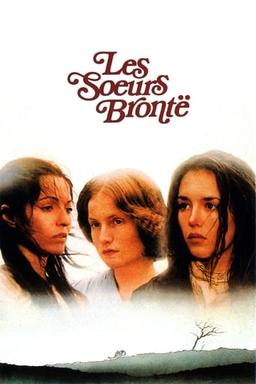
Set in 19th century Yorkshire, The Bronte Sisters follows the lives of Charlotte, Emily, and Anne Bronte. The film explores their relationships, writing careers, and personal struggles, including the tragedy of their sister's death. It delves into themes of love, creativity, and the societal constraints faced by women during that period.


La Vérité follows the story of a Parisian woman who leads a promiscuous and irresponsible lifestyle. When her sister dies in a tragic accident, she must face the consequences of her actions and come to terms with her own personal responsibility.

Effi Briest is a young woman who is married off to an older man against her will. She soon realizes that her marriage is loveless and oppressive, leading her to seek solace in an affair. The consequences of her actions unfold tragically as her husband discovers her infidelity and seeks revenge.
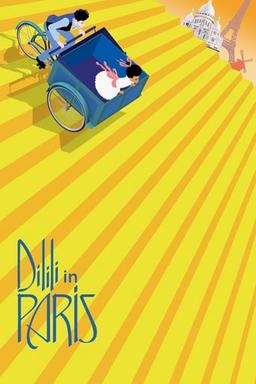
In 19th century Paris, Dilili, a young Kanak girl, teams up with an investigative journalist to solve the mysterious disappearance of high-profile girls. They uncover a secret organization and navigate the treacherous Belle Époque society to rescue the kidnapped girls.
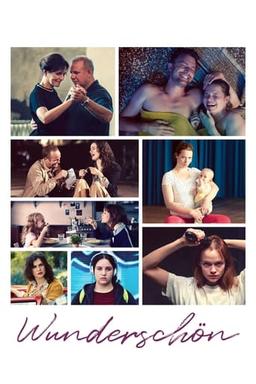
Five women of different ages are confronted with their self-image and the demands of themselves and others.

Based on a true incident, this tells the story of a troubled young man who kills his sister's reactionary, violent and abusive husband and is eventually arrested for the murder. However, the dead husband happened to be a member of the Italian nobility, and the trial starts to turn into more of a prosecution of the defendant's socialist politics and the activities of his father, a well known liberal social reformer, than the actual crime itself.
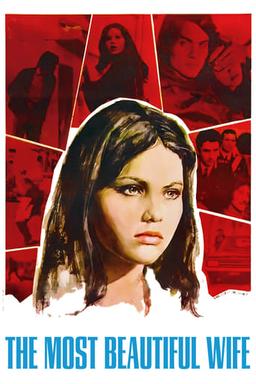
In Sicily, during the 1970s, a powerful mafia don threatens a family's unity by forcing a young woman into a marriage with his own son. The family faces poverty, violence, and social struggles, leading to a dramatic climax.

Middle-aged municipal architect Mikko is frustrated with his job and his marriage, so for years he has directed his energy into renovating a turn-of-the-century wooden villa on the seaside. One beautiful summer evening Mikko and his wife Liisa invite old friends to a party in the villa: divorced intellectual Erik who gets along a little too well with Liisa; and noisy building contractor Hessu with his young and sexy new wife Pirre. Their increasingly drunken discussions are interrupted by a surprise visit from Mikko's and Liisa's daughter Jonna and her husband Pete. A conflict between the father and the daughter ensues in front of the guests.
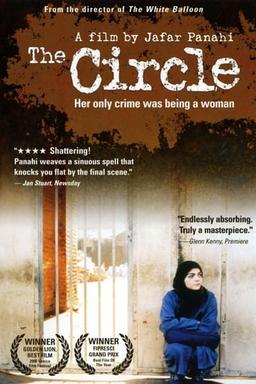
The Circle follows the story of a young Iranian girl named Arezou who is released from prison and faces numerous challenges as she tries to rebuild her life. The film explores themes of oppression, women's rights, and the struggle for freedom.
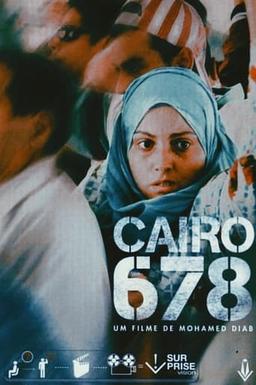
Cairo 6,7,8 is a thought-provoking drama that delves into the lives of three women in Cairo, each facing their own unique challenges and struggles. The film tackles sensitive topics such as sexual harassment, rape, and societal pressures, and offers a gripping narrative that explores the complexities of life in a modern Egyptian society.

In a small village in Southern Italy, a shy man falls in love with a maid and is determined to win her heart. Set against the backdrop of poverty and misery, he faces obstacles and challenges but never loses sight of his dreams. With the help of a village priest, the young man declares his love and embarks on a journey of self-discovery and romance.

The Week The Women Went is a television show produced by Paperny Films, and based on a BBC Three program of the same title. The show was part documentary, part reality television, that explores what happens when all the women in an ordinary Canadian town disappear for a week and leave the men and children to cope on their own. The first season of the show was taped in Hardisty, Alberta from June 2 to June 9, 2007 and consisted of eight one-hour episodes. The show first aired on CBC Television in Canada on January 21, 2008 and concluded on March 10, 2008. An estimated 1.2 million viewers watched the debut episode. The second season of the show was shot in Tatamagouche, Nova Scotia from September 8 to September 15, 2008 and began airing on January 21, 2009.
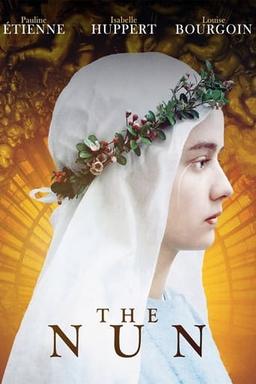
In 18th-century France, a young woman joins a convent seeking solace but instead finds herself subjected to religious abuse and sadistic cruelty. She must navigate the oppressive and manipulative atmosphere of the convent, facing rejection from her mother, a mother superior who takes pleasure in humiliation, and a malevolent nun who holds power over the entire convent. As she struggles with her own religious beliefs and the torment inflicted upon her, she uncovers dark secrets and fights to maintain her sanity and assert her rights as a woman.
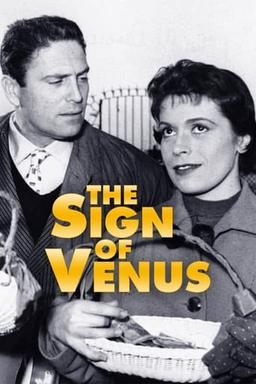
The Sign of Venus follows the story of a woman who is looking for love and purpose in her life in post-war Italy. She faces challenges such as loneliness, heartbreak, and the difficulties of finding a job. Along the way, she encounters various characters and gets involved in comical and romantic situations. The movie explores themes of feminism, women's liberation, and societal expectations in the 1950s.

Carnival in Flanders is a satire-comedy film that takes place during the Eighty Years' War in Flanders. The story revolves around a mayor who tries to protect his town from an invasion by a Spanish army. With the help of a mercenary, the mayor devises a plan to outsmart the invaders. The film is filled with humor, romance, and social satire.
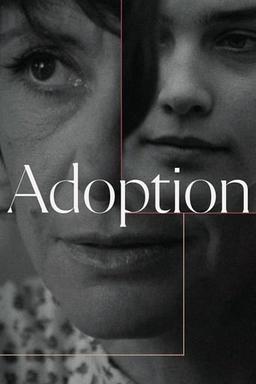
Adoption is a heartfelt drama set in 1970s Hungary, following the story of a female protagonist who is struggling with her marriage, empty nest, and longing for a child. The plot explores themes of loneliness, estranged parents, and the complexities of relationships. The protagonist's desire for a family leads to complicated situations, including an affair with a married man and considerations of adoption. With a backdrop of societal expectations and the harsh realities of life, the movie delves into the struggles faced by women in society and the quest for love and belonging.

When her sister is mugged and raped, Oili, a young female forensic dentist, meets a group of abused women who have taken matters to their own hands to make the living in fear and just letting it happen stop.

A woman wakes up on a beach tied in a plastic press wearing only underwear and high heels. “Not again”, she sighs and decides to track down the enemy and strike back. She gets a companion from an older woman, who has been pushed to the borders of society. During their journey through classical cinematic landscapes these nameless women from different generations struggle to connect and understand each other’s perspectives while their passion for men and male attention gets in away.

In Everybody's Woman, a troubled artist falls in love with a femme fatale in Italy. The story explores themes of unrequited love, relationship problems, and the challenges faced by women in society. As the plot unfolds, the artist's life takes a dramatic turn as he becomes entangled in the world of show business, celebrity, and filmmaking. The movie delves into the complexities of love, adultery, and the perils of fame.
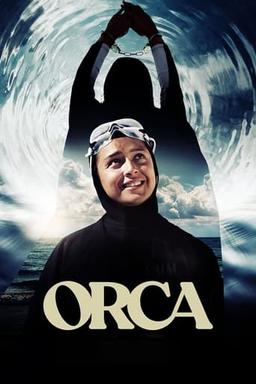
Elham is a young, divorced Iranian woman. Seeking to find herself after a near-fatal beating by her husband, she finds solace and salvation in the water and soon makes her mark as a formidable endurance swimmer. In the fight of her life, Elham faces political, religious, and personal obstacles in search of her goal: the Guinness World Record for swimming the longest distance with hands bound.