Movies and TvShows featuring "video-collage" theme.
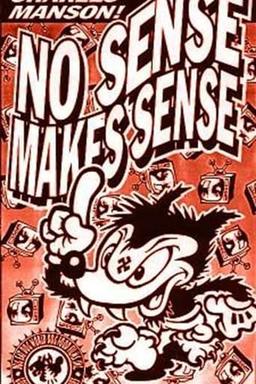
Portrait of Charles Manson. Contains various interviews with J.R. Bruun, Boyd Rice, Nikolas Schreck and other persons with an interest in Charles Manson, inter cut with a barrage of weird clips from movies and television.

An animated satire on the question of self-image for African American women living in a society where beautiful hair is viewed as hair that blows in the wind and lets you be free. Lively tunes and witty narration accompany a quick-paced inventory of relaxers, gels, and curlers. This short film has become essential for discussions of racism, African American cinema, and empowerment.

This is the second volume of ultra-rare oddities, obscurities and jaw-droppers that may be among the best 85 minutes Something Weird has ever assembled and almost all of them from the original negatives! Titles include The Martians (1962), Tops ‘n Tunes (1964), Swinger (1966), Slumber Party (196?), Chemical Pop (196?), The Assignation (1963), A Christmas Fantasy (196?), Woton’s Wake (1964) and some newly-discovered trailers for live midnight shows.

Global Groove was a collaborative piece by Nam June Paik and John Godfrey. Paik, amongst other artists who shared the same vision in the 1960s, saw the potential in the television beyond it being a one-sided medium to present programs and commercials. Instead, he saw it more as a place to facilitate a free flow of information exchange. He wanted to strip away the limitations from copyright system and network restrictions and bring in a new TV culture where information could be accessed inexpensively and conveniently. The full length of the piece ran 28 minutes and was first broadcasted in January 30, 1974 on WNET.
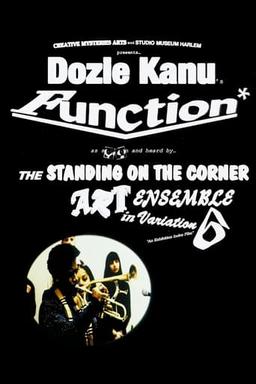
As seen and heard by... the Standing on the corner art ensemble, an "Exhibition" Index Film
Unofficial music video for Never Come Back by Caribou, using clips from almost a hundred films watched during lockdown.

The found footage collective, Everything is Terrible! Has taken over 2,000 forgotten VHS tapes and re-contextualized them in order to tell the tale of The Dark Lord himself, Lucifer.

An experimental, mixed-media retelling of the Biblical story of Adam and Eve. Of course, when a story this old is told countless times throughout the centuries, a few important details are bound to get lost in translation...

Filming of the historical montage of Oswald de Andrade's play, where decadent millionaires, depraved children, corrupt and implacable capitalists are the characters interpreted by the Grupo Oficina, in a celebrated theatrical performance from 1967, fundamentally recorded in 1971 and released only in the 1980s.
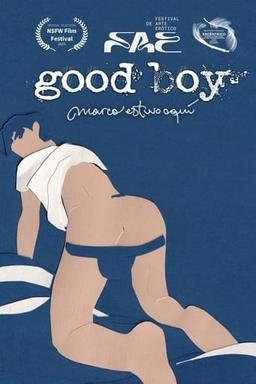
The author's erotic imagination is mixed between desire and magazine clippings, and the trade of collage becomes a ship that travels from outer space to the city itself.

A surrealistic fantasy based on the 15th century woodcuts of the dance of the dead. A film experiment that deals with the photoreality and the surrealism of life. A collage-animation that cuts up photos and newsreel film and reassembles them, producing an image that is a mixture of unexplainable fact (Why is Harpo Marx playing a harp in the middle of a battlefield?) with inexplicable act (Why is there a battlefield?). It is a black comedy, a fantasy that mocks death ... a parabolic parable.
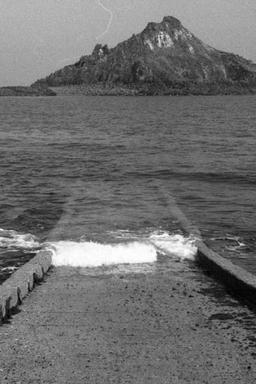
Considerations on collage as a cognitive act in artists’ cinema. A pedagogical film adrift: 35mm photographs and other materials collected over the last fifteen years by artist Stefano Miraglia meet a text written by Baptiste Jopeck and the voice of Margaux Guillemard.
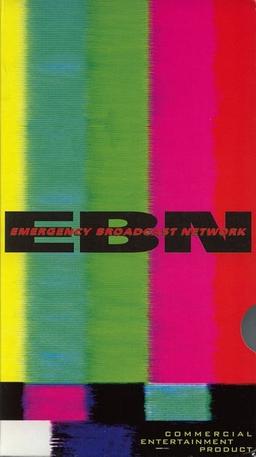
Commercial Entertainment Product is a satirical movie that criticizes media manipulation and commercialism. It combines elements of electronic music, video collage, and techno music to create a visually captivating experience. The movie takes a satirical approach to critique American television and politics, using distorted images, repeated stock footage, and news footage. It also includes montages of presidential addresses and state-of-the-union speeches. Through its unique video art style, the movie aims to highlight the culture of commercial entertainment and the impact of media on society.

The second essay about still dominant dark aspects of our modern society. It is conceived as a surreal anti-patriarchal thought experiment and raises important questions about gender, power, and social change, prompting us to reflect on how historical patterns of discrimination and oppression might be either repeated or overcome in a reversed gendered world. It challenges the viewer to confront their own assumptions and biases, and to consider the possibilities of a more equitable society.

In this episode of HIUWTS, Hana’s birthday goes wrong! Mom throws the perfect party, but Dad spoils all the fun… Watch as the TV crew invades the family’s home and the show distorts their reality!
“PLUTOT LA VIE is one of many ‘scratch films’ made specifically to be shown at Cabaret RAF, a vaudeville and variety show presented at irregular intervals at Passerby at Gavin Brown Space and Participant, Inc between 2004-05. PLUTOT LA VIE accompanied an evening of hypnosis demonstrations and performances by a fakir and a fire artist. Assembled from degraded prints of BLONDE VENUS, M, I WALKED WITH A ZOMBIE, CRIMINAL LOVERS, DEAD OF NIGHT, TRIUMPH OF THE WILL and THE TESTAMENT OF DR. MABUSE, PLUTOT LA VIE is a meditation on the society of the spectacle and mass hypnosis.” –PARTICIPANT INC
A load of Halloween monsters freak each other out in a strobing cacophany.
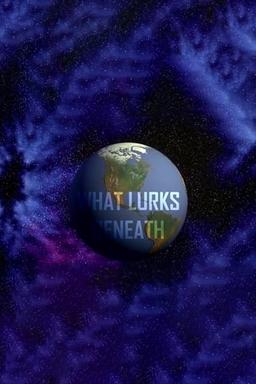
An homage to the weird and wonderful world of B-movies, this short fauxdocumentary by film artist Chris Gerrard splices together classic clips with some new footage to tell the ludicrously fake story of the mysterious people (and things) lurking beneath us in the eerie River Tay. Feast your eyes on this unique archaeology of aquatic-themed film.
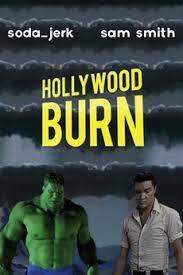
Hollywood Burn is a documentary film that delves into the history and consequences of video piracy in Tinseltown. Through a collage of film clips and archival footage, the movie showcases the rise of video piracy and its effects on the film industry. It examines the legacy of piracy and its impact on both the art of filmmaking and the economy of Hollywood. With a blend of nostalgia and critical analysis, Hollywood Burn paints a comprehensive picture of the controversial topic.

A sock puppet explores a family history told from the perspective of a mother and father.