Movies and TvShows featuring "valley-of-the-kings" theme.
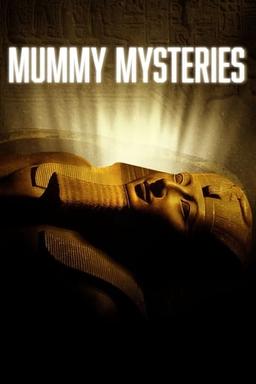
An international team of archaeological experts reveal the true stories behind ancient Egypt's most infamous mummies, using modern forensic science, they uncover tales of life and death in one of history's most mysterious civilizations.
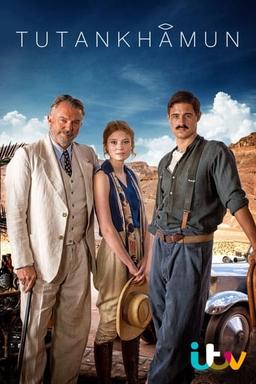
Tutankhamun (2016) is a TV show that follows the story of an Englishman archaeologist who embarks on a treasure hunt in Egypt's Valley of the Kings. With the help of hieroglyphics and clues, they search for King Tutankhamun's tomb, facing the curse and finding valuable treasures along the way. The show is set in the 1910s and 1920s, showcasing the fascination with Egyptian antiquities during that era.
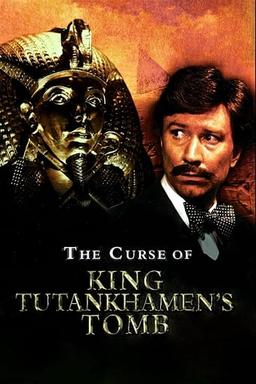
Egyptologist Robin Ellis and American reporter Eva Marie Saint uncover King Tut's burial site but wealthy profiteer Raymond Burr tries to make sure that the valuable artifacts in its chambers never leave the country.
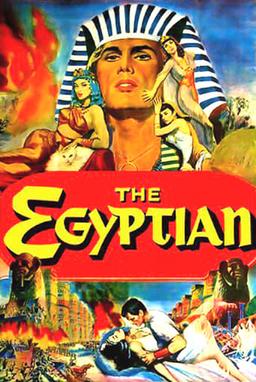
The Egyptian is an epic drama set in ancient Egypt, depicting the life of a physician named Sinuhe. The story follows Sinuhe's journey from poverty to prosperity, his encounters with various historical figures, and his involvement in political and religious conflicts. As he navigates through the complexities of Egyptian society, Sinuhe struggles with his own personal identity and searches for meaning and fulfillment in a world of uncertainty and change.
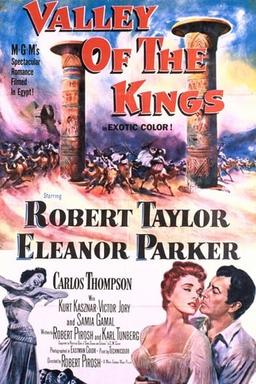
Valley of the Kings is an epic adventure film set in Egypt in the early 1900s. The story follows an archaeologist who discovers a tomb in the Valley of the Kings, leading to a thrilling journey filled with murder, artifacts, and ancient mysteries. Along the way, there are encounters with bedouins, duels, and a quest for a precious statue. The film explores themes of love, betrayal, and the pursuit of knowledge in a dangerous and exotic setting.


This entry in the TravelTalks series visits the ancient Egypt. starting Valley of the Kings in a remote and desolate part of Egypt, the entrance to tomb of King Tut is shown, though the ts priceless treasure is now in the Cairo museum. A visit to Luxor and the ancient city of Thebes, which date to 1500 BC, follow with subsequent visits to Karnak. The film closes by noting that past and present are in harmony with the water wheel and village well still in wide use in the modern age.
No More results found.