Movies and TvShows featuring "vacuum-tube" theme.

Transistorized! is a documentary film that explores the invention of the transistor and its significance in the field of electronics. It delves into the rivalry and personality conflicts between the inventors, as well as the serendipitous moments that led to its creation. The film also showcases the transformative role of the transistor in various technologies, from telephone and radio to the advent of the computer chip.
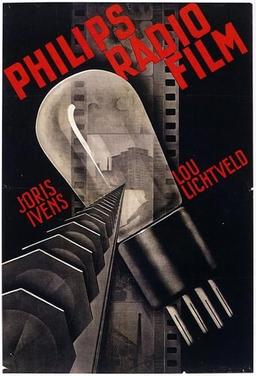
An industrial film which shows the operations inside the Philips Radio plant: In a mêlée of activity, glassblowers make delicate glass bulbs. Machinery assists the bulb manufacture. A virtuoso glassblower begins a more complex tube used in radio broadcasting; it is then turned, fired, and sculpted. Conveyors carry partially completed units. Workers perform their various specific assembly-line tasks. Cases are manufactured and machined, wire harnesses are assembled, loudspeakers are produced. As radios near completion, they are run through a series of tests. Engineers and draughtsmen define future developments. In a closing stop-motion sequence, in a style reminiscent of Norman McLaren, a group of loudspeakers performs a playful dance. The film overall is a poetic depiction of an industrial process.
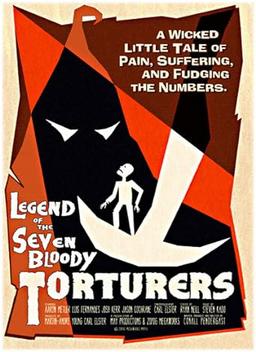
What happens when the guy from head office discovers that there are only 6 torturers? They quickly discover that even torturers have a chain of command.

With Western Electric Vacuum Tubes in the starring roles, this film tells the fascinating story of tube development from the first crude bulbs of Edison and De Forest to the powerful and efficient tubes in use today, and shows the prominent part they play in radio, long-distance telephony, public address systems, sound motion pictures and the phonograph.

Made for a general audience, the film provides a clear and concise presentation on technological developments that began with the vacuum tube, showing different types of transistors and explaining the significance in their ultimate replacement of tubes.

A short documentary detailing the development of television as well as describing promises regarding its presence in postwar America.
Bottle of Magic traces the development of the electron tube from the pioneering efforts of such scientists as Lee de Forest, Thomas Edison, and John Fleming, then demonstrates the role the tube played in our society.
No More results found.