Movies and TvShows featuring "unfinished-film" theme.


The Other Side of the Wind is a satirical film that explores the last day of a filmmaker's life. The story takes place at a birthday party where the filmmaker's unfinished film is being screened. As the night unfolds, various characters from the film industry interact and confront the filmmaker's controversial legacy. The film delves into themes of aging, power, and the complexities of the filmmaking industry.

A documentary that brings to light the vision that director George A. Romero had for an adaptation of Resident Evil, using newly filmed interviews with those who were there, and unravels the secrets behind why it was never produced.

Death of his wife's pet poodle and a threatening movie producer create a world of trouble for a middle-aged B-movie mogul. He hires two psychopathic goons to take care of it, which only creates more trouble and attracts the cops.

In 'Doctor Who: Shada', the Doctor and Romana find themselves trying to stop the evil Skagra from obtaining the Time Matrix, a powerful device that grants its user the ability to control time. As they embark on this mission, they must navigate through various thrilling adventure, dangerous encounters, and mind-bending puzzles.
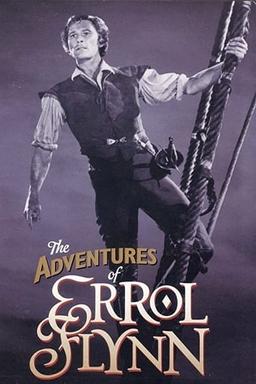
Follow the incredible journey of Errol Flynn, from his humble beginnings to becoming one of the biggest stars in Hollywood. Discover the scandals, rivalries, and adventures that shaped his life.

A hardware store owner takes his family on a Sunday picnic by the river, where he reminisces about a lost love. The day takes a romantic turn when his daughter's fiance seduces their servant girl.
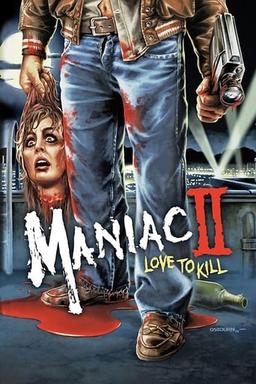
A children's television host solves all kids problems. Shot as a promo reel for a sequel to Maniac (1980) but was cut short due to the untimely death of actor Joe Spinell.

Koike Minami returns from USA to Japan to accomplish her deceased twin sister's wish to win a competition and sing with Avril Lavigne on the stage in a concert in Tokyo.

A beautiful young soap opera star is stalked and terrorized by an obsessive admirer.

After surviving a traumatic experience at a summer camp, a young woman returns years later to seek revenge on those who wronged her.

The Adventures of Pinocchio (Italian: Le avventure di Pinocchio) was an Italian animated film directed by Raoul Verdini and Umberto Spano. Created and produced by Cartoni Animati Italiani Roma (CAIR) and distributed by De Vecchi, this cartoon was based on the famous children's book The Adventures of Pinocchio by Carlo Collodi. The film was intended to be the first animated feature film from Italy, but was never completed; if the film was finished, it also would have been the first cel animated feature film ever, beating Snow White and the Seven Dwarfs, and the first animated film adaptation based on the novel of the same name, It is now considered lost: only the original script and a couple of still frames are all that survived of the film. Currently considered a lost film.
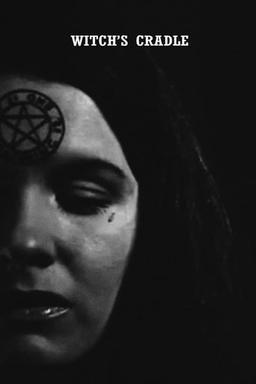
In the unfinished avant-garde short film 'Witch's Cradle', a mysterious woman explores the realms of witchcraft and dark fantasy, using abstract and surreal imagery. Through a series of no-dialogue scenes, the film portrays the supernatural elements of witchcraft and showcases modern art techniques.

In 1993, Sam Fuller takes Jim Jarmusch on a trip into Brazil's Mato Grosso, up the River Araguaia to the village of Santa Isabel Do Morro, where 40 years before, Zanuck had sent Fuller to scout a location and write a script for a movie based on a tigrero, a jaguar hunter. Sam hopes to find people who remember him, and he takes film he shot in 1954. He's Rip Van Winkle, and, indeed, a great deal changed in the village. There are televisions, watches, and brick houses. But, the same Karajá culture awaits as well. He gathers the villagers to show his old film footage, and people recognize friends and relatives, thanking Fuller for momentarily bringing them back to life.
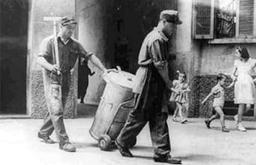
In the spring of 1970, between the African Orestiade and The Decameron, Pasolini shot a film for which he wrote a commentary in verses but never finished editing. The film was born as a typical Pasolini intervention: filming the strike of the garbage collectors in Rome, who at the time worked in dramatic health conditions, and filming the humility of their daily work, amidst the waste and scraps of society, in the squares and in the streets. Pasolini also filmed the faces of garbage collectors engaged in claims discussions and the result was an extraordinary anthropological picture of an unknown humanity.
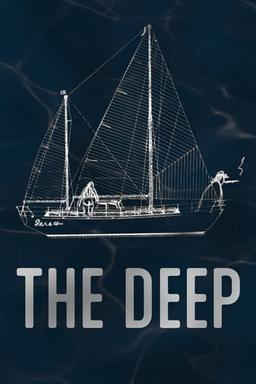
A couple's honeymoon trip aboard a yacht leads to a claustrophobic drama when another vessel runs into their voyage, apparently drifting. Shot in a piecemeal fashion between 1966 and 1969 and plagued with production problems, this film never completed principal photography and never entered post-production. The original negatives are now considered to be lost, and the film only exists in two incomplete workprint versions (one color and one black-and-white), which have received isolated public screenings since 2007.

An unfinished and unreleased Swedish-French comedy-drama about a Circus clown imprisoned in a Nazi concentration camp.

Welles had a lifelong interest in magic, having been taught his first magic tricks by Harry Houdini in the 1920s, when Welles was still a boy. In this unfinished television special, filmed between 1976 and 1985, Welles performs various magic tricks for the camera, promising that no trick photography is used.

Que Viva Mexico! is a documentary film that depicts the social differences, love, animal abuse, uprising, and other aspects of the Mexican Revolution. The film explores themes of exploitation, socialism, matriarchy, and the struggles faced by the Mexican people. It showcases various cultural elements such as bullfighting, fiestas, and religious practices. The film remains unfinished but provides a glimpse into the complexities of Mexican society.

HWY: An American Pastoral is a film by Jim Morrison, Frank Lisciandro, Paul Ferrara, and Babe Hill and stars Morrison as a hitchhiker. It is a 50-minute experimental film in Direct Cinema style. It was shot during the spring and summer of 1969 in the Mojave Desert and in Los Angeles.

The film revolves around the concept of soap opera. Its structure is based on the assumption that Chilean reality does not exist, but rather is an ensemble of soap operas.