Movies and TvShows featuring "ukrainian-history" theme.
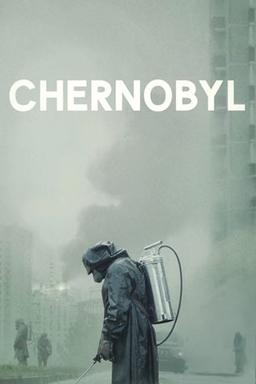
Chernobyl is a TV mini-series based on the true events of the catastrophic nuclear accident that occurred at the Chernobyl Nuclear Power Plant in Pripyat, Ukraine in April 1986. The series portrays the events leading up to the explosion, the aftermath, and the subsequent government cover-up. It highlights the devastating impact of the accident, including the radiation poisoning of thousands of people and the long-lasting effects on the environment. Through an ensemble cast, Chernobyl explores the political, social, and human consequences of the disaster.
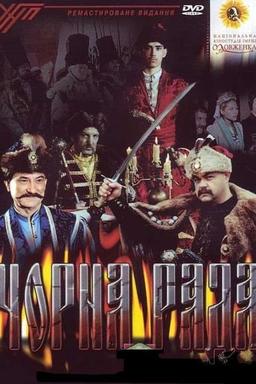
The Black Council gives a vivid picture of the different levels of society in seventeenth-century Ukraine. The main theme is the need for people to be motivated by high ideals as they engage in the struggle of truth with injustice.
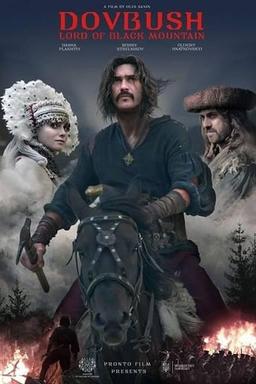
In the Carpathian mountains during the eighteenth century, the Hutsuls face foreign rule and dark times. The Dovbush brothers, Oleksa and his money-oriented sibling, become mountain outlaws known as opryshkos. As the Carpathians are plagued with uprisings, Oleksa fights for his people while the aristocracy attempts to kill him and destroy his legend. However, Dovbush outsmarts them. When the lords attack his love for his childhood sweetheart, Marichka, they hope to weaken him. The story follows the hero's struggles and enduring strength as he leads his people towards freedom.

Lobanovskiy Forever is a biographical documentary that chronicles the life and achievements of Valeriy Lobanovskiy, one of the greatest football coaches in history. From his successful tenure at Dynamo Kyiv in Ukraine to leading the Soviet national team, the film explores the genius and impact of Lobanovskiy's coaching methods.
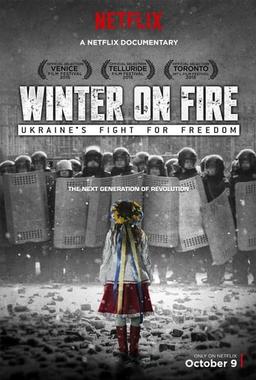
Winter on Fire: Ukraine's Fight for Freedom(2015)
 89%Tomatometer
Winter on Fire: Ukraine's Fight for Freedom is a gripping documentary that chronicles the Ukrainian Revolution of 2013-2014, when thousands of protesters took to the streets of Kyiv to demand political freedom and an end to corruption. The film explores the violent clashes between the protesters and the police, capturing the bravery and determination of the Ukrainian people in their fight for freedom.

As Carpathian legend has it, Oleksa Dovbush was a heroic outlaw with excellent fighting skills and a gift to predict the future. He was left an orphan as a small boy after a local lord murdered Oleksa's mother. After spending his childhood in exile in the mountains, he returned as a grown man to avenge his mother's death. Oleksa gathered followers to begin a crusade against the lord, but destiny made other plans for him.

“Slovo” House. Unfinished Novel is a gripping drama set in 1930s Ukraine during the period of Soviet repressions. The story revolves around the lives of individuals caught in the turbulent political landscape of the time, as they navigate the challenges of survival and resistance. With a backdrop of Ukrainian culture and its rich history, the film exposes the harsh realities of political repression and the resilience of the human spirit.

Oleksa Dovbush is a legendary folk hero in Ukraine known for his rebellion against the ruling powers. Set in the 18th century, the film portrays Dovbush's fight for justice and freedom in the Carpathian Mountains. With his loyal group of supporters, Dovbush becomes a symbol of hope for the Ukrainian people in their struggle against oppression.

Follow Zelensky’s journey from a young actor and entertainer to one of the most recognisable leaders on the planet, presiding over a nation at war with Putin’s Russia.
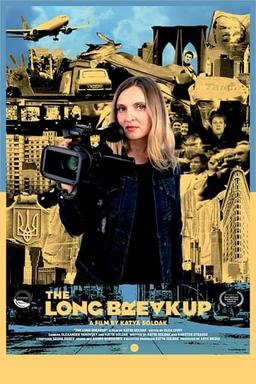
Ukrainian journalist Katya Soldak, currently living in New York City and working for Forbes magazine, chronicles Ukraine's history: its strong ties to Russia for centuries; how it broke away from the USSR and began to walk alone; the Orange Revolution, the Maidan Revolution, the Crimea annexation, the Donbass War; all through the eyes of her family and friends settled in Kharkiv, a large Ukrainian city located just eighteen miles from the Russian border.
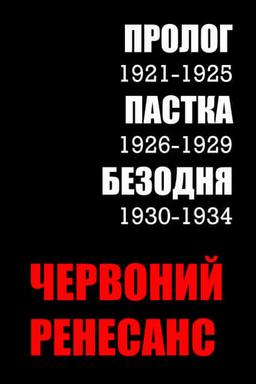
During the period of the 20-30s of the twentieth century, Ukrainian culture experienced its formation, flourishing and tragic finale. The three-part documentary tells about the shares of Vladimir Sosyura, Pavel Ticini, Nikolai Fitilev, Les Kurbas, Nikolai Kulish, Mikhail Boychuk and Alexander Dovzhenko. The film uses a chronicle of that time, the authors visited the places where the events of this dark era for Ukraine unfolded, and in numerous museums that have preserved materials, papers and evidence of those years.
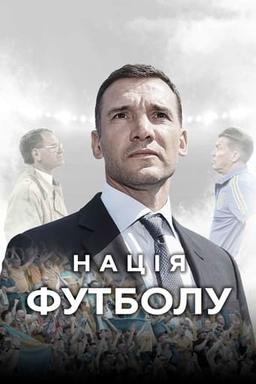
The documentary tells about the birth, history of formation and development of the National Football Team of Ukraine in the period from 1992 to 2022.
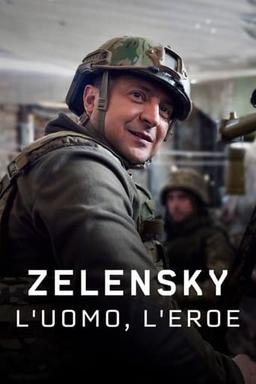
The rise of the comedian, actor and entertainer who became the improbable wartime leader. Exploring the man behind the series of game changing social media and TV appearances which have encapsulated the defiant response of a nation.
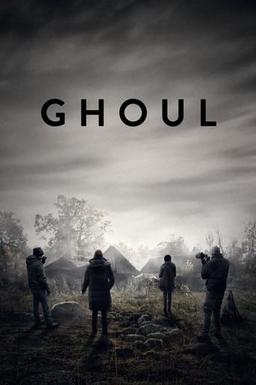
In Ghoul, a group of documentarists explores the horrifying history of a cannibalistic mass murderer in Ukraine. The film is presented as a found-footage-style pseudo-documentary, delving into the dark and sinister secrets of the past.

In the XIth century Kyivan Rus' (Ukraine-Rus') reached its zenith under the reign of Yaroslav. He established enduring ties with many of the ruling European dynasties, strengthened the borders of Rus' and tried to free it from the influence of the Byzantine Empire. Since 988 the church of Rus' had been autonomous, apart from the right of Constantinople to appoint the Metropolitan.
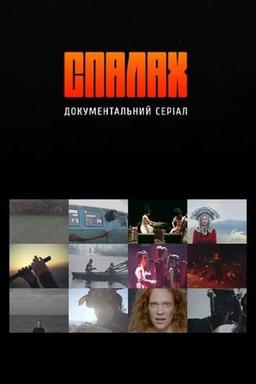
A series about the evolution of various spheres of Ukrainian culture and its modern heroes. This is the result of 100+ interviews and stories about how whole layers of culture were created in Ukraine. It is an attempt to capture the outbreak that is happening today and that we are waiting for tomorrow, to understand the strengths and weaknesses, identify trends and find answers to questions that concern. Each episode reveals an important topic: from the phenomenon of Ukrainian pop music and clipmaking to movies, comedy, street art and local clothing brands.

The film tells the story of Ivan Mazeppa, a Ukrainian page at the Polish court who has an affair with the young wife of a much older count. Outraged when he learns of the incident, the nobleman has Mazeppa tied naked to a wild horse which is then released into the wilderness. The bulk of the poem describes the long hazardous journey during which Mazeppa almost dies twice but ultimately survives and returns to his native Ukraine.
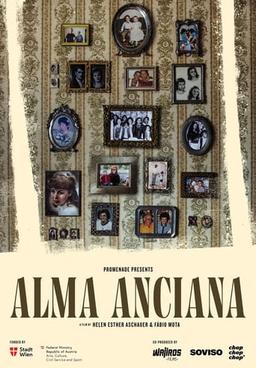
Three juxtaposing stories taking place in Portugal, Austria and Cuba create an intimate and poetic portrait of the daily lives and struggles of the elderly in an unstable world, seen through the eyes of their grandchildren.
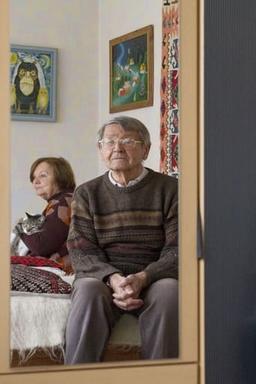
Ivan Dziuba, a literary critic and public figure, reflects on the lost illusions and unfulfilled promises of his generation. He questions why so few dreams came true and shares his thoughts with his wife Martha, who has been his guardian angel throughout their life together. Together, they are seen as the conscience of the nation.

The story of trust and its absence against the background of events unfolding in Eastern Ukraine in early 2014. The main topic is revealed through the prism of the Luhansk border base, whose fighters the separatists and Russian special services tried unsuccessfully force to betray their country.