Movies and TvShows featuring "the-holocaust" theme.

Auschwitz: The Nazis and the Final Solution is a TV show that explores the atrocities committed by the Nazis at Auschwitz concentration camp during World War Two. It delves into the history of the camp, its role in the Holocaust, and the experiences of the victims. The show investigates the systematic genocide carried out by the Nazis, including the use of gas chambers and incinerators to exterminate millions of Jews and others deemed undesirable. It also examines the role of the Schutzstaffel (SS) and the German occupation of Poland.

Through riveting firsthand testimony of witnesses and survivors who as children endured persecution, violence and flight as their families tried to escape Hitler, this series delves deeply into the tragic human consequences of public indifference, bureaucratic red tape and restrictive quota laws in America.

With the aid of rare archives, this film retraces the bloody history of the SS, some of whose members are still alive and have accepted to speak.
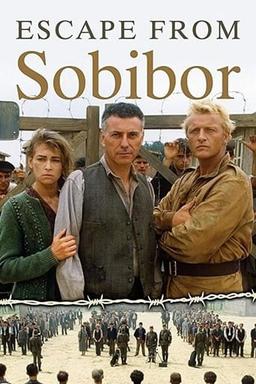
During World War II, a group of Jewish prisoners in the Sobibor death camp plan a daring escape, facing the brutality and horrors of the Nazi regime.
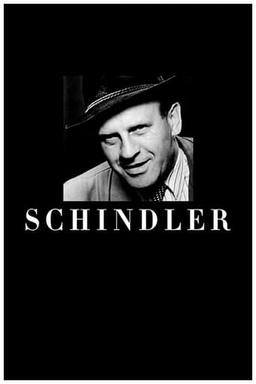
Schindler (1983) is a powerful documentary that tells the story of Oskar Schindler, a businessman who became a hero by saving the lives of over 1,000 Jews during the Holocaust. Set in Krakow, Poland, the film showcases Schindler's remarkable journey as he risks his own life to protect others from the Nazi regime. With its emotionally charged narrative and historical significance, Schindler is a must-watch for anyone interested in World War II and the Holocaust.
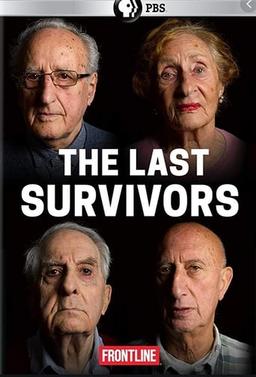
The Last Survivors is a gripping documentary that follows the journey of a Holocaust survivor as they revisit their hometown and the Auschwitz concentration camp. Through their memories and contemplation, the film provides a profound insight into their childhood experiences and the atrocities of the Holocaust. As the survivor reflects on their life, the documentary delves into the topic of the Holocaust with sensitivity and depth.

An account of Black American soldiers in World War II who combated racism in the segregated military and on the home front.

A man endeavors to collect memories of his grandparents who died in a concentration camp during the Holocaust.

Confronting Holocaust Denial With David Baddiel(2020)
 100%Tomatometer
The Holocaust is one of the most documented, witnessed and written about events in history, so why is Holocaust denial back on the political agenda? What has happened in the 75 years since the liberation of the camps to have so skewed the picture? And, if it matters, why does it matter?

Butterflies in Berlin: Diary of a Soul Split in Two(2019)
Butterflies in Berlin: Diary of a Soul Split in Two is a powerful animated short film that explores the journey of a soul torn between their gender identity and the historical trauma of the Holocaust in Berlin. Through vivid animation and emotionally charged narration, the film delves into the profound impact of the Holocaust on the LGBTQ+ community, highlighting the struggles and resilience of individuals who continue to navigate the complexities of their identity amidst the haunting echoes of the past.

A powerful documentary about the Holocaust, focusing on the stories of survivors and their resilience. It explores the unimaginable horrors they endured and the strength they found to rebuild their lives after the war.
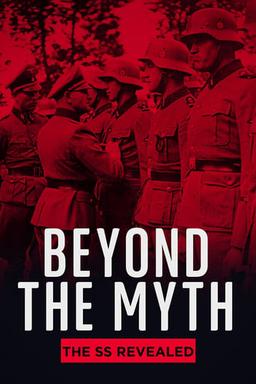
The SS was the Nazi state’s instrument of domination and oppression, responsible for the intelligence services and the police. The SS committed a horrific range of atrocities, including the Holocaust, the persecution of political opponents, and brutal war crimes. Millions of people were victims of the Schutzstaffel, and many of the perpetrators were unrepentant to the end. This six-part documentary provides a comprehensive overview of the SS, describing how a small group of thugs rose to become the most feared organ in the Nazi state. With the help of international experts, the film examines common myths about the organisation. Interviews with eyewitnesses and unapologetic perpetrators take us closer to the psyche of the SS supporters in an attempt to make the inconceivable comprehensible.
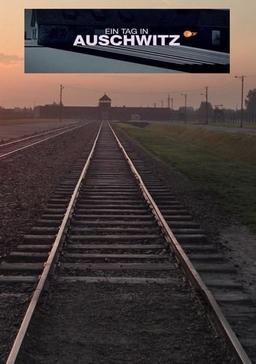
Today, the word "Auschwitz" is a synonym for the Holocaust. Thousands of Jews died there every day. With the help of some acted scenes, photos and graphics, the film tells of a day in May 1944. The starting point is a unique document: a photo album created by the SS perpetrators themselves. Almost all of the photos were taken at the end of May 1944, in just a few days. They show the cruel routine, the arrival of the victims, their "selection" on the ramp, the robbery of their property and the transformation of all those who were not immediately killed, into shaved, uniformed slaves. One survivor is Irina Weiss. On a photo she recognizes her little brothers and her mother - waiting unsuspectingly near the crematorium. The SS photographers captured all of this. Their identity is known today: one of them was Bernhard Walter, a "Stabsscharführer" who lived with his wife and three children near the extermination camp.

Alderney, a tiny island in the English Channel, is the site of one of the darkest and most mysterious chapters in World War II. Given the sinister codename 'Adolf Island', Alderney became a preoccupation for Hitler and was transformed into one of the most heavily fortified places on earth. Away from prying eyes, the Nazis also established a concentration camp, the only one on British soil, amid the idyllic scenery of woodlands and silver sand beaches. But how many people were murdered there and why were the Nazi killers never brought to justice? Over two 60-minute episodes, Hitler's British Island will reveal the startling death toll - far in excess of the number recorded by wartime investigators. And following painstaking research by expert historians, the show will reveal how Nazi war criminals were allowed to go free, with the reason covered up for 80 years.

An analysis of the life of German officer and physician Josef Mengele, exploring his youth and studies, his adherence to Nazism, the inhumane experiments conducted at Auschwitz, and the connection between Nazism and the German academic system.

Their names were Herta, Liesel, Liselotte and Hildegard: Hundreds of thousands of women, including secretaries, nurses, housewives and concentration camp guards, put themselves in the service of Nazi ideology in the German-occupied areas from 1939 onwards. The women were not passive witnesses to a genocide committed by men, but active accomplices and murderers. In the history of the Second World War, the role of women was often only marginally recognized. Around 500,000 of them were active in the areas occupied by the Wehrmacht from 1939 - where the Holocaust was actually implemented.

The incredible story of Sally Noach, a Dutch Jewish carpet salesman who rescued hundreds of Jews from Vichy France by forging identification papers and arranging their escape. Equally intriguing is the controversy still surrounding Noach’s exploits: lingering rumours about espionage and black-market profiteering. Finally, with assistance from the filmmaker, researchers and living witnesses whose families he saved, Noach’s children attempt to solve the puzzle.

World War II revisionist film that claims Jews deliberately caused both World Wars--and that Hitler was only trying to save Germany from the Jews--as part of a plot to found the nation of Israel.

Prisoner Number A26188: Henia Bryer is a documentary film that tells the powerful story of Henia Bryer, a Holocaust survivor who endured unimaginable hardships in Nazi concentration camps. Through interviews, archival footage, and personal accounts, the film offers a profound insight into the harrowing experiences faced by Henia and other prisoners, as well as their resilience and determination to survive.

Voices Across the Divide is a powerful documentary and oral history project exploring the Israeli/Palestinian conflict through rarely heard personal stories. Narrated by Alice Rothchild, an American Jew raised on the tragedies of the Holocaust and the dream of a Jewish homeland in Israel, the film follows her personal journey as she begins to understand the Palestinian narrative, while exploring the Palestinian experience of loss, occupation, statelessness, and immigration to the US.
No More results found.