Movies and TvShows featuring "sudan" theme.


The Good Lie follows the journey of four Sudanese refugees who are given the opportunity to resettle in Kansas City, USA. They must adapt to a new culture and overcome the challenges they face, including culture shock and the trauma of their past. Through self-sacrifice and perseverance, they form a strong bond and find hope for a better future.

In the 1980s, a group of Mossad agents set up a fake diving resort as a cover to secretly evacuate Jewish Ethiopian refugees from Sudan to Israel. The operation is filled with danger and challenges as they navigate through hostile territories and face corruption. Based on a true story.

In 1884 Sudan, a young British officer resigns his post when he learns of his regiment's plans for an expedition against the rebels. He receives a white feather as a symbol of cowardice from his fiancée and friends. Determined to redeem himself, he disguises himself as an Arab and joins the rebels to fight against the British Empire. Through his journey, he faces the horrors of war, forms new friendships, and learns the true meaning of bravery and loyalty.
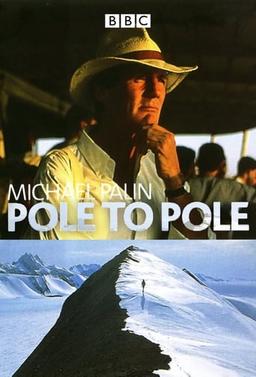
Join Michael Palin on his epic journey from the North Pole to the South Pole, exploring diverse cultures, breathtaking landscapes, and encountering unique experiences.
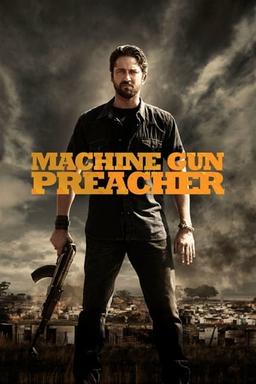
Machine Gun Preacher follows the true story of Sam Childers, a former biker and drug dealer who turns his life around and becomes a preacher. He travels to Sudan and witnesses the atrocities committed by the Lord's Resistance Army. Determined to make a difference, Childers starts a mission to rescue children who have been forced to become soldiers, using his machine gun to protect them. As he fights against the LRA and faces personal challenges, Childers finds redemption and a new purpose in life.
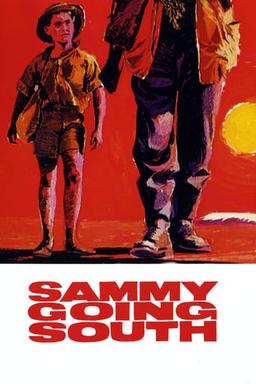
Sammy is a young boy living in England who discovers that he is actually from South Africa. Determined to find his family, Sammy embarks on a journey across Africa, facing various challenges and adventures along the way.

In a Better World follows the lives of two families, one in Denmark and another in an African refugee camp, as they navigate through themes of violence, revenge, and forgiveness. The story explores the consequences of violence and how it affects relationships and morality. It delves into topics such as bullying, war zones, and the struggles faced by refugees. Through the intertwined stories of the characters, the movie raises questions about the nature of human behavior and the choices we make.
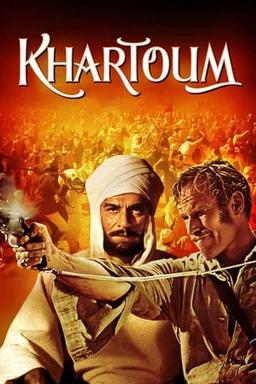
In 1883, a British general leads an invading army to Khartoum, Sudan, facing resistance from the Sudanese forces. The film depicts the epic battle and the last stand of the British forces.

Architects of Denial is a documentary film that exposes the horrors of the Armenian Genocide, the systematic mass murder of Armenians by the Ottoman Empire during World War I. The film examines the denial of this genocide by the Turkish government and highlights the importance of recognizing and acknowledging historical atrocities.
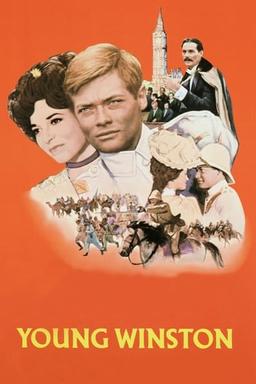
Young Winston follows the story of a young Winston Churchill as he navigates through his childhood, boarding school years, and his experiences as a war correspondent during the Boer War in South Africa. The film explores his complex relationship with his parents, his ambition to become a politician, and his first taste of the horrors of war.

People on Sunday is a semi-documentary silent film that follows a group of young Berliners as they spend a day together in various outdoor locations. The film delves into their relationships, conflicts, and flirtations, capturing the essence of a carefree and youthful lifestyle.

Maryan is a fisherman who falls in love with a girl named Panimalar. However, their love story takes an unexpected turn when Maryan is taken hostage by militants. The movie explores Maryan's struggle for survival and his determination to be reunited with his love.
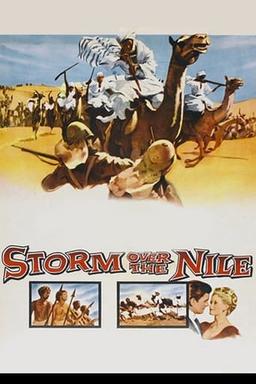
Storm Over the Nile is a movie set in 1885 Sudan during a rebellion against British rule. A British officer goes undercover in an incognito mission to infiltrate the rebels, but his loyalty is questioned and he must prove himself. Alongside his comrades, he faces battles, massacres, and treacherous situations. The movie explores themes of honor, friendship, and sacrifice amidst the backdrop of the war-torn desert.

In 19th-century Sudan, an orphan embarks on a perilous journey with a giraffe named Zarafa. They encounter various obstacles and face the challenges of slavery, escape, and finding their way home. Along the way, they form a bond and learn valuable life lessons.

In a small village in Sudan, a newborn baby boy is cursed to die at the age of twenty. As he grows up, he navigates the challenges of coming-of-age while constantly haunted by the prospect of his imminent death. His close relationship with his mother and the influence of his Islamic upbringing shape his perspective on life and his determination to defy fate.

Attack on Darfur is a movie that depicts the brutal genocide and war crimes that occurred in Darfur, Sudan. It showcases the cruelty and tragedy of the conflict, including mass murders, rapes, and massacres. The story follows a reporter who risks his life to document the atrocities and raise awareness. The film also explores the international response and the role of the African Union.

In 19th century Sudan, a British officer is branded a coward for resigning his post and receiving four white feathers as a symbol of his supposed cowardice. Determined to prove himself, he disguises himself as an Arab and embarks on a dangerous journey to redeem his honor.
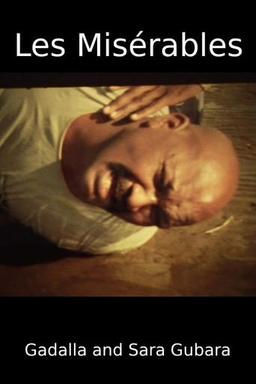
For his first feature film in many years, the legendary filmmaker from Sudan has chosen to adapt Victor Hugo's classic novel Les Miserables for an African audience in the Arab language. The esteemed actor Gamal Hassan assumes the character of Jean Valjean from who is a man driven to crime and nefarious activities after circumstances have driven him in this direction. However, with the help of others he manages an incredible transformation. Gubara clearly saw this narrative as a significant parable concerning the will to change perceived as crucial for the future of Sudan.
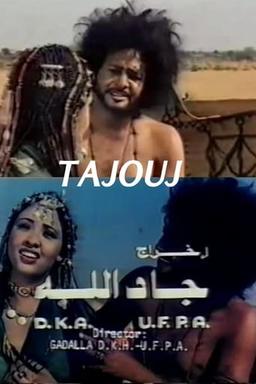
Beginning of the 20th century in the east of Sudan. Tajouj is the beautiful cousin of a young tribesman who falls in love with her and proclaims his love out loud in a song. However, the traditions of his tribe forbid such love, and his uncle refuses his request to marry Tajouj. But after the young man leaves the village and declares his remorse, the marriage is finally allowed after all. In the meantime, however, another man has expressed interest in Tajouj. A story full of jealousy ensues, which ends in tragedy.
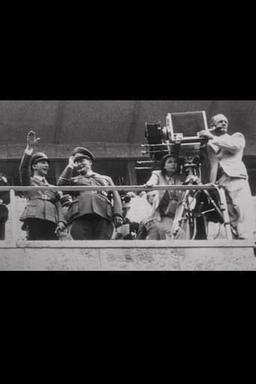
Explores Leni Riefenstahl's artistic legacy and her complex ties to the Nazi regime, juxtaposing her self-portrayal with evidence suggesting awareness of the regime's atrocities.