Movies and TvShows featuring "stolen-generation" theme.
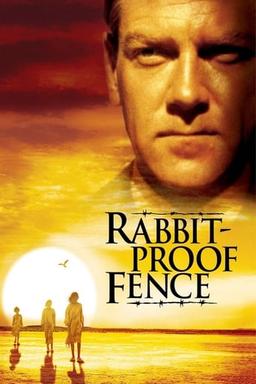

In 1931, three Aboriginal girls escape from an Australian settlement, traversing the harsh Outback in order to find their way home. Based on a true story, the film explores themes of identity, cultural assimilation, and the strength of family bonds.

Servant or Slave (2016) is a powerful documentary that exposes the dark history of indigenous Australian women who were forcibly enslaved and had their children taken from them. The film sheds light on the long-lasting impact of these injustices and the ongoing fight for justice and recognition.
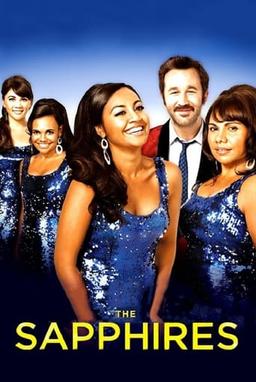
In 1968, four Aboriginal sisters from a remote mission in Australia form a girl group and travel to Vietnam to entertain troops during the war. They face challenges and racism but ultimately create a unique bond with the soldiers and the audience.
She Who Must Be Loved is a documentary film that tells the life story of an Aboriginal woman who became a groundbreaking photographer and film pioneer. The film explores her struggle for recognition and her impact on the media landscape while also exploring themes of Aboriginal history, social customs, and the stolen generation.
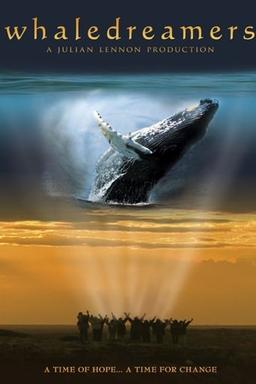
"Whaledreamers" - the title alone evokes hypnotic visions of these most magnificent and ancient creatures. This visually stunning film offers an incredible glimpse into a rarely seen and scarcely understood tribal culture whose entire story of creation revolves around whales and has endured for centuries. The film passionately explores the connection between the subtle elegance of these “mothers of the sea” and ancient civilizations around the world whose culture and very existence is based on whales. Intertwining incredible underwater footage with ancient legend, whaledreamers examines the complex past and the possibly dire future of human civilization. Told with moving optimism and spiritual strength, it is a clarion call encouraging humanity’s reconnection to the profound beauty of the natural world and is an appeal to embrace all living beings thereby creating the unity and peace which the Earth itself can bring.
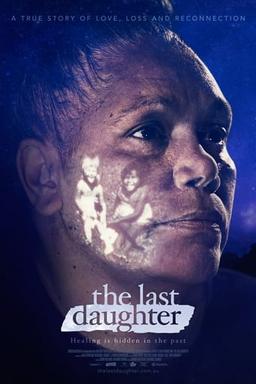
Brenda's first memories were of growing up in a loving white foster family, before she was suddenly taken away and returned to her Aboriginal family. Decades later, she feels disconnected from both halves of her life. But the traumas of her past do not lie quietly buried. So, she goes searching for the foster family with whom she had lost all contact. Along the way she uncovers long-buried secrets, government lies, and the possibility for deeper connections to family and culture. The Last Daughter is a documentary about Brenda's journey to unearth the truth about her past, and to reconcile the two sides of her family.

Colebrook Blackwood Reconciliation Park is where the Colebrook Training Home once stood. It is now a permanent memorial for the Aboriginal children of the “Stolen Generation” and their families.

Angels Gather Here’ follows Jacki Trapman’s journey back to her hometown of Brewarrina to celebrate her parents, Bill and Barbara’s 60th Wedding Anniversary. Going home is never easy for Jacki. Amidst the family celebrations she reflects on her life; her story symbolising the strength, dignity and resilience of many Aboriginal people in the face of adversity.
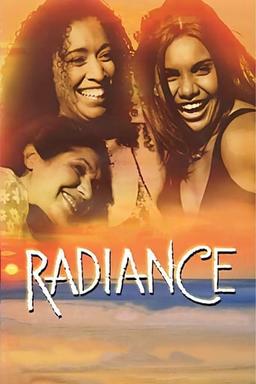
After the death of their mother, three estranged sisters return to their childhood home.
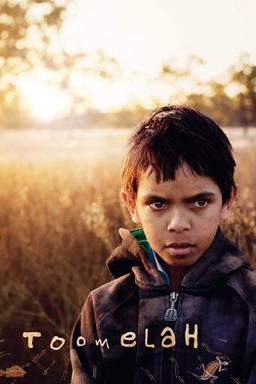
In a remote Aboriginal community, 10 year old Daniel yearns to be a gangster, like the male role models in his life. Skipping school, getting into fights and running drugs for Linden, who leads the main gang in town.

A film about the Australian government's practice of removing Aboriginal children from their families.

Two Laws is a documentary that delves into the historical and contemporary treatment of Aboriginal tribes in Australia. It examines the impact of Australian law on the indigenous population, tackling issues such as racism, land rights, welfare, and the Stolen Generation. The film uses storytelling, reenactments, and interviews to shed light on the struggles faced by the Aboriginal community.

The Australian Eye is a thought-provoking documentary that delves into the issues of education, racism, and diversity training in Australia. Through interviews with experts and personal stories, it sheds light on the challenges faced by Australian Aboriginal communities and the efforts being made towards building a more inclusive society.

Between 1924 to 1970, Kinchela Boys Home in Kempsey, New South Wales, saw an estimated 400 to 600 Aboriginal children exposed to routine acts of cultural genocide and remains one of Australia’s most notorious institutions of the Stolen Generations. After being stolen from their families, country, and community, children were stripped of their names, given numbers, and subjected to ‘reprogramming’ and strict regimes of manual labour. We Were Just Little Boys is narrated by KBH survivors.

A young man at the end of his life is stalked by death, while this is happening, he expresses his doubts about existing or what are we?, why are we here?, and also abounds the questioning of why? we suffer and if that is what makes us human beings

The stories in The Habits of New Norcia are told by former Western Australian Aboriginal child 'inmates' of the New Norcia Benedictine Mission who were separated from their families in the 1940s, 50s and 60s and confined in this "orphanage without orphans". In recent decades the New Norcia Monastery has been packaged as one of the State's leading cultural tourist attractions. "A unique blend of Spanish architecture, European art treasures and pioneer history," "Monks, Music & Mystery," "New Norcia, Australia's only monastic town," the brochures announce. Aboriginal testimony in the film challenges this revised and sanitised history. The documentary provides damming evidence of the continuing violence of the Mission against its victims by deliberate omission of their experience in the New Norcia museum, guided tours, art gallery and promotions — an omission that represents a cruel and wounding cover-up.
No More results found.