Movies and TvShows featuring "stigma" theme.

Stigma of the Wind follows the story of Kazuma Yagami, a young man with the ability to control the wind. He returns to his hometown where he becomes involved in a series of supernatural incidents. Kazuma must navigate a world filled with magic, superpowers, and a dark conspiracy while discovering the truth about his own past.

In a world where magic is utilized through the use of special writing implements, a young mage named Ryner Lute is tasked with finding the relics of a powerful hero. However, as he embarks on this dangerous journey, he uncovers dark secrets about his own past and the true nature of the relics.

The Lost Honour of Christopher Jefferies is a gripping crime drama based on the true story of a schoolteacher wrongfully accused of murder. Jefferies faces the challenges of media coverage, police investigation, and the stigma of being an accused murderer. The mini-series explores the impact on his life as a schoolteacher and landlord while he fights to clear his name.

A solitary young woman and a lonely widow make a tentative connection as a pile of fake money brings trouble to their lives and newcomers to their town.

Waiting for the Sun (2017) is a touching documentary that sheds light on the lives of children living in a Chinese orphanage. It explores the challenges they face and the stigma surrounding their circumstances. With a focus on human interest, the film showcases the resilience and hope of these young individuals.

The Story of Skinhead is a documentary that delves into the origins, influences, and evolution of the skinhead subculture, tracing its roots from the working-class youth of 1960s England to its manifestation as a symbol of racial tensions and political extremism.


The life of Prince John, youngest child of Britain's King George V and Queen Mary, who died at the age of 13 in 1919.

No Letting Go is a drama film based on a true story about a teenager named Timothy and his family's struggles to come to terms with his mental illness. The film explores themes of stigma, bipolar disorder, and the impact of mental health on family relationships. It is a heartfelt coming-of-age story that highlights the challenges faced by individuals and families dealing with mental illness.
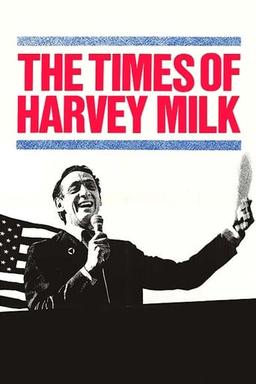
The Times of Harvey Milk is a powerful documentary that follows the life and political career of Harvey Milk, the openly gay politician who became a symbol of hope and activism for the LGBTQ+ community. The film delves into Milk's rise to political prominence in San Francisco, his fight for gay rights, and the tragic events surrounding his assassination.
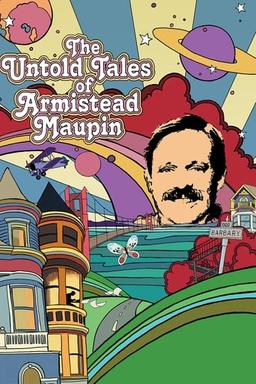
The film delves into Armistead Maupin's journey as a groundbreaking gay writer and his struggles against censorship and homophobia in the American South. It highlights his iconic 'Tales of the City' series and his personal experiences as part of the LGBTQ+ community during the cultural and political shifts of the 1970s.

Surrounded by tensions and secrets, a teenage boy searches for validation and navigates life with a dysfunctional family following an HIV diagnosis.

In Suburbia (1983), a group of disaffected youth living in suburban Los Angeles find solace and a sense of belonging within the punk rock subculture of the 1980s. As they navigate the challenges of a dysfunctional family, blue-collar jobs, and societal rejection, they seek acceptance and rebellion through punk music, graffiti, and squatter lifestyles. Their friendships are tested as they confront issues of identity, conformity, and the consequences of their choices.

For My Sister is a touching movie that tells the story of a young woman struggling with mental illness and the pressure to conform to societal norms. With the support of her family, she embarks on a journey of self-discovery, breaking free from the stigma attached to her condition. Set in the vibrant city of Miami, Florida, this film explores the themes of depression, family relationships, and the importance of mental health.

Adult men grapple with social stigmas to pursue their passion for wrestling. Includes an in-depth look at wrestling homoeroticism and homophobia.
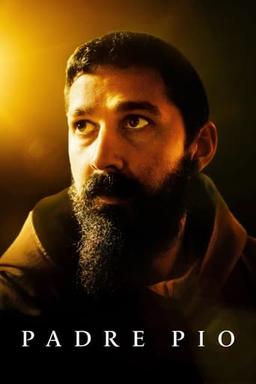
After the turmoil of WWI, Padre Pio arrives at San Giovanni Rotondo and encounters Satan who reveals himself as the instigator of the war and the sociopolitical problems of the village. Despite his illness, Padre Pio learns about the suffering of the poor and helps them through prayer. Satan attempts to prevent Padre Pio from assisting the people, influencing the decisions of the socialists and landowners. After a violent election and disillusionment with socialism, Padre Pio turns to God and receives the stigmata, breaking Satan's hold on the village.

The popular Caucasian-looking son (Richard Barthelmess) of a wealthy Chinese businessman lives away from his widowed father and passes as white, but experiences prejudice, rejection, insult, and heartache when the socialite (Constance Bennett) he loves learns of his heritage.

A young transgender woman's pursuit of self-acceptance in the face of societal barriers unfolds in the transformative backdrop of 1990s New York City.

In colonial America, a minister's love affair with a married woman leads to public humiliation and a life of guilt and shame. Set in the puritanical society of Boston, the story explores themes of sin, punishment, and redemption.
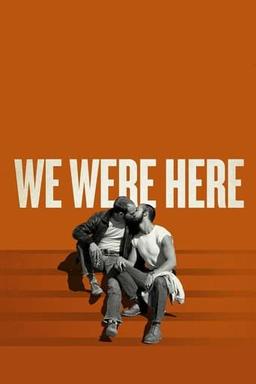
We Were Here is a powerful documentary that explores the devastating impact of the AIDS epidemic in San Francisco during the 1970s and 1980s. Through interviews with survivors, activists, and healthcare professionals, the film chronicles the experiences of individuals who lived through this tumultuous time, highlighting the resilience of the LGBTQ+ community and their fight for equality and acceptance.
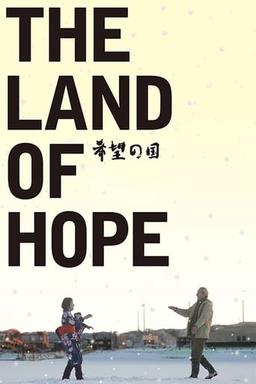
The Land of Hope tells the story of a Japanese family living in a rural area who are affected by a government-made disaster, leading to a state of emergency. They face difficulties in finding food, shelter, and safety, and have to navigate through a chaotic and dangerous environment. The movie explores themes of isolation, separation, and the human struggle for survival amidst a crisis.