Movies and TvShows featuring "stalinism" theme.
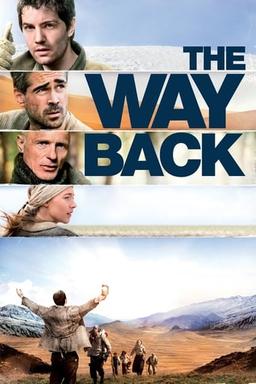

During World War II, Janusz, a young Polish officer, is imprisoned in a Siberian gulag. Along with a group of fellow prisoners, they plan an audacious escape and embark on a perilous journey across thousands of miles to reach India.

Mr. Jones is a movie based on a true story about a journalist who goes to Ukraine and exposes the devastating Holodomor famine. He uncovers the truth behind the Soviet regime's intentional starvation of millions of Ukrainians in the 1930s. Through his investigative reporting, he reveals the horrors of the famine and the government's efforts to cover it up.

Animal Farm is a satirical comedy-drama based on the novel by George Orwell. It tells the story of a group of animals who rebel against their human farmer and establish their own society. However, as time goes on, the pigs, who have taken on leadership roles, become corrupted by power and the farm descends into chaos.
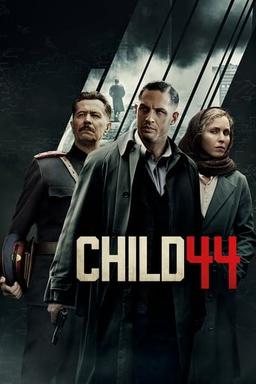
Set in 1950s Soviet Union, a disgraced Soviet policeman embarks on an undercover mission to investigate a series of child murders. As he delves deeper into the case, he uncovers a conspiracy that challenges everything he knows about the totalitarian regime.

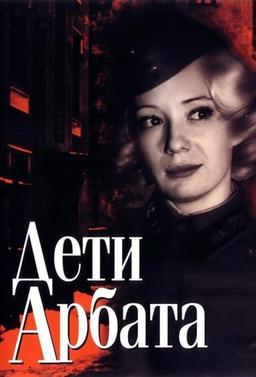
Children of the Arbat is a 16-part television serial based on the Children of the Arbat trilogy by Anatoly Rybakov. It aired on the Channel One network in Russia in 2004. The series closely follows the plot of Rybakov's trilogy. Set in the Soviet Union in the 1930s, it tells the story of Sasha Pankratov, a student and loyal Komsomol member from the Arbat neighborhood of Moscow who is unfairly exiled to Siberia. As his family and friends, including his love interest Varya Ivanova, grapple with Sasha's sudden detention and departure, the series shows the growing fear and paranoia that gripped Moscow in the years before the murder of Sergey Kirov and the start of Stalin's Great Purge.

Set in 1960s Poland, Ida follows the story of a young nun named Ida who embarks on a road trip to uncover her mysterious past. She teams up with her aunt, a former resistance fighter, and together they confront the dark secrets of their family's past. Through their journey, Ida is forced to confront the harsh realities of the post-World War Two era and grapple with issues of religion, identity, and memory.
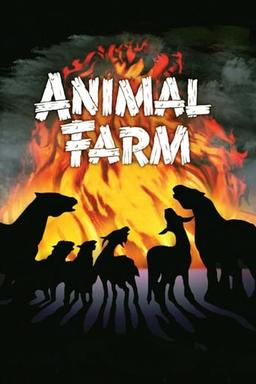
Animal Farm is an animated drama film based on the novel of the same name. It tells the story of a group of farm animals who overthrow their human farmer and establish their own society, but soon find themselves succumbing to the same corruption and abuses of power that they initially fought against.
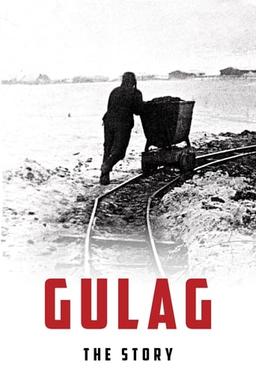
A major political, historical, human and economic fact of the 20th century, the Gulag, the extremely punitive Soviet concentration camp system, remains largely unknown.
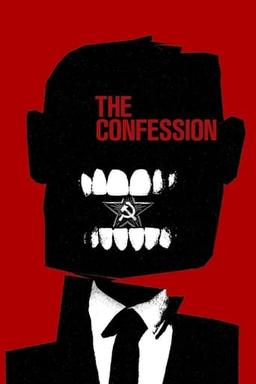
In 1970s Czechoslovakia, a political prisoner is subjected to mental and physical torture during a brutal interrogation. The story follows his struggle to maintain his sanity and resist the pressures to confess. Based on real-life events, this gripping drama explores themes of political repression, manipulation, and the resilience of the human spirit.

Apocalypse: Stalin is a documentary TV show that delves into the life of Joseph Stalin, the Russian revolutionary and political leader. It explores his rise to power, the policies of his despotic rule, and the impact of his regime on the Soviet Union. The show covers key events such as the Great Purge, the Russian Revolution, and the Great Patriotic War.
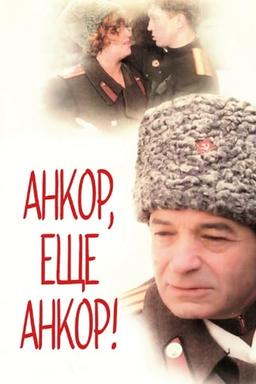
A drama set at the end of the Forties and the beginning of the Fifties. In a distant garrison town, life proceeds at a measured past. The officers drink and debauch, while the soldiers serve. Meanwhile accidentally unleashed human emotions are suffocated by the atmosphere of cruelty and hypocrisy.
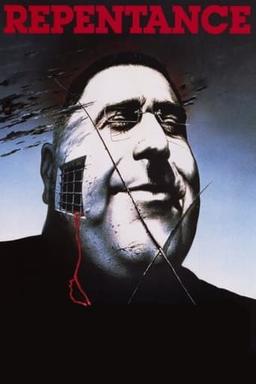
In Repentance, a small town in Soviet Georgia is haunted by the legacy of its former mayor. An old woman demands that the mayor's corpse be exhumed and put on trial for his crimes, leading to a surreal and darkly comedic exploration of guilt, religion, and political allegory.
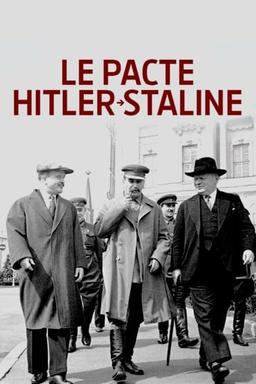
Explore the historical significance of the Hitler–Stalin Pact, a surprising alliance between two powerful leaders that shaped the course of World War II. Delve into the political motivations and consequences of this controversial agreement.

A young boy loses his innocence in a pre-perestroika Russian prison during the chaotic last months of the Khrushchev regime
Set in the 1930s during the Stalinist era in Russia, 'Burnt by the Sun' tells the story of a colonel who is betrayed by his old friend and former lover, leading to tragic consequences for him and his family. The film explores themes of love, repression, and the impact of a totalitarian state on the lives of its citizens. It is a powerful portrayal of the personal and political conflicts of the time.
Captain Volkonogov, a Soviet officer, finds himself in a dilemma during Stalin's purge in 1938. He navigates through a gloomy and nonlinear timeline as he tries to escape the clutches of the NKVD. The movie explores themes of anti-communism, singing, suicide, and the harsh realities of Stalinism.

Inspired by the woman who edited "Man with a Movie Camera" (1929), "Woman with an Editing Bench" reveals the personal impact of Stalin’s censorship of cinema on a woman navigating politics, bureaucracy and the impetuous outbursts of collaborators to create something beautiful despite the odds.
Stalin and the Katyn Massacre (2020) explores the horrifying Katyn Forest Massacre, where thousands of Polish officers were executed by the Soviet Union during World War II. The documentary delves into the political climate of the time and sheds light on the brutality and elimination tactics employed by the Soviet leader, Stalin.
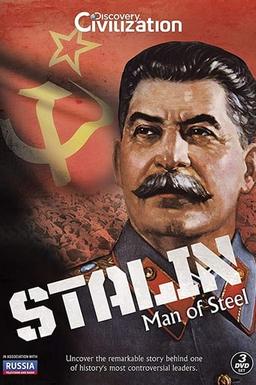
Emmy Awards nominee for "Outstanding Individual Achievement in a Craft: Research: Multi-faceted portrait of the man who succeeded Lenin as the head of the Soviet Union. With a captivating blend of period documents, newly-released information, newsreel and archival footage and interviews with experts, the program examines his rise to power, deconstructs the cult of personality that helped him maintain an iron grip over his vast empire, and analyzes the policies he introduced, including the deadly expansion of the notorious gulags where he banished so many of his countrymen to certain death.