Movies and TvShows featuring "spanish-transition" theme.


Drug Squad: Costa del Sol follows a group of undercover police officers in the 1970s. They navigate a world filled with corruption, drugs, and danger on the idyllic Costa del Sol in Spain. As they work to dismantle a powerful drug operation, they uncover a web of deceit and violence that threatens their lives and the lives of those they care about.

Alice enters a psychiatric ward to investigate a homicide and uncovers a web of lies, deception, and murder. As she navigates the facility and its troubled patients, she begins to suspect a former doctor as the killer. With the help of a fellow patient, she unravels the truth and exposes those responsible for the crimes.
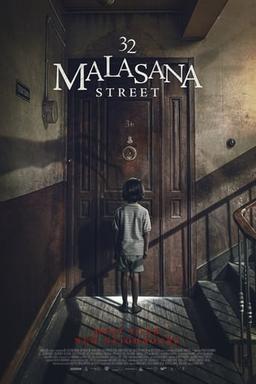

In 1976, a family moves into a haunted apartment on 32 Malasana Street in Madrid. They experience terrifying supernatural events and uncover dark secrets hidden in the basement. The husband and wife struggle to protect their children from the evil force inhabiting the apartment, while a ghostly presence targets the pregnant wife. As they investigate the history of the apartment, they discover a horrifying revelation that puts their lives in danger.


The story of 20-year-old lawyer Lola González Ruiz and her group of friends who challenged the Francoist dictatorship with the law at hand, from 1969 up to the Atocha killings in 1977.
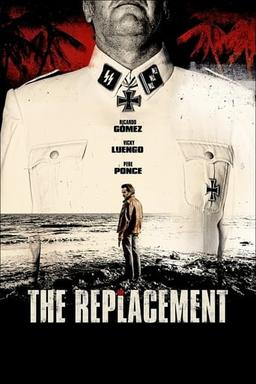
In post-dictatorship Spain, a police inspector and a Nazi hunter join forces to investigate a series of murders connected to a resort town. As they delve deeper into the case, they uncover a web of drug addiction, racism, and corruption. The story follows their relentless pursuit of justice, while also exploring the challenges faced by a woman doctor, a widow, and a young girl in a society still grappling with its dark past.
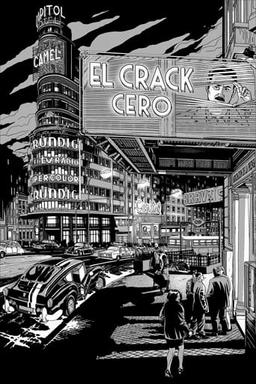
In 1970s Madrid, a noir detective named Taylor is hired to investigate a presumed suicide. As he delves deeper into the case, he uncovers a complex web of intrigue and a romantic subplot that complicates his mission.

Después de… Segunda parte: atado y bien atado(1983)
In the second part of the series, 'Después de… Segunda parte: atado y bien atado,' the documentary delves deep into the social and political implications of the Spanish transition. It focuses on the impact of the Franco regime and the challenges faced by social democracy. The film highlights the influence of the Communist Party and provides a comprehensive overview of Spanish history during the 1970s and 1980s.

Marina, 18, orphaned at a young age, must travel to Spain’s Atlantic coast to obtain a signature for a scholarship application from the paternal grandparents she has never met. She navigates a sea of new aunts, uncles, and cousins, uncertain whether she will be embraced or met with resistance. Stirring long-buried emotions, reviving tenderness, and uncovering unspoken wounds tied to the past, Marina pieces together the fragmented and often contradictory memories of the parents she barely remembers.

A walk through the golden age of Spanish exploitation cinema, from the sixties to the eighties; a low-budget cinema and great popular acceptance that exploited cinematographic fashions: westerns, horror movies, erotic comedies and thrillers about petty criminals.
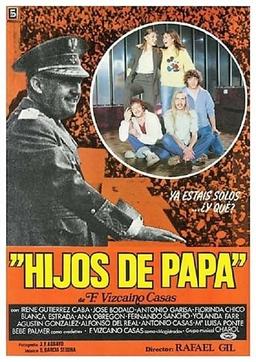
This satirical comedy follows the strict older generation pitting themselves against the pleasure-seeking youths, both in 1947 and in 1978.

Mario, a member of the terrorist group ETA during Franco's dictatorship, drastically changes the course of his life when, with democracy in place, the organization decides to continue killing.

A former Francoist becomes a democrat after the Spanish Transition

Antonio García-Trevijano: Transición e historia política de España en primera persona(2021)
Spanish jurist and republican thinker Antonio García-Trevijano (1927-2018) expounds his political thought and reflects on the recent political history of Spain.

Forty years later, Guillermo Montesinos, the actor who played José María el Cepa in The Cuenca Crime (1980), directed by Pilar Miró, returns to the various locations where the shooting of the mythical film, narrating the infamous Grimaldos case (1910), took place.

On November 20, 1978 a truck driver picks up a man on the road, that tells him to take him to Pardo's Palace. Soon, the truck driver begins to realize who this person is.
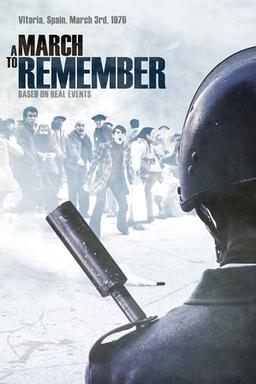
Vitoria, Basque Country, Spain, March 3, 1976. After several months of protests demanding decent working conditions, a general strike is called. Thousands of workers gather at the church of San Francisco while a hundred heavily armed policemen wait to act.

During the seventies, a mother becomes actively involved in the homosexual movement, fighting for LGBTQ+ rights and advocating for change.

Manoli and Fernando, a couple of communist ideas, want to live their love freely, fleeing from any bourgeois convention. At first, the couple rejects the help of her parents, but soon they will begin to give in and accept all kinds of comforts.