Movies and TvShows featuring "south-american-history" theme.

Inés Suárez, a young, humble woman from Extremadura who sets out for the New World to look for her husband, lost on the other side of the Atlantic along with his dreams of glory. Once there, Inés does not find her husband, but she does find the passionate love of Pedro de Valdivia, Francisco Pizarro's Field Master.

An American couple in Chile is drawn into the turmoil that followed President Salvador Allende's 1973 overthrow.


Waking the Dead (2000) is a captivating movie that tells the story of a politician's obsessive search for the truth behind his lover's death. Set in the 1970s, this gripping drama explores themes of social activism, family relationships, and the pursuit of justice.

The trials and tribulations of a fashion house in 1950s Chile.
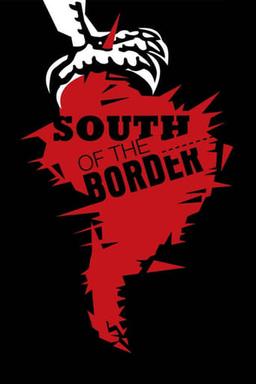
A documentary directed by Oliver Stone that explores the political and social climate in South America, focusing on the rise of left-wing governments and their challenges in the face of neoliberal globalization. The film takes a critical look at the influence of the International Monetary Fund, media bias, and manipulation on the region's politics, with a particular focus on Venezuela, Argentina, Paraguay, Bolivia, Ecuador, Brazil, and Cuba.

In 16th century Peru, a Spanish expedition led by Francisco Pizarro captures the Inca Emperor Atahualpa, setting off a clash of cultures and a search for gold. As the Spanish soldiers navigate through the treacherous Andes Mountains and the dense jungle, they encounter the powerful Inca civilization and face their own greed and prejudice. The fate of the Emperor and the Spanish soldiers hangs in the balance as they confront the complexities of religion, colonization, and the value of human life.

Historical drama adapted from the diary of the famous British travel-writer Maria Graham who arrived in Chile in 1822 just as the country was becoming independent from Spain. She is a woman coming to terms with her husband’s recent death: In her discovery of this breathtakingly beautiful country, its people and its customs, she learns to live again.
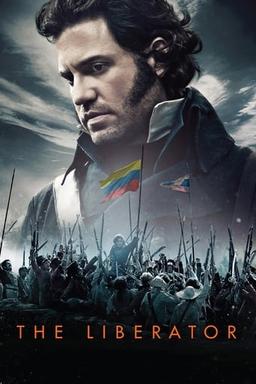
The Liberator (2013) follows the journey of Simon Bolivar, a military and political leader who played a key role in the fight for independence in Latin America during the 1820s. Beginning with a flashback to Bolivar as a young doctor, the film portrays his transformation into a revolutionary and general. It explores his struggles, betrayals, and grief, as well as his triumphs and the impact he had on the freedom and liberation of South America. From his involvement in the revolution to his conquest and leadership, the film delves into the complex life of this historical figure.

The Battle of Chile: Part I is a documentary film that explores the political events and social upheaval in Chile during the 1970s. It focuses on the rise of Salvador Allende, the right-wing terror attacks, and the eventual coup d'etat that led to a dictatorship.

A man embarks on a journey through Mexico and Argentina in search of his father, encountering various social issues and political situations along the way.

In the 1810s, a brave colonel leads a group of soldiers on a dangerous journey across the Andes mountains to fight for freedom and independence from the Hispanic Monarchy.

A moving portrait of Chilean singer-songwriter and political activist Victor Jara (1932-73) that chronicles the life of the talented artist who was imprisoned, tortured and machine-gunned by the country's dictatorship.

This three-part series illuminates the rise and fall of the ancient American empires of Maya, Inca and Aztecs. These high cultures brought about astonishing civilizational achievements in agriculture, architecture and astronomy to this day and dominated the Mesoamerican continent for over a millennium.
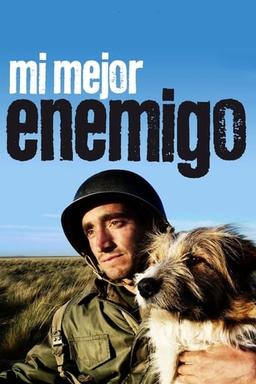
Two Argentine soldiers find themselves stranded on an island in southern Chile during the 1978 conflict between the two countries. As they try to survive and make their way back home, they must confront their differences and learn to work together.
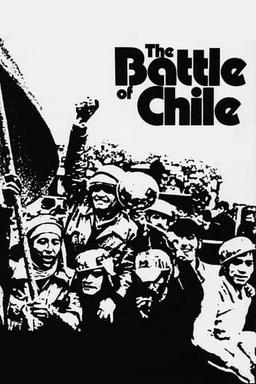
The Battle of Chile: Part II is a gripping documentary that captures the intense political struggle and popular resistance in Chile during the 1970s. It explores the aftermath of the 1973 coup d'etat that overthrew the socialist government of Salvador Allende and led to the rise of the brutal right-wing military dictatorship of Augusto Pinochet. The film delves into the crimes committed by the military junta, including torture, political murders, and the persecution of journalists. It provides a detailed account of the strategies employed by the Chilean people to resist the fascist regime and fight for their freedom.

In the midst of political turmoil, Salvador Allende faces betrayal, oppression, and the collapse of democracy as he fights to hold onto power in Chile. The film explores the history of Chile and the rise of Augusto Pinochet through the eyes of Allende.
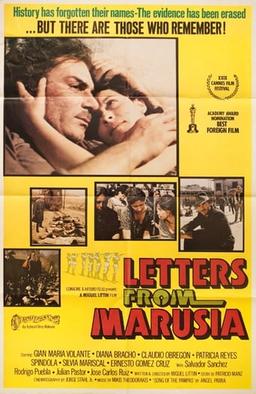
Chronicle of the repression that a foreign company exerts on the miners of a small nitrate town in Chile, whose workers decide to claim their most essential rights. A reflection of the historic union struggles in the northern Chile that ended with terrible repressive acts.

A Promise to the Dead: The Exile Journey of Ariel Dorfman(2007)
A Promise to the Dead: The Exile Journey of Ariel Dorfman is a documentary that follows the compelling journey of Ariel Dorfman, an acclaimed Chilean author, as he confronts the trauma and challenges of exile in the aftermath of a brutal military coup led by Augusto Pinochet. Through interviews, archives, and personal reflections, the film explores Dorfman's struggle to reclaim his identity, reconcile with his past, and make peace with a country torn apart by political turmoil and historical injustice.
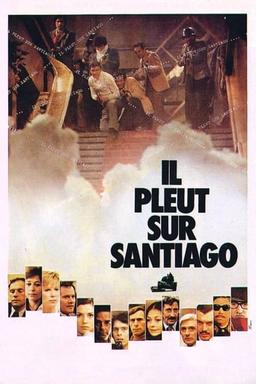
A semi-fictional account on the fatidic September 11, 1973, when the military commanded by General Pinochet took over the power from socialist president Salvador Allende, initiating a dictatorship that lasted until 1988 causing the deaths and disappearances of many people.
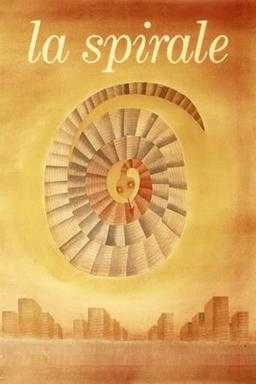
The Spiral is a documentary film that provides an in-depth look into the events leading up to and following the Chilean coup d'état in 1973. It explores the political and social climate at the time, highlighting the impact of the coup on the working class and the Marxist movement in Chile. The film also delves into the role played by the CIA and the class struggle that ensued under the dictatorship of Augusto Pinochet.