Movies and TvShows featuring "social-determinant-of-health" theme.


Filmmaker Judith Helfand's searing investigation into the politics of “disaster” – by way of the deadly 1995 Chicago heat wave, in which 739 residents perished (mostly Black and living in the city’s poorest neighborhoods).

Examines the role of social determinants of health in creating health inequalities/health disparities in the United States. Based on extensive research by a wide variety of academics, public health experts, and medical practitioners, the seven-part series explores how class and racism can have greater impacts on one's health outcomes than genetics or personal behavior. The opening 56-minute episode, In Sickness and In Wealth, presents the series’ overarching themes. Each supporting half-hour episode, set in a different ethnic/racial community, provides a deeper exploration of how social conditions affect population health, and how some communities are extending their lives by improving them.
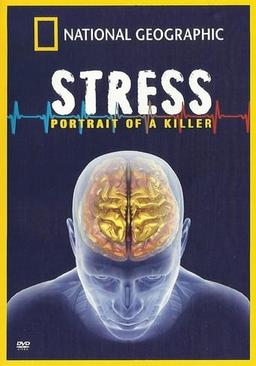
Over the last three decades, science has been advancing our understanding of stress—how it impacts our bodies and how our social standing can make us more or less susceptible. From baboon troops on the plains of Africa, to neuroscience labs at Stanford University, scientists are revealing just how lethal stress can be. Research tells us that the impact of stress can be found deep within us, shrinking our brains, adding fat to our bellies, even unraveling our chromosomes. Understanding how stress works can help us figure out ways to combat it and how to live a life free of the tyranny of this contemporary plague. In Stress: Portrait of a Killer, scientific discoveries in the field and in the lab prove that stress is not just a state of mind, but something measurable and dangerous.
No More results found.