Movies and TvShows featuring "slow-cinema" theme.
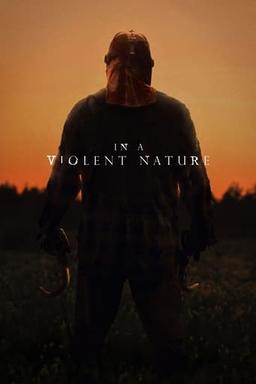
The enigmatic resurrection, rampage, and retribution of an undead monster in a remote wilderness unleashes an iconic new killer after a locket is removed from a collapsed fire tower that entombed its rotting corpse.
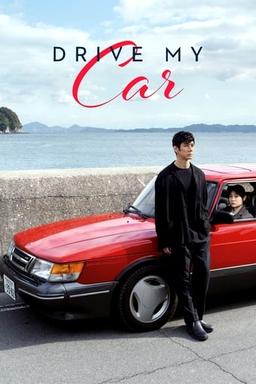
Drive My Car is a drama movie set in Tokyo, Japan. It follows the story of a widower who hires a chauffeur to drive him around. During their road trip, they form an unexpected bond and confront their past traumas.
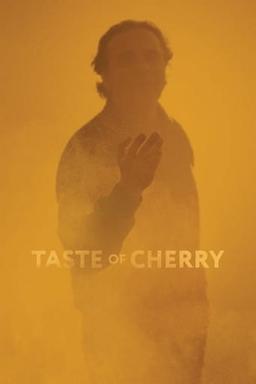
In 'Taste of Cherry,' a middle-aged man named Mr. Badii drives around Tehran in search of someone who will bury him after he commits suicide. Along the way, he gives rides to various passengers and engages in philosophical conversations about life and death. The film explores themes of hope, despair, and self-reflection.

An aging professor named Isak Borg dreams of a desolate city street and confronts his own mortality. He embarks on a road trip to receive an honorary doctorate and is accompanied by his daughter-in-law, Marianne. Along the way, they visit his childhood summer house and Isak reflects on his past, including his lost love Sara. They encounter a hitchhiking teenage girl named Sara and witness a car accident. Isak also reconnects with an old couple who are grateful for his past medical assistance. The journey ends with Isak receiving his award and reconciling with his family.
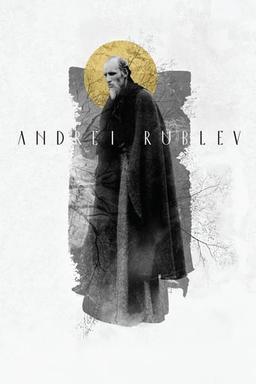
Andrei Rublev is a renowned painter in 15th-century Russia. The film depicts his struggle to create art in a time of brutality, exploring themes of spirituality and transcendence. Through the lens of Andrei's life, the film delves into the complexities of religion and creativity. As he faces guilt and seeks atonement, Andrei questions the role of art in a world filled with violence and suffering.
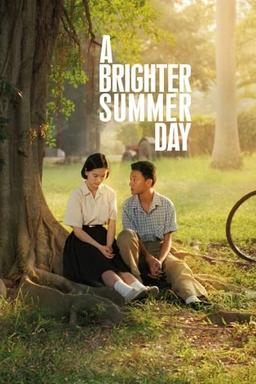
Set in 1960s Taiwan, A Brighter Summer Day follows a teenage boy who becomes entangled with a youth gang. As the summer unfolds, the boy faces violence, love, and the challenges of coming of age in a turbulent environment.

Uncle Boonmee Who Can Recall His Past Lives(2010)
 90%Tomatometer
Uncle Boonmee, who is on his deathbed, is visited by the spirits of his past lives and his long-lost son, while experiencing strange and supernatural events in the jungle.
A couple's evening together is disrupted by a trip to the convenience store.
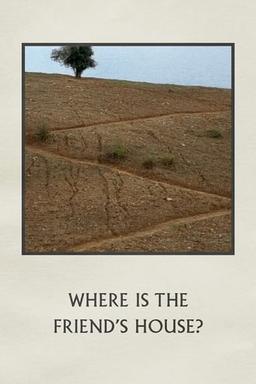
Where Is The Friend's House?(1987)
100%TomatometerIn the Iranian village, a young boy named Ahmed discovers that he accidentally took his classmate's notebook home. Determined to return it, he goes on a journey to find his friend's house. Along the way, Ahmed encounters various challenges and learns the importance of kindness and helpfulness. This minimalistic and postmodern film showcases the gentle and slow pace of rural life in Iran, while also exploring themes of friendship, family relationships, and education.
Close-Up is a docudrama that tells the story of a man in Tehran who is on trial for impersonating a filmmaker. Through reenactments and real-life footage, the film explores the blurred lines between reality and fiction.
Red Desert is a drama film directed by Michelangelo Antonioni. It follows a woman named Giuliana who struggles with loneliness, existentialism, and her deteriorating mental state in an industrial town. As she navigates her troubled marriage, Giuliana is haunted by her extramarital affair, depression, and her constant search for meaning in life. Set against the backdrop of a desolate landscape, the film explores themes of isolation, alienation, and the dehumanizing effects of industrialization.
Goodbye, Dragon Inn is a slow and contemplative film that captures the lonely atmosphere of an old-fashioned cinema in Taipei, Taiwan. Set in a cinema showing the 1967 martial arts film Dragon Inn, the movie follows various characters, including a Japanese tourist, a projection booth operator, a cashier, and a swordsman. The film explores themes of existential loneliness, incommunicability, and the end of an era. With very little dialogue, the movie uses long takes to create a haunting and melancholic atmosphere.
Satantango is a contemplative cinema masterpiece that takes place in Hungary. The nonlinear timeline follows a group of impoverished individuals facing despair, suicide, and the abuse of animals. The film is known for its long takes and slow pacing, as well as its exploration of mental illness and the postmodern condition.

Rebels of the Neon God follows the lives of three disaffected teenagers in Taipei, Taiwan. Their paths intertwine as they navigate themes of identity, alienation, and rebellion against societal norms.
In 9th-century China, an assassin is sent to kill the governor but falls in love with him instead. She must now choose between her duty and her heart, facing the consequences of either decision. Set in the Tang Dynasty, this slow-cinema film explores themes of love, loyalty, and treachery.

The Wind Will Carry Us follows an engineer who travels to a remote rural village in Iran for an assignment. As he waits for his mission to begin, he becomes fascinated by the daily lives and traditions of the villagers. He forms relationships with the locals and delves into the complexities of their lives, including a matriarchal family, a dying boy, and an ongoing project to dig a well. With minimalism and slow cinema techniques, the film explores themes of urban-rural divide, tradition, and the circle of life and death.
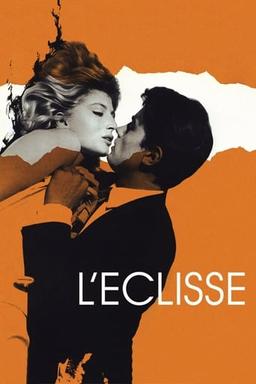
L'Eclisse is a movie that explores the themes of love, disillusionment, and isolation in postmodern Italy. It tells the story of a woman who becomes obsessed with a handsome man she meets, leading to a passionate but ultimately doomed relationship. Along the way, the movie delves into themes of depression, alienation, and the complexities of male-female relationships. Set against the backdrop of a bustling construction site and the world of stock brokers, L'Eclisse is a slow-paced and introspective film that offers a unique portrayal of the human experience.

In the lush Colombian jungle, a Scottish woman is haunted by strange sounds. As she investigates, she uncovers a deep mystery and embarks on a surreal journey.
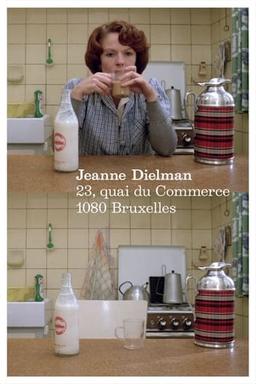
Jeanne Dielman, 23, quai du Commerce, 1080 Bruxelles(1975)
95%TomatometerJeanne Dielman, a widowed single mother, spends her days performing household chores with meticulous precision. Unbeknownst to those around her, she also works as a prostitute, discreetly servicing clients. Over the course of three days, the film presents a slow and deliberate exploration of Jeanne's existence and the existential loneliness she experiences. The monotony of her life is interrupted when a tragedy occurs, leading to unexpected consequences.
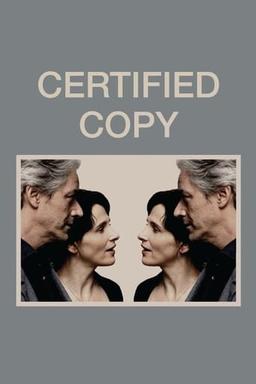
Certified Copy tells the story of a man and a woman, played by William Shimell and Juliette Binoche, who meet in a small Italian village. The man is an art expert who has written a book about copies, and the woman is a French gallery owner. They spend a day together, pretending to be a long-married couple, visiting a local antique shop, a water fountain, and a cafe. Throughout their conversations, they discuss their own troubled relationships, reflecting on the nature of love, authenticity, and art. As the story unfolds, it becomes unclear whether the two characters are actually strangers or if they have a deeper connection. The film explores themes of identity, truth, and the complexity of human relationships.