Movies and TvShows featuring "shia" theme.
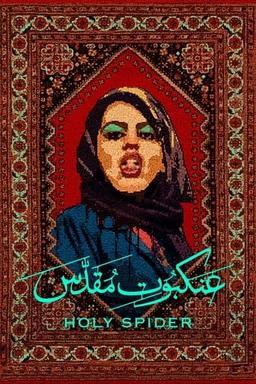

A journalist delves into the dark underbelly of Mashhad to uncover the truth behind a series of murders of sex workers. Working with a local newspaper editor, they trace the killings back to Saeed Azimi, known as the 'Spider Killer,' who believes he is purifying the city in the name of Imam Reza. As they gather evidence, they set a trap, leading to Saeed's arrest and subsequent trial. However, Saeed's religious fervor and confession to more killings create a chilling atmosphere. Despite the promise of a secret escape from the death sentence, Saeed meets his ultimate fate, and the journalist returns to Tehran, haunted by the horrifying case.

It revolves around the two grandsons of the Islamic prophet Muhammad, Hassan and Hussein, and their relationship with their companions, sedition that occurred between them and their companions after the killing of Usman ibn Affan.

Muhammad: The Messenger of God is a movie based on the life of Prophet Muhammad and the rise of Islam. The film showcases his journey from being a messenger of God to establishing the religion of Islam.
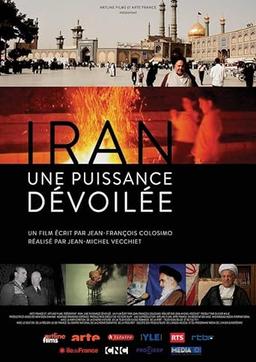
What kind of world power is Iran becoming, and how will Western countries deal with it?
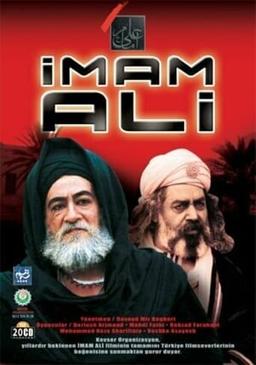
Imam Ali is a biographical TV show that explores the life and teachings of Imam Ali, a prominent figure in Islamic history and the fourth caliph of the Rashidun Caliphate. The show delves into his role in the early Islamic period, his close relationship with Prophet Muhammad, and his contributions to the development of Islam.
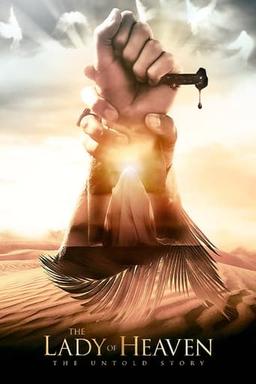
The Lady of Heaven is a gripping story about the enduring power of faith and the sacrifices made for it. Set in medieval times, the film follows a young girl named Fatima who embarks on a dangerous journey to find her beloved husband, who has been taken captive by a brutal terrorist group. With the help of an Imam and revelations from the Quran, Fatima must summon the courage to face unimaginable challenges and bring hope to her people.
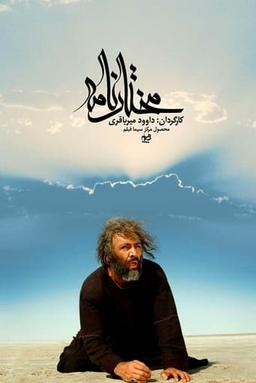
The Mokhtar Narrative is a TV show set in the 7th century during the Umayyad Caliphate. It tells the story of Mokhtar al-Thaqafi, a revolutionary figure who played a significant role in the events leading up to the Battle of Karbala. The show delves into the civil war and the rise of the Shia sect of Islam. It offers insights into the culture, history, and religious dynamics of that era.

The Lizard is a satirical comedy that tells the story of a master thief who disguises himself as a mullah in order to escape from prison. He uses his fake identity to manipulate the prison system and the people around him, leading to hilarious situations and unexpected consequences. The film explores themes of religion, identity, and the power of deception. With its clever storytelling and witty humor, The Lizard offers a unique and entertaining perspective on Iranian society.
Militant Islam enjoyed its first modern triumph with the arrival in power of Ayatollah Khomeini in Iran in 1979. In this series of three programmes, key figures tell the inside story.

Hussein Who Said No is a historical drama based on the life of Imam Hussein, who defied the Umayyad Caliphate's tyrannical rule in the 7th century. The movie portrays the struggle for justice and freedom, highlighting the courage of Imam Hussein and his followers in the face of oppression. It explores the themes of faith, sacrifice, and the pursuit of righteousness.

A series about Salman Farsi, an Iranian companion of the Prophet of Islam.
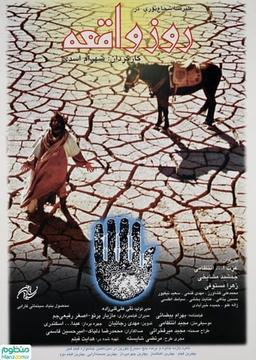
Set in the Umayyad Caliphate, this movie follows the events of a fateful day involving a dance ritual, decapitation, martyrdom, and the killing of Hussein.
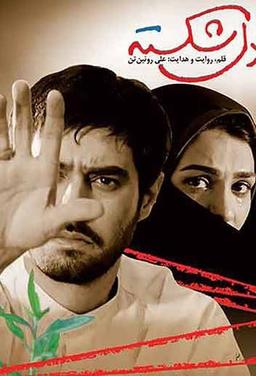
Heartbroken is a drama movie that follows the story of a young couple, Ali and Fatima, who are deeply in love. Their relationship is tested when Ali's family insists that he marry within their religion, while Fatima is from a different faith. As they fight to stay together, they navigate the challenges of cultural differences and the expectations of their families, ultimately questioning the true meaning of love and the sacrifices they are willing to make.


Princess of Rome tells the story of a young biracial princess living in Rome during the 9th century. As tensions rise between the Abbasid Caliphate and the Roman Empire, the princess must navigate religious differences and political intrigue. With her strong faith and determination, she becomes a symbol of unity and hope in a divided world.

The story begins with the death of Harun al-Rashid, the Abbasid caliph, and the coming to power of his son Amin. In the continuation of the war between Amin and his brother Mamun, the caliphate of Mamun and the bringing of Ali ibn Musa al-Reza to Merv is shown. It also describes the important events of this period, such as the rain prayer, the Eid al-Fitr prayer, and the debates between religions
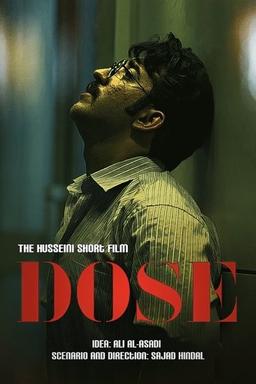
When "Hussain" finds himself powerless to save his mother from the grip of cancer and loses all hope of affording her treatment, a mysterious hand from another world reaches out to him, turning his reality upside down and presenting him with an unimaginable choice.
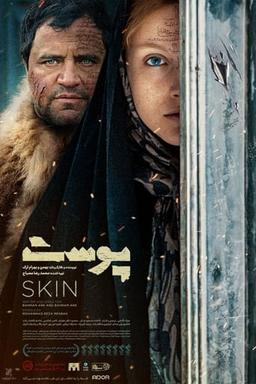
In a village steeped in magic and superstition, a young woman discovers her own powers when she uncovers a forbidden love. As she navigates the challenges of her conservative society, she must also confront the clash between good and evil.

In the Shadow of the Palms delves into the consequences of the Iraq War, examining the political, social, and cultural landscape in its aftermath. It exposes the lies and manipulations that led to the invasion, the impact of the occupation, and the struggle for social justice and liberation in Iraq.