Movies and TvShows featuring "sectarianism" theme.

Derry Girls is a comedy TV show set in 1990s Derry, Northern Ireland. It follows a group of teenage girls attending a Catholic school during a time of political and social unrest known as 'The Troubles'. The show revolves around their daily lives, friendships, and interactions with their families and the wider community.
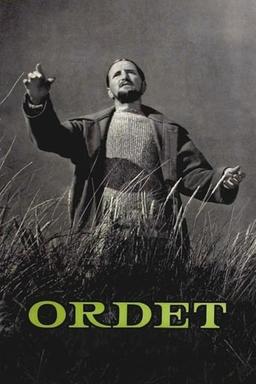

Ordet tells the story of a family in rural Denmark in the 1920s who are deeply divided by their differing religious beliefs. When the daughter-in-law experiences a problem pregnancy, their faith and belief in miracles are put to the ultimate test.
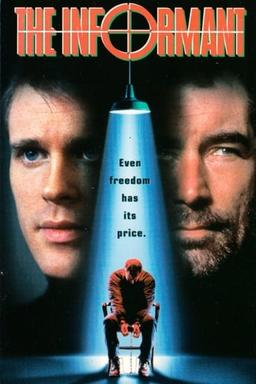
The Informant is a gripping movie set in the backdrop of the Northern Ireland conflict. It follows the story of a young informer who finds himself caught between the Irish Republican Army and witness protection, facing threats, intimidation, and political crimes. As tensions rise and the danger escalates, the informer must navigate a treacherous path to survive.
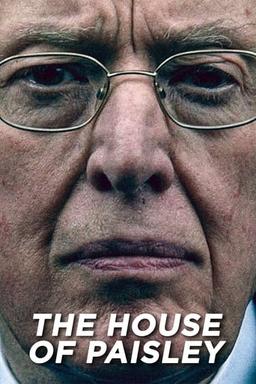
Preacher, populist, politician - the electrifying rise of the Reverend Ian Paisley.

Unquiet Graves (2018) is a gripping documentary that sheds light on the bombings, massacres, and collusion that occurred during the Troubles in Northern Ireland. The film explores the dark underbelly of the conflict, uncovering the sinister actions of paramilitary groups, such as the Ulster Volunteer Force, and the complicity of institutions like the Royal Ulster Constabulary. Through interviews with victims and their families, the film portrays the devastating impact of sectarianism, terrorism, and assassination during this tumultuous period in Irish history.

The film is set in Northern Ireland shortly after 1994 cease-fire. Hazel is a Protestant and Malachy a Catholic. Romance between them is threatened by Rohan (leader in militant underground and pal of Malachy's brother Padhar), who wants Malachy to be recruited and fight for the cause and by Hazel's brother Jef, who spies on her meetings.

Set in Belfast against the backdrop of the 1986 World Cup, Shooting for Socrates tells the story of a momentous time in Northern Ireland's football history through the eyes of players, fans and the media. The film also follows the lives of passionate football supporter Arthur and his son Tommy from East Belfast. The lead up to a momentous day in the life of a young boy (his 10th birthday) mirrors the build up to the big day for the Northern Ireland football team as they play the greatest match of their lives.
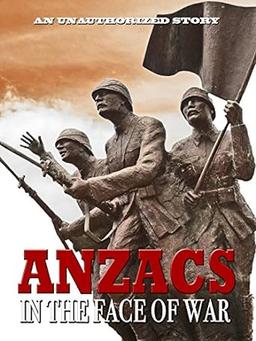
Archive footage of Australia and New Zealand forces during WW1, WW2 and the Vietnam conflict. Plus home life between the wars, especially focusing on the homage we pay to those who so bravely sacrificed themselves on our behalf. This is all held together by a wonderful script narrated by John Stanton.

Sarah, a Palestinian woman, and Saleem, an Israeli man, engage in an illicit affair. Their actions have unintended consequences as they become entangled in a web of betrayal, violence, and moral dilemmas. Inspired by a true story, the film explores the complexities of love and loyalty in the midst of political tension.
This documentary explores the events of the Massacre at Ballymurphy in 1971, where British troops in Northern Ireland were involved in the killing of civilians. It delves into the political, social, and historical context of the massacre, highlighting issues such as British colonialism, voting rights, housing discrimination, sectarianism, and the Troubles. The film also examines the aftermath of the massacre, including the public inquest and the impact it had on the community.

A poetic, intimate account of the Troubles in Northern Ireland, told through the stories of a handful of people who lost loved ones during the conflict. It’s not the story of the politicians or the terrorists. It’s the story of the mothers, sisters and daughters who kept life going when everything around them was crumbling.

Aa'La'Ma'Ni means worldly in Arabic. It's a significant term in the Middle East, where secularism is controversial since the majority often link secularism with atheism and anti-religious sentiment. SECULAR | Aa'La'Ma'Ni, a documentary based on academic research, explores the depiction of secularism in Middle Eastern cinema and TV channels. Filmmakers and regional producers openly discuss religion, sectarianism, authorities, minorities, and industry challenges.

The Patriot Game is a documentary film that focuses on the conflict between Irish Republicans and the British Army during The Troubles in Northern Ireland. It explores the roots of the conflict, including the history of British colonialism, sectarianism, and discrimination. The film also examines the role of paramilitary groups like the Irish Republican Army (IRA) and the tactics they employed in their struggle for Irish independence.
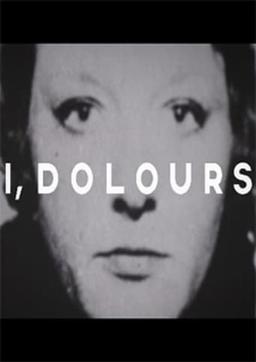
Dolours Price, the infamous IRA radical convicted of bombing England's Old Bailey in 1973, granted a series of revealing interviews in 2010 on the strict condition of their posthumous release. The interviews, brought to life through vividly cinematic reenactments, uncover the birth of her fierce commitment to Irish Republicanism. Price revisits the bombing and the 200-day hunger strike that followed, and discusses her role in the disappearances of some suspected Republican informants. With 2018 marking the 20th anniversary since the signing of the Good Friday Agreement, and 50 years since the start of the Troubles, filmmaker Maurice Sweeney presents an eye-opening portrait of a once passionate, now disillusioned nationalist whose clarity of purpose both inspired allegiance and promised terror for so many.

Battle of the Bogside is a documentary that depicts the events of the intense clash between the Protestant and Catholic communities in Derry, Northern Ireland. It focuses on the civil rights movement, police violence, and the sectarian violence that ensued. The film also delves into the social discrimination faced by Catholics and the role of the British Army and the Royal Ulster Constabulary in the conflict. The Battle of the Bogside ultimately led to the creation of a pirate radio station and widespread rioting.
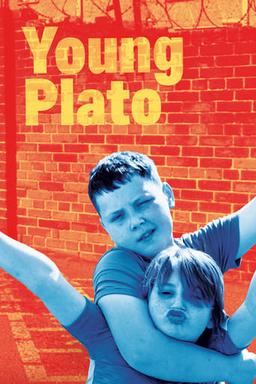
Young Plato is a documentary that follows a group of children attending a boys' school in Belfast, Northern Ireland. The film focuses on the introduction of philosophy classes and the impact they have on the children's development, especially in relation to self-control, anger management, and school discipline. Through observing the students and their interactions with the philosophy teacher, the film also touches upon the history and cultural context of Belfast and its peace process.
Young Algerian journalist Nedjma is investigating Islamic accounts of paradise. She is particularly interested in the descriptions used by Salafi preachers to recruit young Algerian men as jihadists. She and her colleague Mustapha find a number of disturbing, richly embellished video sermons and decide to explore the phenomenon in more detail.

Homeland Gone is a thought-provoking documentary that delves deep into the social and political landscape of Lebanon, unraveling the complex issues of revolution, religion, sectarianism, and identity crisis. Through captivating interviews and breathtaking visuals, the film sheds light on the profound impact of these conflicts on the people living in the Middle East.

John T. Davis’ first in a trilogy of films (including Protex Hurrah (1980) and Self-Conscious Over You (1981)) exploring the Belfast filmmaker’s local subculture and American cultural influence. It provides a look at the burgeoning punk scene in Northern Ireland, featuring early footage of bands such as Stiff Little Fingers, The Undertones, Protex, The Outcasts, and Rhesus Negative, among others. (from: http://artistsspace.org/programs/shellshock-rock/)

A Sense of Loss is a documentary film that delves into the complex and violent political conflict in Northern Ireland known as the Troubles. It explores the historical and social factors that led to the conflict, as well as the devastating impact it had on the lives of the people involved. The film features interviews with key figures and examines the issues of discrimination, sectarianism, and violence that fueled the conflict.