Movies and TvShows featuring "russian-politician" theme.
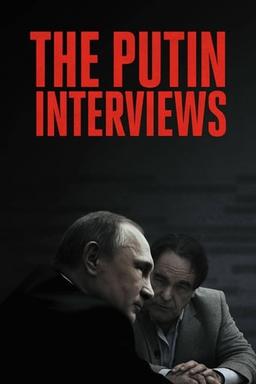
The Putin Interviews is a documentary series that features filmmaker Oliver Stone conducting interviews with Russian President Vladimir Putin. The series provides an in-depth look into Putin's life, his leadership style, and his views on various topics such as international relations and Russian politics. Through these interviews, viewers gain insights into the enigmatic leader and the dynamics of power politics in Russia.

The documentary project The Term was conceived in May 2012. When the directing trio commenced mapping the Russian sociopolitical landscape, Vladimir Putin had just settled into the Kremlin for his third term. The original experimental format of “documentary bulletins,” which were published daily online, allowed for wide-ranging content; in the feature film version, however, the filmmakers focused solely on the members of various opposition groups. Nevertheless, the work’s neutral position remains and viewers have to interpret the objectively presented situations for themselves. The main characteristics of this strongly authentic movie include close contact with the protagonists, precise editing, and an effectively controlled release of information.

Putin, Russia and the West is a four-part British documentary television series first shown in January and February 2012 on BBC Two about the relationship between Vladimir Putin's Russia and the West. The series is produced by Norma Percy, whose previous series include The Death of Yugoslavia, Israel and the Arabs: Elusive Peace, and Iran and the West. The documentary was criticized by some dissidents for being an apology for Putin's regime.

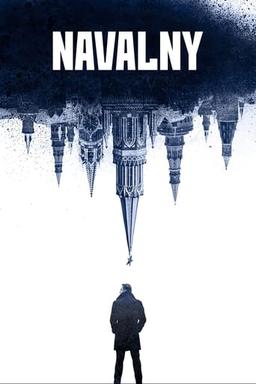

After surviving an assassination attempt by poisoning, a man discovers disturbing truths about the incident and decides to go back home.
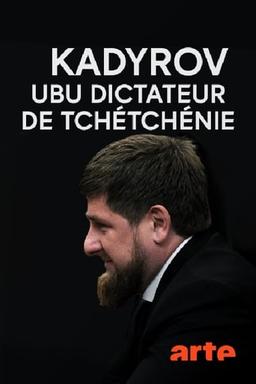
The lifestyle, self-styling and political opinions of Chechen dictator Ramsan Kadyrov are examined in this documentary.
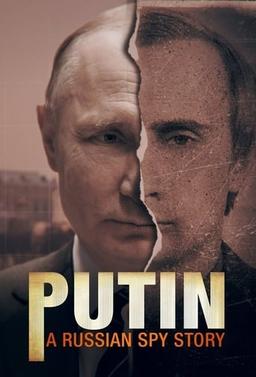
Explore the intriguing story of Vladimir Putin, from his rise through the ranks of the KGB to his position as the President of Russia, in this captivating documentary series.

A documentary that explores the life of a Russian politician and his involvement in political corruption. It delves into the country's culture, kleptocracy, and the opposition's efforts to bring transparency and anti-corruption measures. The documentary sheds light on the controversial figure's luxurious lifestyle in palaces and mansions, as well as his connections to Vladimir Putin.

An intimate portrait of Russian opposition leader Boris Nemtsov — once Deputy Prime Minister and “an heir of President Yeltsin”, later an uncompromising adversary of Putin — that was assassinated near the Kremlin in February 2015. Election campaigns and hotel beds, protest rallies and office routine, train compartments and courtrooms, night walks and police vans – you have never seen any politician so close. This is a story how a journalist assignment turns into a genuine friendship.

More than twenty years after Vladimir Putin came to supreme power in Russia on May 7, 2000, Russian society is deeply divided. A young, modern generation opposes the growing repression by the regime, which still retains the support of many members of previous generations. Who are these ordinary citizens who dream of living in a different Russia? What price will they have to pay to achieve the freedom and justice they so desire?

Moscow, January 1996. Boris Yeltsin gets ready to run for a second mandate of the presidency of the young Russian Federation. Polls are in the single digits. A painful economic transition, war in Chechnya, and the rise of criminal groups have left the majority of Russians dissatisfied with Yeltsin… and willing to vote for the communist leader Gennady Zyuganov. Yet six months later, Yeltsin won the election with nearly 54% of the vote. How did that happen?
Dashing authors, the first porn sites and the last bastards. How the Russian Internet appeared and how it changed: from complete freedom to the appearance of censorship and the law on isolation.
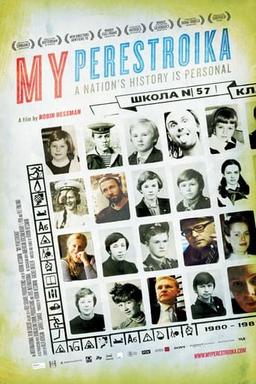
My Perestroika is a documentary film that looks at the effects of Perestroika, the political and social restructuring of the Soviet Union, on the lives of five ordinary Russians. It explores their memories, emotions, and experiences during this transformative period in Russian history. The film provides an intimate and personal perspective on the changes brought about by Perestroika and how it shaped the lives of the individuals involved.

An immersion into the intimacy of Mikhail Gorbachev, the last leader of the USSR. The architect of perestroika and glasnost, who was praised in the West but reviled in his own country, still combative despite his advanced age, loneliness and illness, offers his personal and political testament.

Last winter Russians got tired with Putin's autocratic actions and went out into the streets to demand change. A hope for more righteous Russia has awakened, but the journey is a long one, and the weight of history exceptionally heavy. However, an idea for new Russia has been born, and continues to grow even at this very moment. One of the people fighting for change is a Russian author and dissident Victor Erofeyev. He loves his country and wants it to be more tolerant and open-minded. For decades now, he has been criticising the people in charge of Russia. He has also been in trouble with the state since the Soviet times, but does not let the fear hold him back. With his work he wants to encourage the Russians to take a critical look around and try to actively improve their own situation. Now this is finally happening.

After the father’s death, the daughter of one of the forefathers of modern Russian democracy, Ksenia Sobchak, tries to understand the 18 years of his political fate. Together with the director Vera Krichevskaya she gives the word to Anatoli Sobchak’s colleagues and opponents, gets acquainted with the criminal case which annulled his career, and tries to find an answer to the question what Anatoly Sobchak’s fate would be in today’s Russia.

Putin's Palace: History of World's Largest Bribe is a documentary film that delves into the intricate details of the alleged bribery scandal involving Russian politician Vladimir Putin. The film uncovers the hidden truth behind the construction and ownership of the luxurious palace located on the Black Sea coast, showcasing satellite imagery, secret filming, and accounts from insiders. Through an exploration of archives and testimonies, the documentary sheds light on the corruption, political intrigue, and wealth accumulation during Putin's era.

Facing the Judgement of History is a documentary film that explores the life of an aristocrat who becomes a political prisoner during the Russian Revolution. The film delves into the anti-Soviet sentiment, the downfall of Tsarism, and the rise of the Soviet Union. It examines the struggles faced by the White Army and sheds light on the political landscape of the time.

World Order is a nearly two-hour documentary film by documentary film director Vladimir Soloviev examining the vast political changes in the world since the fall of the Soviet Union in 1992. The film was first broadcast on Russian television channel Pervy Kanal on December 20.