Movies and TvShows featuring "post-war-japan" theme.

A young woman Chiaki whose family runs an old miso company in Nagano Prefecture, the only daughter of old traditional family. For generations, they were making soybean paste for living. Now she needs to take over this business and rebuild it. She lives through the hardships of postwar Japan.


In post-war Japan, a traumatized pilot must confront his survivor's guilt and join forces with a team to defeat Godzilla, a giant monster created by atomic bomb radiation. As they devise plans and engage in battles, they realize the true cost of war and the power of redemption.
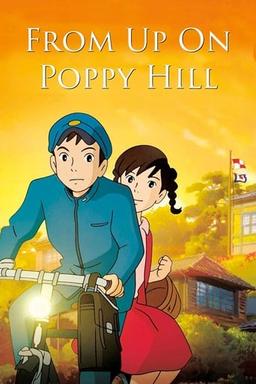
From Up on Poppy Hill is a nostalgic romance set in 1963 Yokohama, Japan. It follows the story of Umi Matsuzaki, a high school girl who falls in love with a fellow student, Shun Kazama. Together, they work to save their school's clubhouse from demolition, all while uncovering the secrets of their pasts and the history of their town. This heartwarming tale explores themes of love, friendship, and the importance of preserving history.

Elite college graduates commit perfect financial crimes though loopholes in the law during the 1950s.
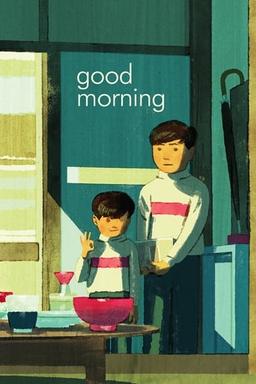
Good Morning is a gentle comedy that follows the everyday life of a family in post-war Japan. It explores themes of generational conflict, social dynamics, and the importance of communication.
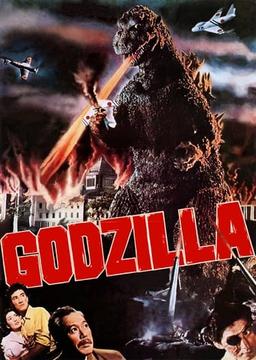
After a series of shipwrecks and unexplained phenomena, a giant creature known as Godzilla emerges from the ocean and begins to terrorize Tokyo. As the city falls into chaos, a group of scientists and officials frantically search for a way to stop the rampaging monster before it destroys everything in its path.
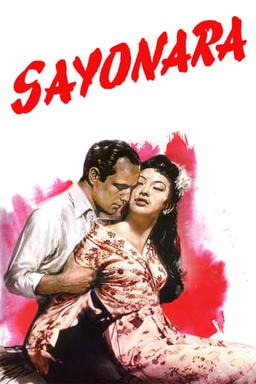
Sayonara is a 1957 movie set in post-war Japan during the Korean War. It tells the story of an Air Force officer who falls in love with a Japanese woman. The couple faces challenges and racial prejudice due to their interracial relationship. The film explores cultural differences and the impact of the war on their lives.
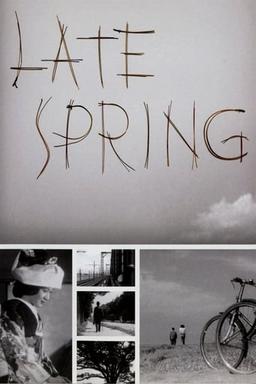
Late Spring is a beautiful and poignant film set in post-World War II Japan. It tells the story of a widower and his unmarried daughter, exploring the themes of family, love, and sacrifice. The film showcases the delicate relationship between the father and daughter as they navigate societal expectations and the generation gap.
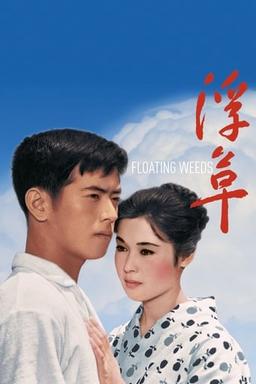
Floating Weeds follows the story of a theater company director who returns to his hometown and rekindles a relationship with a former mistress and their illegitimate son. The film explores themes of love, family relationships, and the struggles of life in a small town.
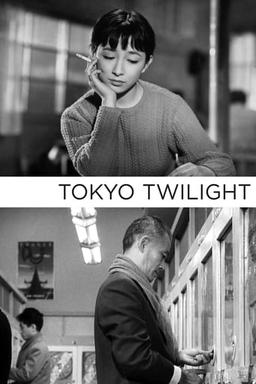
Tokyo Twilight follows the story of a single father and his motherless daughters as they navigate their dark past and uncover long-lost secrets. Set in post-war Japan, the film explores themes of adultery, abandonment, and the search for truth. With a focus on family relationships and maternal love, Tokyo Twilight delves into the complexities of parenthood and the consequences of the choices we make. As the plot unfolds, the characters are confronted with unexpected revelations that challenge their understanding of themselves and their family. This emotionally charged film explores the depths of human relationships and the impact of past actions on the present.
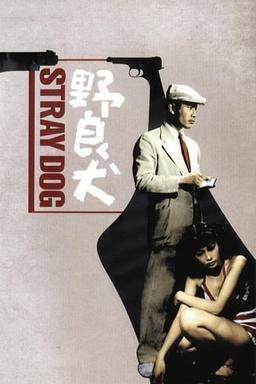
In Tokyo, a rookie detective loses his gun and becomes obsessed with finding it, leading him to navigate through the city's criminal underworld. As he delves deeper into the dark and dangerous world, he uncovers a web of deception and discovers shocking truths.

In 'I Live in Fear,' a foundry owner in post-war Japan becomes obsessed with his fear of nuclear war and seeks legal arbitration to be admitted to a mental asylum. His family becomes entangled in his paranoia, leading to a dramatic family dispute. Directed by Akira Kurosawa, this film explores themes of guilt, regret, and the impact of the H-bomb on Japanese society.
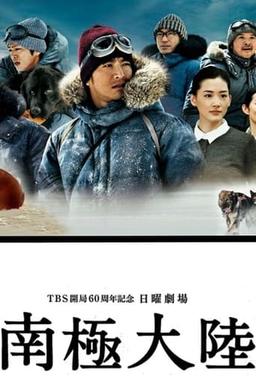
Set in the 1950's, a Japanese Antarctic research exploration team and 19 dogs that accompanied the team are stationed at the Showa Base in Antarctica. After a year, the exploration team is ordered to withdraw from the Antarctic station due to severe weather conditions. The dogs have to be left behind. The following year, the next team arrives at the Showa Base station and a miraculous reunion occurs between a dog handler accompanying the new tean and two dogs, Taro and Shiro, that are brothers.
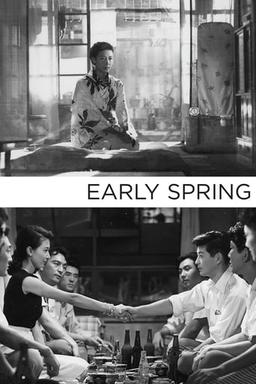
Early Spring is a 1956 movie that explores the life of a man caught in a midlife crisis. As he navigates the challenges of his dysfunctional marriage and dull corporate job, he finds solace in a young neighbor. The movie delves into themes of love, jealousy, and the pursuit of happiness amidst a backdrop of post-war Japan.

Post-war Yokosuka, Kanagawa Prefecture. Adults who are swayed by the US military stationed in the country and swayed by US intentions cannot afford to care about children who should be protected. The war orphans, who had no choice but to survive on their own, were used to shining shoes for American soldiers, picking up cigarettes, and sometimes committing crimes. However, at some point, they came across a "cleaning" job. They work hard instead of committing crimes and earn money by being appreciated by people. The orphans begin to regain their smiles through experiences that make them feel like they should be alive. The children started to have a modest dream of "renting a house and living" with their own earnings, but they were attacked by an even harsher reality...

Prostitutes in burnt out Tokyo ghetto of post-WWII Japan peddle their flesh and save one-third of their money for a proposed dancehall to be named Paradise. The hookers live in a bombed-out building, but they accept the precarious situation with typical resolve.

Set in Hiroshima, Japan, Battles Without Honor and Humanity follows the violent world of organized crime. The story revolves around yakuza gang wars, betrayals, and the aftermath of World War II. The movie explores themes of loyalty, honor, and betrayal in the criminal underworld. With intense action sequences, a complex plot, and memorable characters, Battles Without Honor and Humanity is a gripping crime epic.

Set in post-war Japan, a young woman named Noriko is faced with the pressures of marriage and family expectations. She must decide between following tradition or seeking her own path in life.

After the war, Kijima (Bunta Sugawara) returns to Tokyo where he meets Ôba (Noboru Andô), an Ex-Kamikaze pilot, and the two ruffians gather hooligans to join their group. In Ginza, the Togawa gang have taken over Sakurada's territory. After several fights Kijima and Ôba gain control of the territory by chasing out the notorious Togawa Group in the name of Sakurada. But Kijima is arrested for assaulting an American soldier. A few years pass. Kijima has served his prison term and the sears of war have been erased from Ginza. Ôba is now president of a company specializing in collection of bad debts, cheque frauds and everything that means money. People call their organization the “Private Police,” and Kijima begins to work for Ôba. Now the Takegami gang waits a chance to seize the Ginza territory.
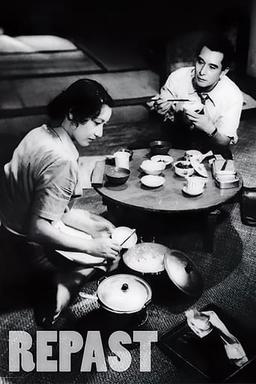
In post-war Japan, a bored housewife in a unhappy marriage contemplates her life of monotony. She is surrounded by domestic quarrels, unhappy relationships, and poverty. As she takes a guided tour to Osaka, she reflects on her unhappiness and regrets. The film explores themes of unhappiness, regret, and dissatisfaction within a marriage.