Movies and TvShows featuring "post-colonialism" theme.

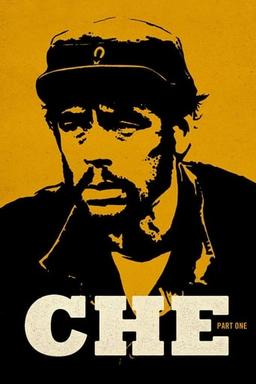

Che: Part One (2008) is a biographical drama that follows the life of Che Guevara, a key figure in the Cuban Revolution. The movie depicts his journey from being a doctor to becoming a revolutionary leader, and the battles he fought to overthrow the Batista regime.
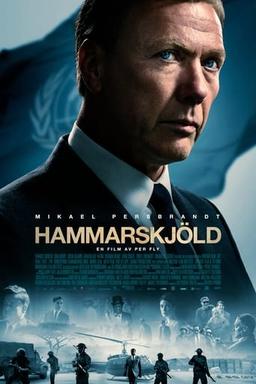
Set during the Cold War in 1961, 'Hammarskjöld – Fight For Peace' depicts the courageous journey of diplomat and economist Dag Hammarskjöld. After leading UN troops into their first wartime operation, he embarks on a perilous mission to negotiate a ceasefire with his enemies.

How African artists have spread African culture all over the world, especially music, since the harsh years of decolonization, trying to offer a nicer portrait of this amazing continent, historically known for tragic subjects, such as slavery, famine, war and political chaos.
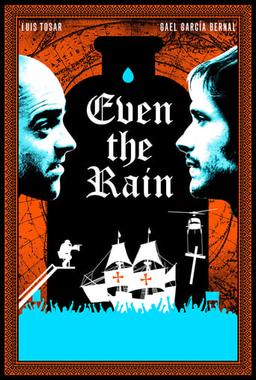
Even the Rain is a movie about a film crew that arrives in Bolivia to shoot a movie about Christopher Columbus. As they begin filming, they get caught up in a water protest led by the local indigenous people. The crew finds themselves facing many challenges and moral dilemmas as they witness the ongoing struggle for clean water and the clash between the local population and the government.

A tough rich female ranch owner in Africa wants to cut off the water supply to the locals, since she holds them responsible for the murder of her husband. She hires two charming gunrunners as help, but they suspect her shady competitor.

Black Girl (1966) follows the story of a young Senegalese woman who moves to France to work as a domestic worker for a wealthy family. She faces discrimination and alienation in her new environment, as she struggles to find her place in a racially divided society. The film explores themes of post-colonialism, racism, and the complex dynamics of employer-employee relationships.

Germans colonized the land of Namibia, in southern Africa, during a brief period of time, from 1840 to the end of the World War I. The story of the so-called German South West Africa (1884-1915) is hideous; a hidden and silenced account of looting and genocide.
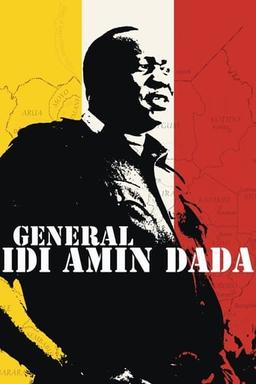
General Idi Amin Dada is a documentary that explores the brutal rule of Ugandan dictator Idi Amin in the 1970s. It delves into his megalomaniacal tendencies, post-colonialist ideology, and despotic rule, showcasing the impact of his military regime on the country.

After 15 years of living abroad, Amanda returns home with her French boyfriend, Martin. They arrive at her family's large-scale farm, located in a secluded village on the endless plains of southern Brazil. There, Amanda finds her father in a coma in the midst of increasing tension among the workers. The sole doctor in the nearby village is Helô, a young woman who resigns herself to caring for the local townspeople. The imminent death of the farm owner will put Amanda, Martin, and Helô at the heart of a disturbing settlement between the village and the farm owners.

In Vanda's Room is a semi-documentary drama that takes place in the Fontainhas neighborhood of Lisbon, Portugal. It follows the life of Vanda, a drug user and heroin addict, as she navigates the challenges of poverty, addiction, and family relationships. The film provides a raw and intimate portrayal of Vanda and her struggles in an urban setting.

Xala is a satire comedy set in Senegal, focusing on a wealthy businessman named El Hadji who is struck with impotence on the night of his marriage to his third wife. The film explores themes of colonialism, neocolonialism, and corruption as El Hadji's impotence becomes a metaphor for the impotence of post-colonial African nations.

After 52 years of armed conflict the FARC guerrillas are about to hand over their arms in exchange for political participation and social inclusion of the poor. Ernesto is one of them. The much celebrated Colombian peace agreement throws Ernesto and the polarised society around him into chaos in which everyone is afraid of the future and their own survival.

Earth is a drama film set in 1947 during the Partition of India. It follows the story of a young girl and her relationships with different people from diverse religious backgrounds, all affected by the violence and chaos of the partition.

Garm Hava (1974) tells the story of a Muslim family struggling to survive in post-colonial India, dealing with prejudice, persecution, and political unrest. The movie explores themes of love, family, and the impact of political corruption on ordinary people's lives.
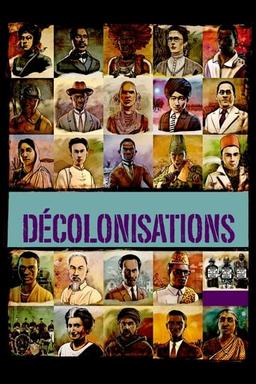
The history of decolonization from the point of view of colonized peoples, an epic story that still resonates and reverberates to this day.

"The Art of Dissent" celebrates the resilience and power of artistic engagement in Czechoslovakia before and after the 1968 Soviet-led invasion. The documentary's main protagonists - Václav Havel, banned singer Marta Kubisová, and the underground rock group the Plastic People of the Universe (PPU) - became the most recognizable dissidents during the 1970-80s. Havel bridged the disparate clusters of individuals and fused the literary, musical, political, and philosophical nonviolent elements into a hybrid network that eventually toppled the totalitarian regime in 1989.

A construction worker on a construction site in the Paris suburbs, Mehdi takes the bus to return home after work. Wishing to get off while the vehicle is stationary in a traffic jam, the driver refuses: while restarting, the bus hits the car in front of it. The bus driver attacks Mehdi whom he holds responsible for the incident, claiming that it is forbidden to “talk to the stagehand”. Mehdi is implicated in court and his lawyer tries to draw attention to the living conditions of immigrant workers.
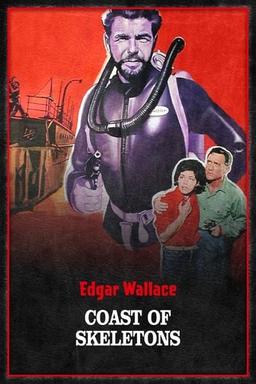
A former district officer is assigned to work on a team of diamond prospectors, who are busy double crossing each other until they are blown up having found bullion.
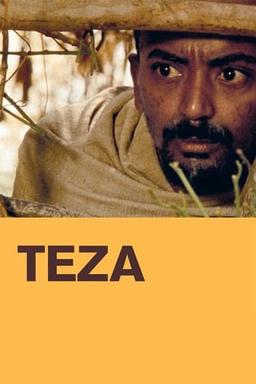
Teza is a powerful drama that follows the journey of an Ethiopian man as he navigates the pain of exile, the hope of return, and the complexities of a changing world. Set against the backdrop of post-colonial Ethiopia and West Germany in the 1970s, Teza explores themes of friendship, diaspora, and the impact of political turmoil. Through the protagonist's experience, the film delves into the struggles of identity, a mother-son relationship, and the search for meaning.