Movies and TvShows featuring "partially-lost-film" theme.

Documentary by Portuguese Silvino Santos, about the Amazon, its flora, fauna, its inhabitants and among other wonderful images from the beginning of the 20th century with alternating close-up shots of caimans, jaguars and tropical flora with footage of Indigenous rituals--including some of the earliest known moving images of the Indigenous Witoto people--and longer sequences showcasing the region’s extractive industries: rubber, the Brazil nut, timber, fishing, even the egret feathers that were a staple of women’s fashion at the time.
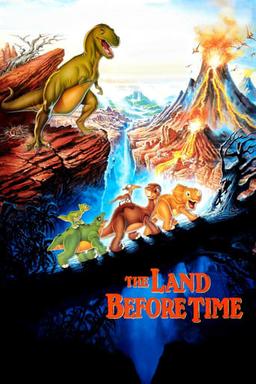
In a primitive time, a young dinosaur embarks on an adventure to find his family after an earthquake separates them. Along the way, he forms an unlikely friendship and faces dangers such as starvation, predators, and the eruption of a volcano.

Intolerance: Love's Struggle Throughout the Ages(1916)
 98%Tomatometer
Intolerance: Love's Struggle Throughout the Ages explores four stories, including ancient Babylon, 16th-century France, contemporary America, and a biblical story, all showcasing the devastating consequences of intolerance. The film weaves together these narratives to emphasize the need for love and understanding in a world filled with hatred and bigotry.
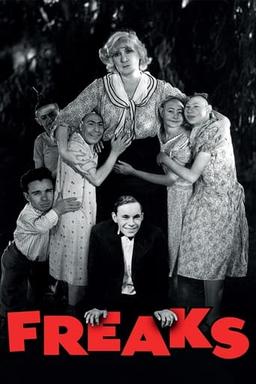
In Freaks, a group of circus sideshow performers seek revenge on a trapeze artist who plots to murder one of their own. The film explores themes of disability, bigotry, and betrayal as the characters navigate a world of human deformity and societal prejudice.

Down You Go is an American television game show originally broadcast on the DuMont Television Network. The Emmy Award-nominated series ran from 1951–1956 as a prime time series hosted by Dr. Bergen Evans. The program aired in eleven different timeslots during its five-year run. Down You Go is one of only six series — along with The Arthur Murray Party; Pantomime Quiz; Tom Corbett, Space Cadet; The Ernie Kovacs Show; and The Original Amateur Hour — shown on all four major television networks of the Golden Age of Television: ABC, NBC, CBS, and DuMont.

Rasputin and the Empress (1932) is a captivating historical drama that delves into the life and influence of Grigori Rasputin, a controversial figure in imperial Russia. The film follows the manipulative and charismatic Rasputin as he gains the trust of the Russian royal family, particularly Czar Nicholas II and Czarina Alexandra. Rasputin's ability to seemingly heal their son's hemophilia creates a deep bond of dependency, but his questionable methods and growing influence lead to political unrest, revolution, and ultimately the downfall of the imperial family.

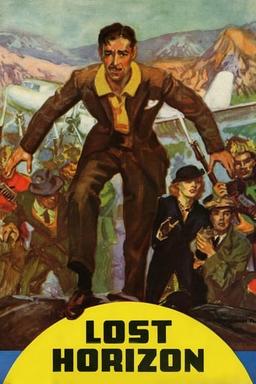
A group of strangers survive a plane crash and find themselves in the mythical utopia of Shangri-La, where they must confront their desires and choose between staying in paradise or returning to the outside world.

Neil McRae, an impoverished composer, loves Cynthia Mason, but, fearing poverty, proposes to wealthy Gladys Cady. Can he compose himself and find the courage to seek love over comfort?
Cavalcade of Bands was an early-1950s American television series which aired on the now defunct DuMont Television Network.

Successful middle-aged manufacturer Frank Parry takes a business trip to New York, where he becomes infatuated with Eva Boutelle, manager of the Swansea Cotton Mills. For a time, their affair develops, but Eva remains true to her husband ...
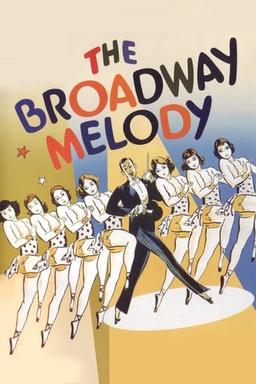
Set in the 1920s, 'The Broadway Melody' tells the story of two sisters who come to New York City to pursue their dreams of becoming stars on Broadway. As they navigate the competitive world of showbiz and encounter love triangles and backstage drama, they strive to put on a show that will catapult them to fame.
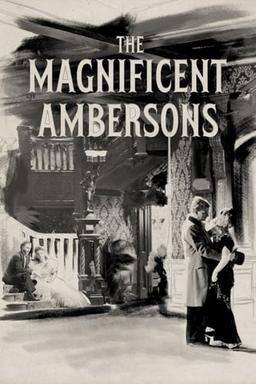
The Magnificent Ambersons follows the decline of the Amberson family, once the wealthiest and most respected in their small town. As the new age of industrialization dawns, the Ambersons find themselves struggling to adapt, leading to jealousy, financial ruin, and the loss of their privileged status. Through love, forgiveness, and comeuppance, they must learn to navigate the changing times.
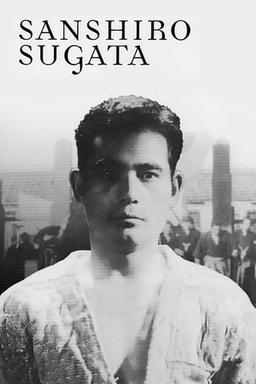
Sanshiro Sugata follows a young man who, after witnessing the accidental killing of his father, seeks revenge by learning judo. Along the way, he learns about love and the true essence of martial arts.
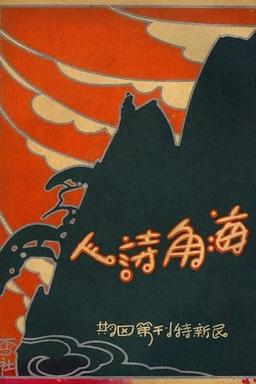
Hou Yao wrote, directed and starred in A Poet from the Sea (1927). It was shot in Stanley, Hong Kong. The surviving copy was only 23-minute long, but Hou Yao's romantic side was obvious through the scenic location and beautiful set-up. The love story between Poet (Hou Yao) and his lover (Lee Dan-dan) was pure and lyrical, a gem from China Sun Motion Picture Company (Shanghai) in the 1920s.

Professor Nishiyama, after studying and interpreting the prophecies of Nostradamus, realizes that the end of the world is at hand. Unfortunately, nobody listens to him until it is too late. As the effects of mankind's tampering of the earth - radioactive smog clouds, hideously mutated animals, destruction of the ozone layer - rage out of control, the world leaders hurtle blindly toward the final confrontation. The film sparked controversy in Japan and was subsequently pulled out of circulation, with no official video release of the uncut film.

Young William Burroughs comes from wealth but not nobility, so despite his income he is not welcomed when he pursues Lady Elizabeth Galton, and indeed he is not only beaten by her cousin but thrown out by his own father for the disgrace he has caused. He travels to the United States where he becomes a champion prizefighter. Upon his return to England, he finds circumstances quite changed for Lady Galton and he sets out to change her circumstances further.
The Plainclothesman was an American crime drama series broadcast on the now defunct DuMont Television Network.
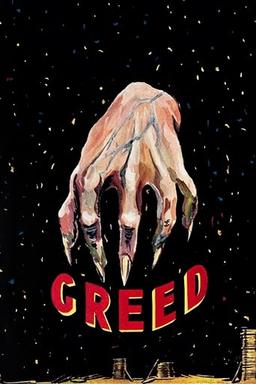
In the midst of the San Francisco gold rush, a man's obsession with wealth and the desire for more leads to his downfall.