Movies and TvShows featuring "part-documentary" theme.
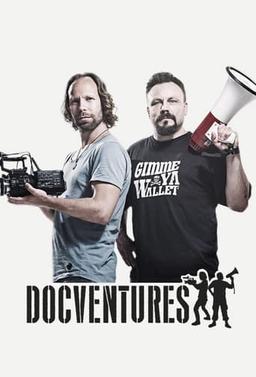
Documents about the surrounding world and Interesting conversation with experts about documentary subjects. Your hosts: Riku Rantala and Tunna Milonoff. Welcome to the journey!
Faces of Death is a notorious documentary that showcases some of the most shocking and disturbing footage of death and violence ever captured on camera. It has sparked debates about the ethics of filming and distributing such content, as well as the line between documentary and fiction. The film includes scenes of executions, autopsies, cannibalism, and other gruesome acts, some of which are staged and some of which are real.
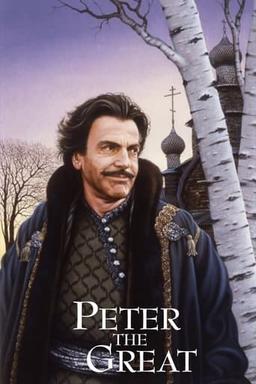
A TV mini-series depicting the life and reign of Peter the Great, the legendary Russian leader of the 18th century. The show explores his rise to power, his political reforms, and his military campaigns.

Speer & Hitler: The Devil's Architect is a TV mini-series that delves into the complex and troubling relationship between Adolf Hitler, the megalomaniacal leader of Nazi Germany, and his architect, Albert Speer. Set against the backdrop of World War II and the rise of fascism, the series follows Speer as he becomes enthralled by Hitler's power and charisma, ultimately leading him to participate in the atrocities of the Third Reich. The show examines themes of mentorship, male bonding, loss of humanity, and the consequences of blind loyalty.

Every summer, the world's top motocross racers come together for the grueling 12-race AMA Outdoor Motocross Championship Series to battle the heat, the tracks and each other. These are just a few of their stories.

Sympathy for the Devil is a documentary that explores the cultural conflicts and political climate of 1960s London. It delves into topics such as democracy, cultural change, and the influence of music on society. The film provides a unique perspective on the counterculture movement and the impact of rock and roll.
In this French Canadian film, the lives of teenagers are examined in fantasy sequences and through the use of documentary interviews. Prompted by the filmmaker, nine teenagers individually act out their secret dreams and, between times, talk about their world as they see it. The fantasy sequences make creative use of animation, unusual film-development techniques, and stills. Babette conceives of herself as an abbess defending her fortress, a convent; Michelle is transported in a dream of love where all time ceases; Philippe is the revolutionary, defeating all the institutions that plague him, and so on, through all their fantasies. All the actual preoccupations of youth are raised: authority, drugs, social conflict, sex. Jutra's style in "Wow" exhibits his innovative approach to storytelling and filmmaking, showcasing his talents as a director during that period. With English subtitles.
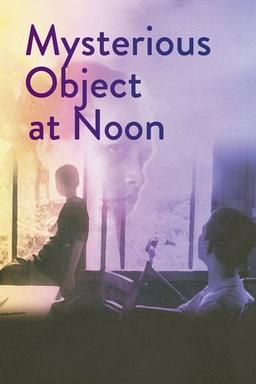
Mysterious Object at Noon tells the story of a small town that is thrown into chaos when a mysterious object appears. The film follows different characters as they navigate through a series of unexpected events and encounters. With elements of documentary and fantasy, this film explores themes of identity, storytelling, and the power of imagination.
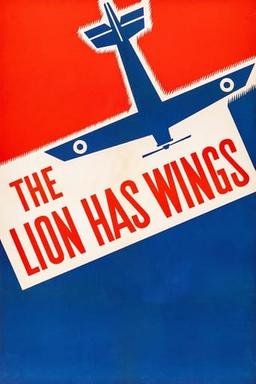
The Lion Has Wings is a propaganda film produced during the early days of World War Two to rally support for the Royal Air Force and the war effort. It showcases the strength and capabilities of the RAF, featuring newsreel footage, demonstrations of fighter aircraft like the Supermarine Spitfire, and scenes depicting manufacturing plants and ammunition production. The film also highlights the importance of air defense and the role of anti-aircraft guns in protecting the country. It includes elements of drama and documentary, portraying the challenges faced by the RAF and the dedication of its pilots and ground crew. The film emphasizes nationalism and the need for unity in the face of the war. It also touches on gas rationing, the impact of the war on families, and the declaration of war on Germany. The Lion Has Wings serves as a powerful propaganda tool, promoting the bravery and heroism of the RAF and instilling a sense of pride and determination in the audience.

Made for the Venice Film Festival's 70th anniversary, seventy filmmakers made a short film between 60 and 90 seconds long on their interpretation of the future of cinema.
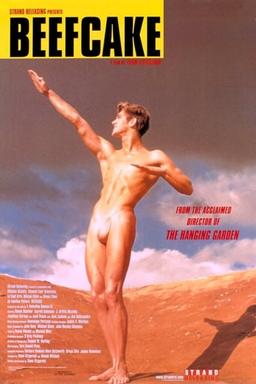
Beefcake is a documentary drama that explores the history of male physique photography. It takes place in various time periods, including the 1930s, 1960s, and 1990s. The story revolves around a young boy who becomes involved in the world of muscle photography and the secrets he uncovers along the way. From posing pouches to tighty-whities, the film delves into the homoeroticism and subculture of the gay magazine industry.

This film claims that the Germanic tribes predated the knowledge of the ancient Egyptian pharaohs, then compares these findings with the contemporary German regime of Adolf Hitler.

Arabian Nights: Volume 3, The Enchanted One(2015)
 88%Tomatometer
Arabian Nights: Volume 3, The Enchanted One is the third installment of the Arabian Nights trilogy. It explores various stories set in different parts of Portugal, focusing on the societal and economic crisis of the country. The film incorporates both fiction and documentary elements, delving into themes of political corruption, social injustice, and the power of storytelling.
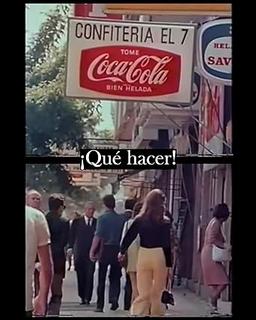
Mordant, self-aware, freighted with sensitivity toward Chile’s problem, wary of caricature, disposed toward consciousness of human fallibility, it is a deft blend of fiction and documentary set in the tumultuous days leading up to the election of Salvador Allende in 1970.

20,000 Days on Earth is a part-documentary, part-fiction film that follows musician Nick Cave on his 20,000th day alive. It blends real moments with fictionalized scenes to provide an intimate and artistic portrayal of Cave's life, relationships, and creative process. The film also features Cave's performances and insightful conversations with friends and collaborators.
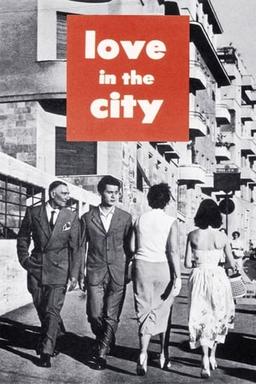
Love in the City is an Italian anthology film set in an urban setting. The movie showcases various stories of love and relationships, including the struggles of a prostitute, an investigative reporter pretending to be a fiance, and an unwed mother. It incorporates documentary-style elements and is based on true stories. The film explores themes of love, street life, and societal issues, providing a glimpse into different aspects of Italian society.

Weaving together fact and fiction, this docudrama performs a portrait of the often seamy underside of the city of Naples.Ferrara traveled to Italy to interview the inmates at the Naples Pozzuoli State Prison, a high security lockup for women, and with the help of a translator he allows a number of women doing time to talk about their lives before and after they were convicted. Ferrara chose to expand the short profile of the prisoners into a feature by offering a look at life in the slums of Naples and the actions of a number of law enforcement officers and social workers struggling to improve conditions for the poor, as well as adding three short fictional segments shot of digital video gear.
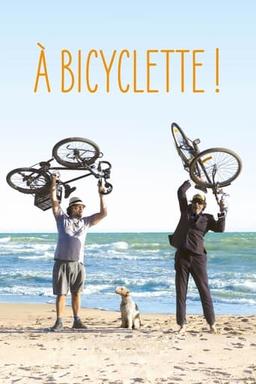
From the Atlantic to the Black Sea, Mathias and Philippe, two old friends, embark on a bicycle journey that Mathias’s son made before his tragic death. The two men ride through the ordeals with tenderness, humor and emotion.

Germany ’09 – 13 Short Films About the State of the Nation(2009)
Thirteen German directors present short films exploring the state of their country.

Jayne takes us on a review of her last world tour. She takes us through Rome, shares a fantasy about Roman athletes, and then is off to Cannes. She takes a trip to the nudist colony on the Isle of Levant, where she almost kind of joins in. Then it's off to Paris, where she gets a beauty treatment from Fernand Aubrey, and attends some racy dance revues. In New York and Los Angeles, she visits some topless clubs and listens to a topless all-girl pop band. The film wraps up with some posthumous footage of her family in mourning.