Movies and TvShows featuring "organic-agriculture" theme.


Within the last half century, our agriculture and food has changed more than it has changed before in several thousand years. New technologies and scientific ingenuity have given rise to genetically modified organisms (GMO) and other novel foods. Some people have raised concerns about the safety of GMOs in our food supply, given their incredible dominance in the majority of our diet. Traditional, organic farmers, have consistently been under attack by large corporate farming interests, who seek to dominate the food industry and run family farms out of business. This film looks at our current food system as well as a variety of smaller, organic options available to consumers who want to support sustainable farming methods.

Vanishing of the Bees is a documentary that explores the phenomenon of colony collapse disorder and its devastating effect on honey bees and the environment. It highlights the role of pesticides, monoculture farming, and the importance of pollination in our food system. The film also delves into the history of beekeeping and the efforts of beekeepers and scientists to protect these essential insects.

Behind the back of her father, a big tradesman of organic food, a young journalist investigates the farmers which supply him. And she discovers an unexpected secret.

The Agro Rebel follows the story of a farmer in the Salzburg Alps who rebels against conventional farming practices and embraces permaculture. The documentary showcases his journey as he transforms his remote farm into a sustainable and organic agricultural paradise. With breathtaking views of the Alps Mountains, this film highlights the importance of sustainable farming and the impact it can have on our environment.
Food, Inc. explores the shocking truth about the food industry, uncovering the dark secrets behind our food supply. From the exploitation of workers to the environmental impact of factory farming, this film exposes the hidden costs of our modern food system.

More Than Honey is a documentary that explores the decline of honeybee populations worldwide and the potential consequences for agriculture and the environment. The film delves into the complex relationship between humans and bees, highlighting the crucial role that bees play in pollination and the food chain. It also examines the various factors contributing to the decline of honeybees, including pesticides, colony collapse disorder, and the spread of killer bees. Through interviews with beekeepers, scientists, and farmers, More Than Honey sheds light on the importance of protecting bees and the urgent need for sustainable beekeeping practices.

Bill Mollison's Permaculture Course
73 Cows is a thought-provoking documentary that reveals the story of a farmer who embarks on a journey of compassion and ethical awakening. The film showcases his struggle with the traditional beef farming industry and his decision to set free the cows he once raised for slaughter, ultimately transitioning to organic agriculture.
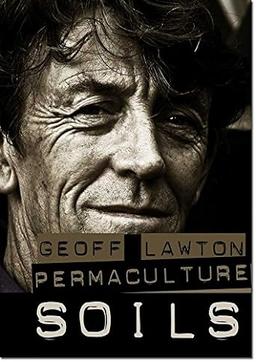
Permaculture Soils takes an in-depth look at the world of permaculture and its impact on sustainable agriculture. The film showcases the importance of healthy soils and explores various techniques and practices used in permaculture gardening and farming. It delves into the science of microbiology and soil science, highlighting the crucial role they play in creating and maintaining a thriving ecosystem. Join us on this journey to discover the secrets of permaculture soils and how they contribute to a more sustainable future.

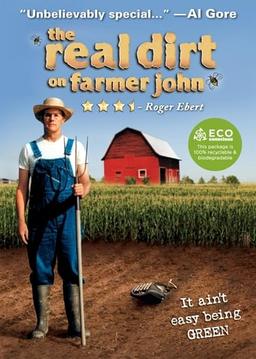
The Real Dirt on Farmer John is a documentary film that tells the story of Farmer John Peterson and his journey as an unconventional farmer. The film explores his struggles with the decline of family farms, his transformation into an organic farmer, and the challenges he faces. It also delves into his personal life, his connection with the land, and the community that supports him.


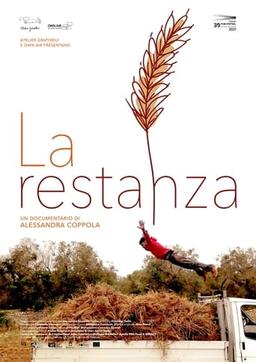
Castiglione d'Otranto, in the South of Italy. A group of thirty-year-olds no longer accept that the solution to the economic, ecological and political problems of the territory is always "to leave". They propose to the villagers who own pieces of uncultivated land, often felt as a burden, to put them in common. They decide to stay, to link their lives to the land and to invest in a value: being together. Castiglione becomes the village of restance. They cultivate ancient seeds and local biodiversity, they make decisions together, they develop a local economy. Accepting the shadows of the past, another potential of the place is rediscovered.

Documentary that tells the story of Steiner’s remarkable life (1861-1925), as well as exploring the influence of his ideas and insights on a whole range of contemporary activities – education, agriculture, medicine, social and financial issues, and the arts. PART ONE describes Steiner’s childhood as the son of a humble railway official, growing up in the Austrian countryside, and his student years in Vienna towards the end of the 19th century. Hugely influenced by Goethe’s scientific writings, he was gradually able to reconcile the powerful spiritual experiences he had had since childhood with his interest in science and philosophy. PART TWO looks initially at the subject of reincarnation and karma, with film at a prison in South Wales, at Ruskin Mill in Gloucestershire – a college for disadvantaged youngsters. In the USA there are scenes at a biodynamic winery in California. Also featured are examples of Waldorf educational ideas being introduced into mainstream schooling.
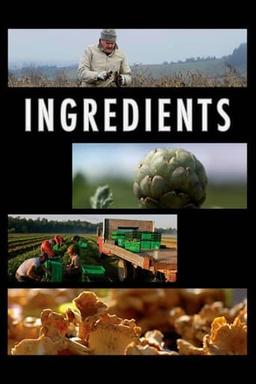
At the focal point of this movement, and of this film, are the farmers and chefs who are creating a truly sustainable food system. Their collaborative work has resulted in great tasting food and an explosion of consumer awareness about the benefits of eating local. Attention being paid to the local food movement comes at a time when the failings of our current industrialized food system are becoming all too clear. For the first time in history, our children's generation is expected to have a shorter lifespan than our own. The quality, taste and nutritional value of the food we eat has dropped sharply over the last fifty years. Shipped from ever-greater distances, we have literally lost sight of where our food comes from and in the process, we've lost a vital connection to our local community and to our health.
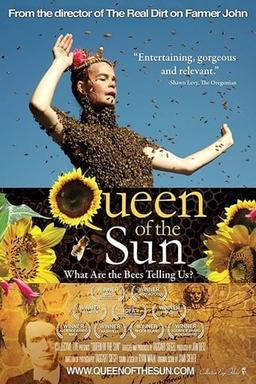
In 1923, Rudolf Steiner, an Austrian scientist, philosopher & social innovator, predicted that in 80 to 100 years honeybees would collapse. Now, beekeepers around the United States and around the world are reporting an incredible loss of honeybees, a phenomenon deemed "Colony Collapse Disorder." This "pandemic" is indicated by bees disappearing in mass numbers from their hives with no clear single explanation. The queen is there, honey is there, but the bees are gone. For the first time, in an alarming inquiry into the insights behind Steiner's prediction QUEEN OF THE SUN: What Are the Bees Telling Us? investigates the long-term causes behind the dire global bee crisis through the eyes of biodynamic beekeepers, commercial beekeepers, scientists and philosophers.