Movies and TvShows featuring "operation-condor" theme.

In 1988, Chilean dictator Pinochet holds a referendum on his presidency. A clever and unorthodox advertising campaign tries to convince the Chilean people to vote 'no' and oust the dictator. The campaign faces government intimidation, police riots, and threats from the opposition. The protagonist, an advertising director, navigates through a treacherous political landscape while facing personal challenges.

In this suspense story, the main character, Johann Neudorff, immigrated to Argentina from Germany after World War Two, and has become a successful businessman there. He is unconcerned with the nature of the government there, which at the time of this film (1978) is a military dictatorship. His comfortable existence is disrupted when he discovers that his beloved daughter Laura has become the lover of a political activist who is on the military's hit list. When his daughter is kidnapped, Johann attempts to use his government connections to free both her and her lover. However, his son Alfredo undermines his efforts, and Johann himself is incarcerated in a military prison, but not before he discovers that his daughter and her lover are both dead, killed by the regime.

An American couple in Chile is drawn into the turmoil that followed President Salvador Allende's 1973 overthrow.

The Official Story(1985)
 100%Tomatometer
In Argentina during the 1980s military dictatorship, a high school teacher named Alicia becomes increasingly obsessed with uncovering the truth about her adopted daughter's parents. As she delves deeper, she discovers family secrets and uncovers the dark history of the military junta's crimes against humanity. The Official Story is a powerful and emotional drama that explores themes of identity, truth, and the consequences of living under a repressive regime.
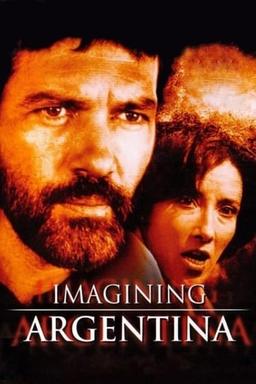
Imagining Argentina is a movie set in Buenos Aires during the 1970s military dictatorship. It follows a man who discovers he has supernatural powers that allow him to see the fate of the people who have been disappeared by the regime. With his abilities, he tries to find his kidnapped wife and daughter and help others reunite with their loved ones. The story explores themes of power, violence, and the struggle for freedom.
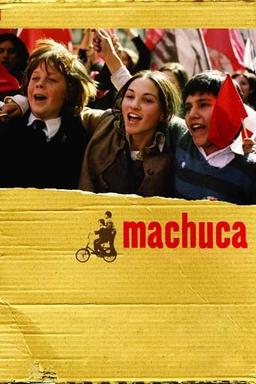
Machuca is a heartwarming drama set in 1970s Chile during the political turmoil of the Pinochet regime. It follows the friendship between two classmates from different social backgrounds, Pedro and Gonzalo, at a private school. Their lives are forever changed when they befriend a new student, Machuca, who comes from a lower-class neighborhood. As the country faces a military coup and violent demonstrations, the three boys navigate the challenges of growing up amidst social conflicts, family struggles, and their own personal demons.
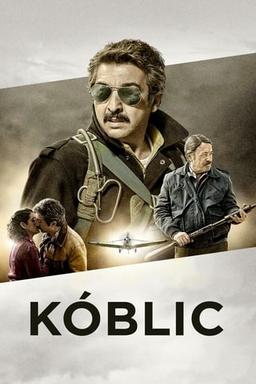
Kóblic is a modern-western crime thriller set in 1970s Argentina during the military dictatorship. The story follows a guilt-ridden pilot named Kóblic who becomes a fugitive after refusing to participate in state crimes. As he tries to escape his haunted past, Kóblic finds himself caught in a web of violence and must confront the dark secrets of his country's history.
A businessman searches for his missing father in Chile during the aftermath of a military coup.

A vigilante, haunted by personal tragedy, sets out to expose a sadistic killer who targets innocent victims. As the vigilante delves deeper into the investigation, he discovers a web of corruption and organized crime. With his own sense of justice, he seeks to bring the killer to justice and find redemption.

Four Days in September tells the story of a group of Brazilian political prisoners who kidnap the American ambassador in an attempt to free their comrades and fight against the oppressive military dictatorship. As tensions rise and time runs out, the characters face difficult choices and struggle with the consequences of their actions.
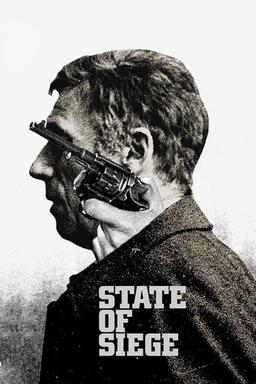
State of Siege follows the events surrounding a kidnapping in Uruguay during the state of siege imposed by the military government. As a siege mentality develops in the country, an American official joins forces with local police to uncover the truth behind the abduction and the oppressive regime. With themes of dictatorship, guerrilla warfare, and undercover operations, the movie explores the fight against fascism and the corrupting influence of capitalism.

The Dancer Upstairs is a political thriller set in an unnamed Latin American country, where a police detective named Agustín Rejas is investigating a series of crimes committed by a group of guerilla revolutionaries known as the Sendero Luminoso. As Rejas gets closer to capturing the group's leader, he must also navigate the political turmoil of his country and confront his own personal demons.
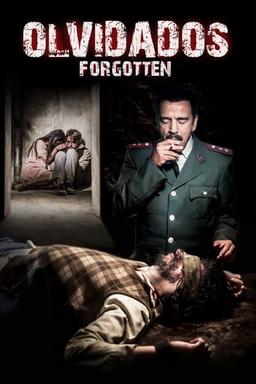
José, a Bolivian retired general, is lying on his deathbed after a heart attack. Tormented by memories of his involvement in Operation Condor and invaded by deep remorse, he decides to tell his only son his biggest secrets in search of redemption.

Spider is a gripping movie set in 1970s Chile, revolving around a female executive caught in a dangerous web of murder, betrayal, and political intrigue amidst the rise of fascism. With a love triangle, violence, and intense husband-wife relationships, the movie explores the dark underbelly of a society gripped by political turmoil.
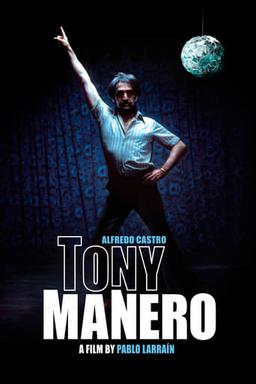
Set in 1978 Santiago, Chile, Tony Manero tells the story of Raul Peralta, a sociopath who becomes obsessed with impersonating Tony Manero, the character from Saturday Night Fever. As Raul dives deeper into his obsession, he becomes willing to commit murder to achieve his dreams of becoming the ultimate Tony Manero.
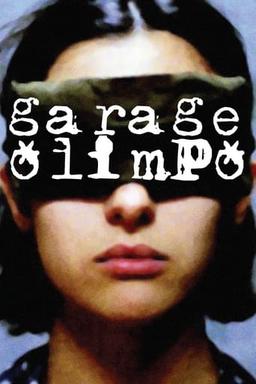
During Argentina's military dictatorship in the 1970s, a political activist is kidnapped, tortured, and interrogated by the government's agents.
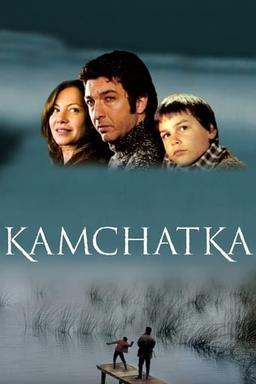
In the midst of Argentina's military coup in 1976, a young boy named Harry along with his family goes into hiding in Kamchatka, a remote area of the country. As they try to adapt to their new life while constantly living in fear, Harry finds solace in his friendship with fellow classmates and his moments of escapism through playing games and emulating Harry Houdini. The film explores the themes of resilience, family bonds, and the power of imagination amidst a backdrop of political instability and repression.
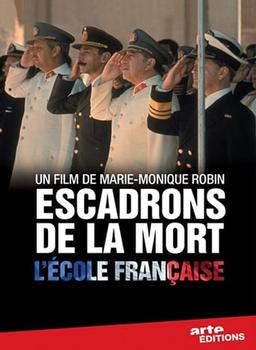
Death Squads: The French School (2003) is a documentary that delves into the history of political repression, state terrorism, and military training in Latin America during the Cold War era. It focuses on the formation and actions of death squads, the French military's role in training Latin American military personnel, and the severe human rights abuses that occurred during this period. The film explores topics such as decolonization, coup d'état, police brutality, and the suppression of political dissent. Through interviews, archival footage, and expert analysis, Death Squads: The French School paints a grim portrait of the institutional brutality and cruelty that characterized this dark period in Latin American history.
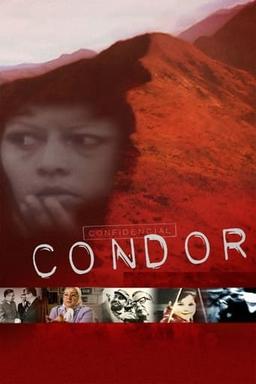
Condor is a documentary film that explores the political persecution and military coup in Latin America during the infamous Operation Condor. It takes a closer look at the role of the CIA and the consequences of dictatorship in the region.

Post Mortem is a movie set in 1970s Chile, during the aftermath of a military coup d'etat. The story follows the life of a morgue employee whose obsession with a showgirl leads him into dangerous territory. As he becomes entangled in the political turmoil and repression of the time, he is forced to confront the dark realities of his own desires and the violent forces shaping his country.