Movies and TvShows featuring "olympic-games-official-film" theme.
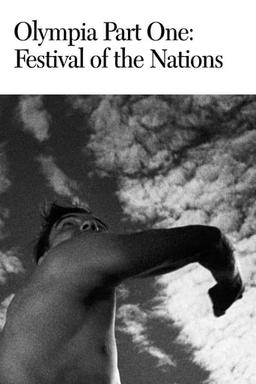
Olympia: Part One – Festival of the Nations(1938)
 89%Tomatometer
Olympia Part One: Festival of the Nations is a poetic documentary that showcases the beauty and athleticism of the 1936 Berlin Olympics. The film captures the interwar period of Nazi Germany and emphasizes the fascist aesthetic of the event. It features stunning slow-motion shots of track and field events, including hurdles, marathons, triple jumps, shot puts, and relay races. The documentary also highlights the performances of legendary athletes like Jesse Owens and the propaganda surrounding the Olympic Games. Olympia Part One: Festival of the Nations explores the nationalistic and xenophobic sentiments of Nazi Germany during this time.
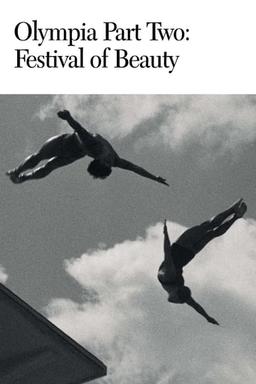
Olympia Part Two: Festival of Beauty is a poetic documentary that captures the spirit and beauty of the 1936 Summer Olympics. It showcases the physical training, gymnastics, track and field events, and horseback riding that took place during the prestigious sporting event. Alongside the athletic feats, the documentary also explores the underlying propaganda and nationalism associated with the Olympics under the influence of the Nazi regime. Through stunning visuals and a captivating narrative, it invites the audience to reflect on the power and significance of sports in society.

A documentary covering the 1998 Olympic Games in Nagano, filmed for IMAX presentations.
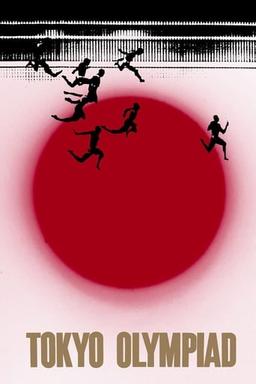
Tokyo Olympiad is a documentary film that showcases the 1964 Summer Olympic Games in Tokyo, Japan. The film captures the efforts, struggles, and triumphs of athletes from different nations competing in various sports. It provides a visual portrayal of the international competition and the intense dedication of the athletes, highlighting both the physicality and the spirit of the Olympic Games.
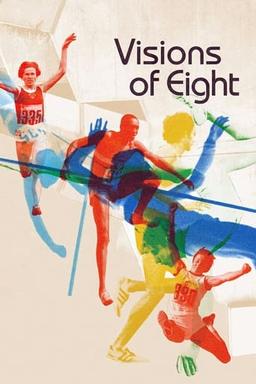
Visions of Eight is a documentary anthology film that captures the essence and spirit of the 1972 Olympic Games in Munich. Through a collection of short films, the movie explores the experiences, struggles, triumphs, and ironies of various athletes competing in the games. From the thrilling moments of marathon races and pole vaulting to the intense wrestling matches, the film offers a unique and immersive perspective on the world of sports.

Edited from almost 100 km of film footage shot during the Games, this feature documentary is a breathtaking portrait of the 1976 Montreal Olympics. Much more than a simple record of the Games, the film approaches each event with the intention of revealing the athlete - whether winner or loser - as a unique individual.
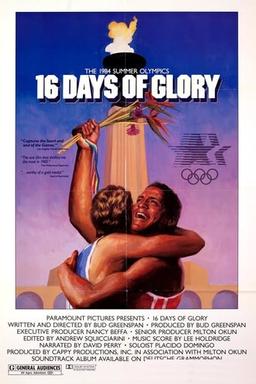
16 Days of Glory is a documentary film that provides a behind-the-scenes look at the 1984 Los Angeles Olympic Games, showcasing the triumphs and challenges of athletes from around the world. With stunning visuals and captivating narration, the film captures the spirit of the Games and the legacy they left behind.

A 1981 documentary film directed by Yuri Ozerov. It showed the opening and closing ceremonies of the 1980 Summer Olympics held in Moscow. The director was awarded the State Prize of the USSR in 1982. The film was selected as the Soviet entry for the Best Foreign Language Film at the 54th Academy Awards, but was not accepted as a nominee.

A documentary covering the 1960 Winter Olympic Games in Squaw Valley, California.

British documentary filmmaker and producer Tony Maylam reinvigorated the sports documentary genre with WHITE ROCK, an idiosyncratic and utterly engaging account of the XII Olympic Winter Games Innsbruck 1976. He did so by placing music (by organ and synth wunderkind Rick Wakeman) front and center, and by using Hollywood star James Coburn as a "guide for the uninitiated."
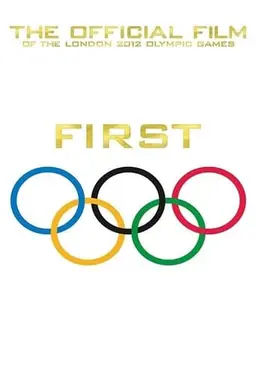
The Official Film of the XXXth Olympic Games to be held in London, following the stories of twelve first-time Olympians from around the world.

Events and athletes that characterized the 1960 Summer Olympics in Rome. From the absolute protagonist Wilma Rudolph, called the black gazelle, to Livio Berruti, the first white to win the 200 meters, to the deeds of Ethiopian marathon runner Abebe Bikila, who won the marathon racing barefoot.

Film about the 10th Olympic Games in Grenoble in 1968. Using a subjective camera, Ertaud and Languepin take the pulse of the Games, cutting out the eyes and slowing down the movement when necessary. The dominant figure at the Grenoble Winter Games is Frenchman Jean-Claude Killy, whose three gold medals matched Toni Sailer's 1956 feat. The filmmakers bet on his winning streak, and include commentary from him as he prepares for each race. Another athlete, Marielle Goitschel, is treated insightfully on screen and wins the women's slalom. Ice dancing fans will appreciate the coverage of winner Oleg Protopopov and his partner Ludmila Belousova. President Charles De Gaulle was present for the spectacular Opening Ceremony.

A documentary covering the 1948 Olympic Games in St. Moritz, Switzerland, and London, England.

Official Film of the Olympic Games Tokyo 2020 Side A(2022)
Follows Japanese director Naomi Kawase as she directs the official film of the Tokyo 2020 Olympic Games, giving a message that goes beyond the physical exploit to mark souls, with her style and all her subtlety.

A profile of the 1928 Olympic Games in St. Moritz, Switzerland.

A documentary on the 1924 Olympic Game in Paris.

A documentary covering the 2008 Olympic Games in Beijing.

A documentary covering the 1992 Olympic Games in Albertville.

Bud Greenspan’s Torino 2006: Stories of Olympic Glory(2007)
A documentary covering the 2006 Olympic Games in Turin.