Movies and TvShows featuring "nsdap" theme.
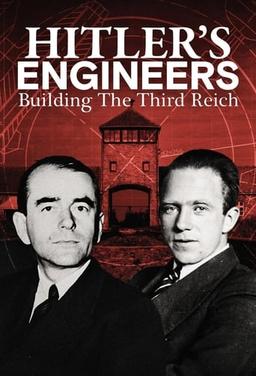
Meet the architects behind the Nazi war machine. The Führer's most prominent planners, designers, architects, and builders tried to downplay their role in the Holocaust, but the truth is now exposed.

Power, terror, performance. These notions define our perception of Adolf Hitler and the Nazi Party at the height of the Third Reich. But behind these impressions Hitler was a rather ordinary man. This compelling new series tells the story of one of the most comprehensive, wide-reaching, and successful marketing campaigns in modern history. It describes in a whole new way the rise of Adolf Hitler.

These are the stories of those who lived through Hitler's Germany. They are the lucky who survived to tell their stories, whether they were persecuted Jews or the Reich's harassed opeposition. Told only with archival documents, this series is a deeply moving account of Germany and the Third Reich through the eyes of the oppressed, as they watched their country as it was crushed by dictatorship.

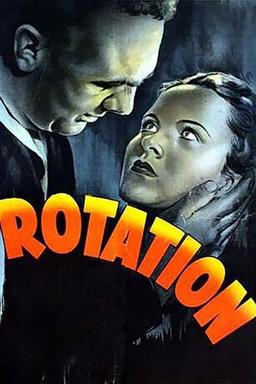
The mechanic Behnke wants to join the Nazi party to secure a good living. However, after his Jewish neighbors have been taken away, he changes his views. Trying to remain "a non-political man," he withdraws from reality and becomes a Nazis laborer.


Their names were Herta, Liesel, Liselotte and Hildegard: Hundreds of thousands of women, including secretaries, nurses, housewives and concentration camp guards, put themselves in the service of Nazi ideology in the German-occupied areas from 1939 onwards. The women were not passive witnesses to a genocide committed by men, but active accomplices and murderers. In the history of the Second World War, the role of women was often only marginally recognized. Around 500,000 of them were active in the areas occupied by the Wehrmacht from 1939 - where the Holocaust was actually implemented.

With her slap of the Federal Chancellor Kurt Georg Kiesinger in 1968, Beate Klarsfeld abruptly got known worldwide. The film highlights the significance of this act and its background. Beate Klarsfeld, born in Berlin in 1939 as Beate Künzel, is primarily known to people as "the woman with the slap" and as the Nazi hunter. In 1960 she went to Paris and met her future husband Serge Klarsfeld, whose father was deported to Auschwitz and murdered there. She was confronted with the darkest part of German history, about which she had learned nothing at school. Serge gave her books to read and made her actively deal with them. Since then, she has not let go of dealing with the crimes of the Nazi era. For them, it was always about "responsibility, not guilt".


The Goebbels Experiment is a documentary that delves into the life of Paul Joseph Goebbels, the minister of propaganda in Nazi Germany. Through his diaries, speeches, and interviews, the film explores Goebbels' rise to power, his role in promoting Nazi ideology, and the psychological warfare tactics he employed. It also sheds light on his family relationships, delusions, and the impact of his propaganda on society. The documentary provides a comprehensive look into the life of one of the key figures of the Nazi regime.

The night of November 8, 1923, is arguably the most significant and transformative in the history of the twentieth century. A localised uprising in the Bavarian capital of Munich, led by a small man with a toothbrush moustache and a poisonous yet compelling grandiloquence, would have repercussions that would lead to the political shackling of an entire nation, the most abhorrent crimes of the century and a world war. You might say, Adolf Hitler came of age amid the smell of sweat and sawdust of a Munich beer hall. In the political chaos of 1923, he was a local irritant, gaining popularity among workers and soldiers, the ethos of his Nazi Party spreading like a virus. His first attempt at attaining true power came with an attempted putsch on the already separatist government of Bavaria, which left him imprisoned.


A year that changed a city - and the world - forever. Hitler's rise to power, told through the letters and diaries of those who lived through a fateful turning point in history.
No More results found.