Movies and TvShows featuring "nazi-party" theme.
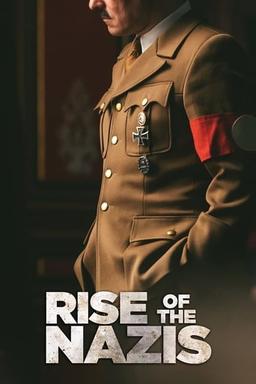
Rise of the Nazis is a TV show that delves into the events leading up to the rise of the Nazi party in Germany during the 1930s. It examines the political intrigue, the totalitarian regime, and the ideologies that paved the way for one of history's most infamous dictatorships.
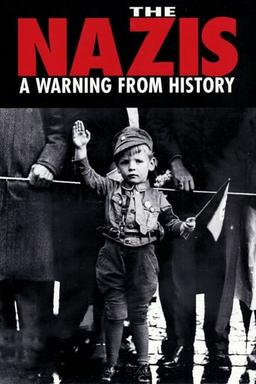
This documentary TV show delves into the origins of Nazi ideology, tracing its roots back to the 1930s and 1940s. It highlights the brutal actions of the Nazi party and the devastating impact of World War II, including the Holocaust.


Before the Fall follows the story of an elite-unit boxer who must confront his estranged father, a high-ranking Nazi officer, while dealing with his own inner demons. Set in Nazi Germany in the 1940s, the film explores themes of friendship, sacrifice, and the struggle between duty and personal convictions.

Triumph of the Will is a documentary film directed by Leni Riefenstahl that showcases the 1934 Nazi Party Congress in Nuremberg, Germany. The film serves as a landmark piece of Nazi propaganda, highlighting Adolf Hitler's charisma and the Nazi Party's efforts to establish a totalitarian state. It features extensive footage of mass rallies, military displays, and elaborate parades, all designed to glorify the Nazi regime and create a sense of unity and power.

In this drama, an American art student is trapped amidst the political turmoil of war-torn Europe while visiting Paris and staying at the fabulous Ritz hotel. Rather than cope constructively with it all, the fellow opts to ignore it and continue living the high-life for as long as possible.
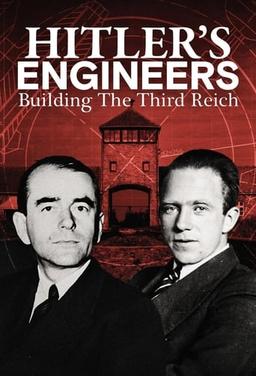
Meet the architects behind the Nazi war machine. The Führer's most prominent planners, designers, architects, and builders tried to downplay their role in the Holocaust, but the truth is now exposed.
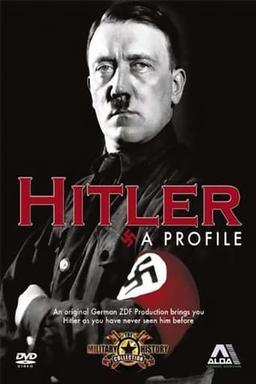
No other person in the twentieth century has triggered more discussions among biographers and historians than Adolf Hitler. More than 120.000 books and articles on the dictator that have appeared in the past 50 years have documented the full extent of the most horrible crimes in history that were committed by him and his followers. Developed with the assistance of internationally renowned historians, using newly discovered documents, films, sound recordings and interviews with eye-witnesses, relatives, and victims, 'Hitler - A Profile' is the first comprehensive television portrait of the German dictator. Each episode focuses on one character aspect of the man who plunged an entire nation into collective madness and unparalleled savagery.
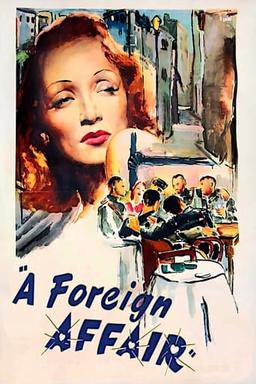
A Foreign Affair is a comedy-drama film set in post-war Germany. It follows the story of an American captain who falls in love with a German cabaret singer while investigating the immoral activities of an American congressman. The captain must navigate the complexities of love and espionage in a war-torn country.

Portraits of important people in Nazi-Germany.
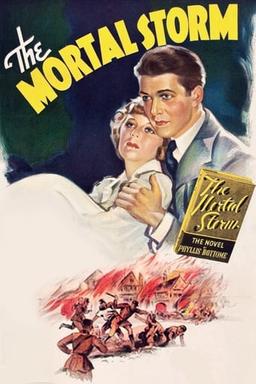
Set in Nazi Germany, a professor and his family face persecution and intimidation as they navigate the rise of national socialism and anti-Semitism. Their lives are turned upside down as they struggle to survive in a society ruled by the Nazi Party.
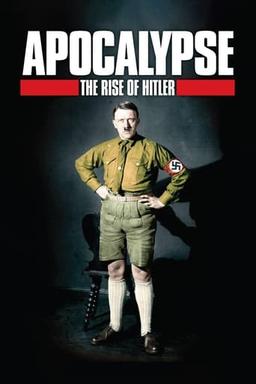
Apocalypse: The Rise of Hitler is a TV show that explores the life of Adolf Hitler and his journey to power as the leader of Nazi Germany. It delves into the political, economic, and social factors that contributed to Hitler's rise and the impact he had on Europe and the world during the 20th century.

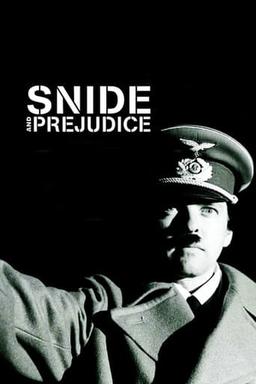
At a mental institution, the resident physician, Dr Cohen, encourages his patients who believe they are important Nazi figures to act out their fantasies. The therapy sessions show Hitler consolidating his power by assembling his gang of supporters; however, they are interrupted at times, once because Davidson's uniform is at the dry cleaners, and another time because a patient who believes he is Picasso interrupts a session.

Triumph Over Violence is a powerful documentary that explores the political crimes and atrocities committed by the Nazi regime during the 1930s and 1940s. Through a compilation of footage, the film exposes the megalomaniacal nature of fascist leaders, the ideology of Nazism, and the devastating consequences of their actions.
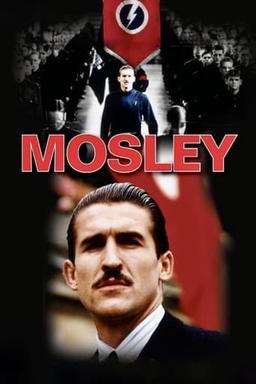
Sir Oswald Mosley was a man who should have ranked with the heroes of the century... Instead his personal life and public career ended in disgrace and Mosley is now remembered as the leader of a dictatorial populist movement in the decade before WWII.

Power, terror, performance. These notions define our perception of Adolf Hitler and the Nazi Party at the height of the Third Reich. But behind these impressions Hitler was a rather ordinary man. This compelling new series tells the story of one of the most comprehensive, wide-reaching, and successful marketing campaigns in modern history. It describes in a whole new way the rise of Adolf Hitler.

1939: Rome stands on the brink of World War II. In the midst of this political and social tension famed producer Davide Rieta is making a major film. The two lead actors, the German woman Kristina Baumgarten and the English man James Clavel ace each others' initial antagonism and eventually fall in love. Meanwhile the fascist police are looking for an excuse to arrest the Jewish filmmaker and any other potential "troublemakers." The producer and his crew decide to make one final extraordinary effort to complete the film - against all odds.

Hitler's Hollywood is a documentary that examines the role of filmmaking as a tool for propaganda in Nazi Germany during the 1930s and 1940s. Through archive footage and interviews, the film explores the influence of Joseph Goebbels, Adolf Hitler, and the Nazi Party in shaping the German film industry and its impact on society. From lighthearted comedies to epic war films, Hitler's Hollywood delves into the techniques and themes used in Nazi propaganda filmmaking, revealing the darker side of the glamorous world of show business under totalitarian rule.

Adolf Hitler - Ein Volk, ein Reich, ein Führer: Dokumente der Zeitgeschichte(1953)
The film begins with the First World War and ends in 1945. Without exception, recordings from this period were used, which came from weekly news reports from different countries. Previously unpublished scenes about the private life of Adolf Hitler and Eva Braun were also shown for the first time. The film was originally built into a frame story. The Off Commentary begins with the words: "This film [...] is a document of delusion that on the way to power tore an entire people and a whole world into disaster. This film portrays the suffering of a generation that only ended five to twelve. " The film premiered in Cologne on November 20, 1953, but was immediately banned by Federal Interior Minister Gerhard Schröder in agreement with the interior ministers of the federal states of the Federal Republic of Germany.
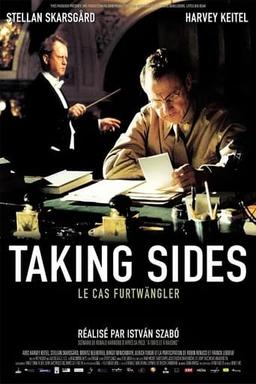
Taking Sides is a drama movie set in post-World War II Berlin. The story revolves around Major Steve Arnold, a U.S. Army officer assigned to investigate Wilhelm Furtwängler, a famous German conductor accused of collaborating with the Nazi regime. As Arnold delves deeper into the case, he becomes conflicted as he uncovers the complexities of Furtwängler's actions during the war and the impact it had on his career. The movie explores themes of morality, art, and personal convictions.