Movies and TvShows featuring "native-american-culture" theme.
Leaphorn and Chee, two Navajo police officers, find themselves questioning their spiritual beliefs as they delve into a double murder investigation in the 1970s Southwest.

Maya Lopez must face her past, reconnect with her Native American roots, and embrace the meaning of family and community if she ever hopes to move forward.

In her journey, Pocahontas and her spiritual companion Hopi Ho, get the chance to become acquainted with the different ways of living of the different American Indian tribes that they visit.

A divorced man living in New York City discovers that he has a teenage son who has been raised by a tribe in the jungle. He brings the boy back to the city and attempts to reconnect with him while dealing with cultural clashes and the challenges of raising a teenager.
The Far Horizons (1955) is a movie based on the true story of the Lewis and Clark expedition in the 1800s. The film follows the journey of Captain Meriwether Lewis, Lieutenant William Clark, and their men as they explore the western territories of the United States. Along the way, they encounter Native American tribes, face challenges and conflicts, and make important discoveries. The movie also explores the interracial relationship between explorer Sacagawea and her husband Toussaint Charbonneau. The Far Horizons is a classical Western with a focus on adventure, exploration, and the history of the USA.
Delve into the power and significance of myths and their influence on human culture and understanding through interviews with renowned scholars and storytellers.

Over a 50-year career and more than a hundred movies, filmmaker John Ford (1894-1973) forged the legend of the Far West. By giving a face to the underprivileged, from humble cowboys to persecuted minorities, he revealed like no one else the great social divisions that existed and still exist in the United States. More than four decades after his death, what remains of his legacy and humanistic values in the memory of those who love his work?
In 17th-century Virginia, an explorer captures a native American princess, leading to a battle between the native Americans and the colonists. Meanwhile, an epic love story unfolds between the explorer and the princess amidst the backdrop of colonialism and interracial romance.

Homeland is a powerful documentary that delves into the lives of Native Americans living on the Pine Ridge Reservation in South Dakota. It highlights the social issues, poverty, and broken homes that many face, as well as the hope and resilience they hold onto.
Windwalker is a movie set in the 18th century about a Native American patriarch who sets out on a journey to find his twin sons, who were kidnapped by a rival tribe. Along the way, he encounters various challenges, explores the indigenous culture, and faces the forces of nature.

An ancient Chippewa demon, the WINDIGO, is resurrected by a Native American teenager and his grandmother to protect their family after a run-in with back-woods meth dealers. They soon discover that the creature’s lust for killing cannot be controlled. As each killing bonds the teen and the Windigo ever closer, the family must find a way to break the curse before all of them become the blood-thirsty creature’s next victims.
In The Emerald Forest, a teenage boy named Tommy is abducted while traveling with his family in the Amazon rainforest. He is raised by an indigenous tribe, learning their language and customs. Years later, Tommy's father, engineer Bill Markham, discovers that his son is still alive and embarks on a mission to find him. The film explores themes of deforestation, the clash of cultures, and the bond between a father and his son.
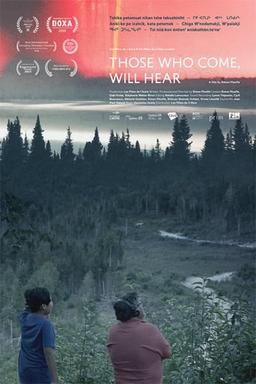
Those Who Come, Will Hear is a documentary that focuses on the challenges faced by native communities in Canada as they strive to preserve their languages, traditions, and cultural identity in the face of colonization and modernization. The film explores the importance of oral tradition, the decline of native languages, the impact of education systems on indigenous communities, and the efforts made by elders to pass on their knowledge to the next generation. It also highlights the resilience and vitality of native cultures and the threat they face in the modern world.

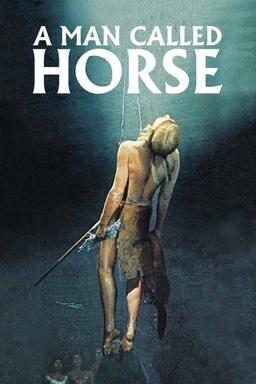
In 1825, a British aristocrat named John Morgan is captured by a Sioux tribe in Dakota Territory. At first, he struggles to adapt to their customs and way of life, but eventually earns their respect and becomes one of them.
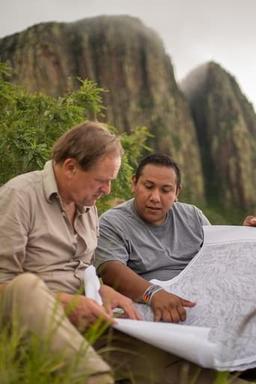
A Danish writer travels to Mexico with the purpose of locating a mysterious Apache tribe that fervently seeks to remain in obscurity.

In the 17th century, a Native American tribe's peaceful existence is disrupted by the arrival of European colonizers. A student and teacher clash over cultural assimilation, while a missionary aims to convert the tribe. Amidst the conflict, a wolf is killed and tensions escalate, leading to a tragic murder and the threat of cultural genocide.
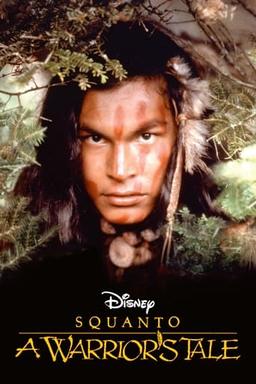
Squanto, a Native American warrior, is captured by English settlers and taken to England. After escaping, he returns to his native land and must navigate between the English settlers and his own people, struggling to find peace and understanding.

The history of Europeans in North America, from the arrival of Columbus in 1492 to the business success of German immigrants such as Heinz, Strauss or Friedrich Trumpf, Donald Trump's grandfather. During the 19th century, thirty million people — Germans, Irish, Scots, Russians, Hungarians, Italians and many others — left the old continent, fleeing poverty, racism or political repression, hoping to make a fortune and realize the American dream.