Movies and TvShows featuring "movement" theme.

Three families struggle to find their true selves and their soulmates in a world full of expectations, pressure and obstacles. Inspired by real events, this film shows how they pursue their dreams and potential without losing themselves.
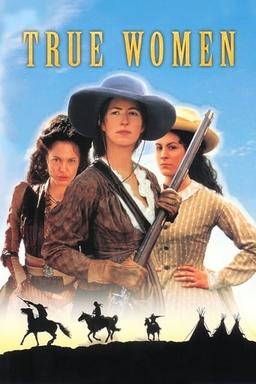

True Women is a TV mini-series that follows the lives of four women as they navigate through the challenges and triumphs of life in 19th century America. From the cotton fields of the South to the battlefields of the Civil War, their stories intertwine with themes of friendship, courage, determination, and women's rights.

All By Myself: The Eartha Kitt Story (1982) is a documentary that delves into the life and career of Eartha Kitt, a legendary performer and activist. Through interviews, archival footage, and performance clips, the film provides a comprehensive portrait of Kitt's journey, showcasing her talent, fame, and the impact she made on popular culture, politics, and artistic movements. It explores her multifaceted talent as a singer, actress, dancer, and poet, as well as her outspoken advocacy for civil rights and inclusion. All By Myself offers a deep dive into the life of a remarkable woman who defied societal expectations and left an indelible mark on the world.

Warm up to a different tomorrow with this short docuseries of personal reflections expressed through words, movement & dance. An experimental collaboration between writers and creative movers from around the world during the first covid-19 lockdown, in spring & summer 2020. From visualization to embodiment, from letters of love to sobering realizations, we're reminded in times of extreme uncertainty that a basic human need emerges... that of reimagining the future. Eight stand-alone episodes created together while being apart - in Lebanon, France, Iran, Jordan and the USA.
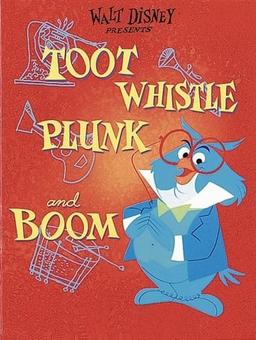
Toot, Whistle, Plunk and Boom is an animated short film that follows the comedic journey of a music teacher as he educates his students about the history of music. Through various animated sequences, the film explores different musical instruments, orchestras, and music genres. The teacher encounters humorous situations and engages in a mix of singing, dancing, and playing music to teach his students. The film combines educational elements with comedy and music to create an entertaining and informative experience for viewers.

In this hilarious and heartwarming film, Budimir Trajković navigates the ups and downs of teenage love, with all its awkward moments, unexpected encounters, and profound revelations. From his awkward encounters on an airplane to his steamy romance in a skyscraper elevator, Budimir's love life takes him on a wild and unforgettable journey of self-discovery and growth.

A mute scientist in Brooklyn discovers the transformative power of dance and sign language. With the help of a disco dance teacher, he enters a dance contest and learns to communicate through movement. Along the way, he faces challenges and overcomes personal obstacles, eventually finding love and acceptance.
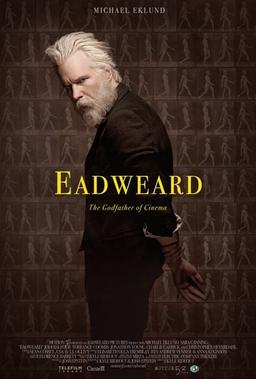
Eadweard is a biographical film about Eadweard Muybridge, a pioneer in photography and motion pictures in the late 19th century. It explores his life, including his groundbreaking work, personal struggles, and involvement in a historic event.
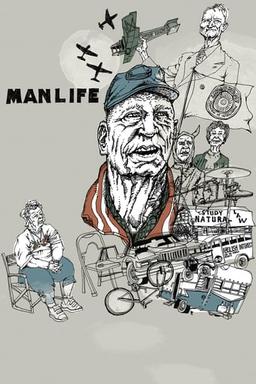
Manlife is a captivating documentary that follows the life of a man as he navigates through the challenges of aging, the complexities of romance, and the allure of a utopian movement in Wisconsin. With vintage aircraft as a backdrop, this film delves into the depths of human relationships and the impact of pseudoscience on the individual.

In this dark and unsettling movie, a girl's nightmare comes to life as she experiences a series of bizarre and frightening events. The film explores themes of fear, dreams, and the subconscious mind through its haunting visuals and operatic singing.

Hitler Youth Quex is a propaganda film released in 1933 that follows the story of a teenage boy who becomes a hero in the Hitler Youth movement. The film depicts his journey from poverty and communist supporter to an enthusiastic participant in the Nazi movement. It emphasizes the clash between the ideals of the Weimar Republic and the Nazi order, showcasing the boy's sacrifice, spirit, and loyalty to the Nazi party. The plot includes scenes of riots, clashes with communists, printing and distributing propaganda leaflets, amusement park visits, dormitory life, the singing of anthems, and the display of Nazi flags and banners. The film ends with the boy's martyrdom, as he attempts suicide and is hospitalized, ultimately sacrificing himself for the Nazi cause.

Filmmaker Matthew Bate explores the making of Trent Parker and Narelle Autio's 'Summation of Force', a moving image work that studies bodies in motion and the world of professional sport.
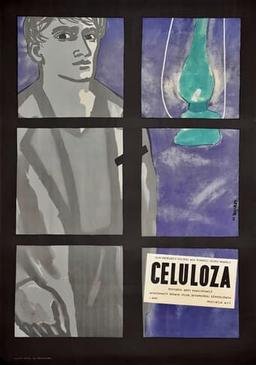
Through the fate of the boy - whose hunger drives from his home village , and who receives a severe school of life , going through different social environments in order to become conscious , revolutionary activist - creators show a realistic panorama of conflicts in pre-WWII Poland.
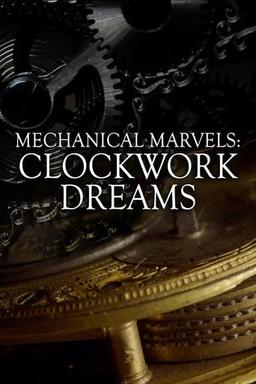
This documentary takes viewers on a mesmerizing journey through the fascinating history of mechanical marvels and clockwork inventions. From intricate automata to revolutionary devices, the film showcases how these creations have shaped our world.

The Seeds of Vandana Shiva is a documentary that explores the impressive biography and activism of Vandana Shiva, focusing on her fight against global agribusiness and the impact of agriculture on climate change, biodiversity, and social justice. The film dives into topics such as seed monopolies, regenerative farming, and the role of corporations like Monsanto in the food production industry.
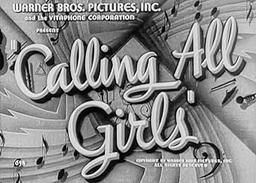
The process by which girls are chosen for chorus line members in movie musical is shown. Numbers from popular 1930s musicals are then presented. These include "Don't Say Goodnight" from Wonder Bar (1934); "Lullaby of Broadway" from Gold Diggers of 1935 (1935) ; "Shadow Waltz" from Gold Diggers of 1933 (1933); and "By a Waterfall" and "Shanghai Lil" from Footlight Parade (1933).

On a summer day in the 1950s, a native girl watches the countryside go by from the backseat of a car. A woman at her kitchen table sings a lullaby in her Cree language. When the girl arrives at her destination, she undergoes a transformation that will turn the woman’s gentle voice into a howl of anger and pain.

Selam: Bahara Yolculuk is a biography drama movie that tells the story of a Turkish student who embarks on a journey to Kyrgyzstan. Along the way, he faces various difficulties, including a brain tumor and stuttering. Through his journey, he learns about different cultures and the value of education.
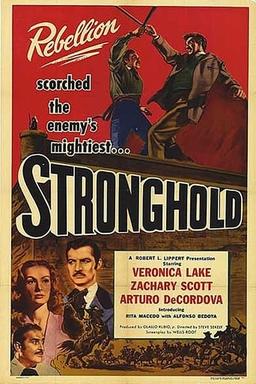
In 1850s Mexico, the beautiful owner of a silver mine is kidnapped by a bandit leader, who needs money to finance his revolt against the Emperor Maximilian.
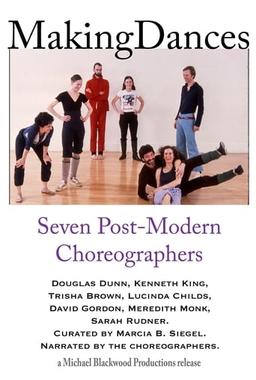
Made in 1980, this film explores the contemporary dance scene through the work of seven New York-based choreographers. They discuss the nature of dance and the evolution of their own work. Filmed at rehearsals, performances, and during interviews, the film is a unique primary source. The artistic roots of these seven artists can be found in Martha Graham's concern with modern life as a subject for dance and in Merce Cunningham's emphasis on the nature of movement. In the 1960s, the interaction of art forms generated choreographic innovations. Especially influential was John Cage, whose radical ideas served as a point of departure for much of the new choreography. Each of the choreographers in Making Dances draws inspiration from the Graham/Cunningham tradition, yet each makes a highly distinctive statement. Structure, movement in non-fictive time and space, and the nature of movement itself are recurring themes.