Movies and TvShows featuring "marxism" theme.
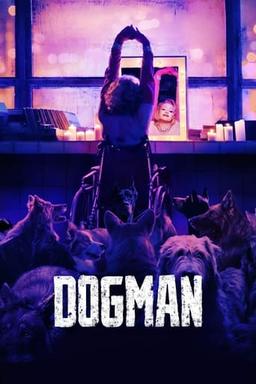
A boy, who was abused by his violent father, finds solace and protection from his dogs. However, the trauma leads him to a dangerous path of murderous madness as he lives on the fringes of society.
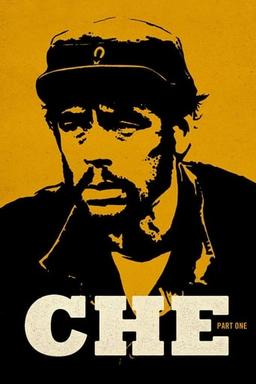
Che: Part One (2008) is a biographical drama that follows the life of Che Guevara, a key figure in the Cuban Revolution. The movie depicts his journey from being a doctor to becoming a revolutionary leader, and the battles he fought to overthrow the Batista regime.

Carlos is a TV show based on the true story of Carlos the Jackal, a Latin American terrorist involved in international conflicts and revolutionary movements. The show explores his involvement in various incidents, including hostage situations, terrorist attacks, and political assassinations. It delves into his personal life, relationships, and ideologies, providing a comprehensive portrait of this infamous figure.

Arthur Miller: Writer is a documentary film that explores the life and work of the renowned American playwright, Arthur Miller. Through interviews, archival footage, and personal writings, the film delves into Miller's experiences, influences, and the impact of his plays on American theater.

A documentary that traces the life and times of Bhagat Singh, a committed Marxist who most ably exemplified the spirit of revolutionary resistance against British imperialism in undivided India.
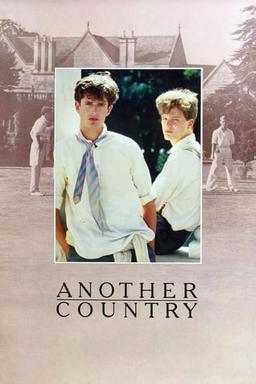
Another Country (1984) is a biographical drama that explores the life of a British spy and his experiences in a boys' school during the 1930s. The movie delves into themes of homosexuality, academia, Marxism, and the hypocrisy of British society. It follows the protagonist as he navigates the strict traditions and discipline of the school while trying to come to terms with his own identity and beliefs. The story unfolds against the backdrop of political scandal, exile, and the struggle for equality.
Focus is a movie set in New York City that explores themes of discrimination, compassion, and romance. The plot revolves around a police officer who becomes involved in the lives of his neighbors, including a Jewish man who is a victim of anti-Semitism. As the story unfolds, the characters navigate themes of racism, nationalism, and religious discrimination, all while seeking understanding and compassion amidst societal conflicts and personal struggles. Along the way, the movie touches on topics such as politics, marxism, zionism, and communism, highlighting the impact of these ideologies on the characters and their relationships.

The Society of the Spectacle is a documentary that delves into the sociological aspects of consumerism and the influence of mass media on society. It presents an essay-like analysis of topics such as representation, philosophy, Marxism, capitalism, and the social satire of the Cold War era. The film is based on the book of the same name and provides a critical examination of industrial society, politics, and the commodification of comfort. It also touches on the concepts of anarchy, the May 68 movement, and the market. Released in the 1970s, it remains a relevant exploration of the sociological implications of the time.
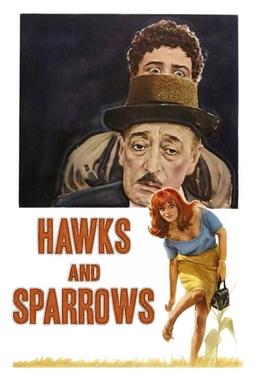
In this surreal comedy, an Italian father and son encounter talking birds on a journey that becomes a parable about the absurdities of politics and religion. Through slapstick comedy and allegorical storytelling, the film explores themes of class struggle, mythology, and the clash between Christianity and communism.
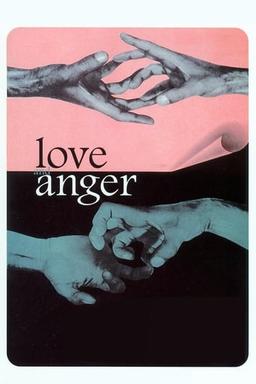
Love and Anger is a portmanteau film consisting of multiple short films that delve into the themes of love and anger. The film explores various topics including class struggle, politics, performance, and the pursuit of a dying man. It showcases the talents of different actors and students, and incorporates elements of Brechtian and Marxist ideologies. One of the segments focuses on a university student who is raped and seeks justice. Overall, Love and Anger offers a provocative and thought-provoking examination of human emotions and societal issues.

Prague, 1920. Milena's father wants her to follow in his footsteps and be one of the first female doctors in Czechoslovakia, but she is determined to be a writer. She elopes to Vienna with the Jewish music critic Ernst Pollak, and starts a correspondence with Franz Kafka. She leaves Pollak and returns to Prague with her father, where she befriends and translates Kafka. As a journalist, Milena covers the 1923 Ruhr worker's strike and meets the communist architect Jaromir.
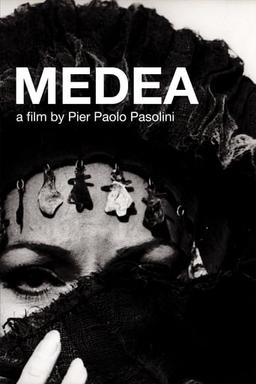
Medea, a woman of great power and intellect, is betrayed by her husband Jason. In a fit of rage, she takes revenge by killing their two children and Jason's new bride. The film explores themes of love, revenge, and the consequences of betrayal.

The Gospel According to Matthew(1964)
 89%Tomatometer
The Gospel According to Matthew portrays the life of Jesus Christ, from his birth in Bethlehem, his teachings and miracles in Judea and Galilee, to his crucifixion and resurrection. It explores the themes of faith, suffering, and liberation theology.

Looming world government, a world "elite", The United Nations...loss of American sovereignty! The light of our "shining city on the hill" dims. Dissecting America under judgment, Lieutenant General William Boykin and Alex Jones join Charlie Daniels in a primer for the uninitiated on The New World Order with Biblical perspective. The global feudal police state unfolds...We were born for such a time as this!

Morgan is a man obsessed with his ex-wife who resorts to extreme and insane measures to win her back. His wild flight-of-fancy includes disguises, seductions, and even transforming into a gorilla.

An interview with the president of Chile conducted by Roberto Rossellini in 1971, but broadcast only after his death.
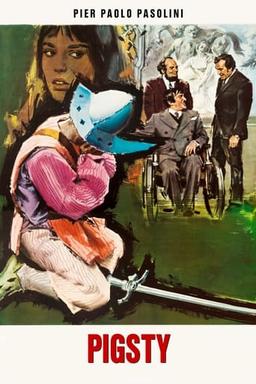
Pigsty is a surreal and avant-garde drama set in post-World War II Germany. The film follows two parallel storylines: one about a young man who becomes a cannibal and the other about an ex-Nazi industrialist and his son. The movie explores themes of social outcasts, barbarism, and the consequences of war. It features elements of surrealism and is known for its unique storytelling.

La Chinoise is a movie set in Paris during the 1960s, focusing on a group of young radical students who plan a Maoist revolution. The film explores their political ideology, relationships, and clash with the conventional society. It delves into the cultural revolution, politics, and the contrast between communism and capitalism. The story also involves the theater, the Soviet Union, and the treaties made during the Treaty of Brest-Litovsk.
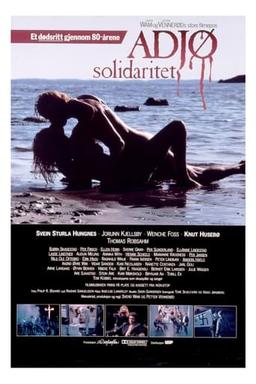
A harrowing and ironic story about the first big and well educated generation born after WW2, living without any major concerns between 1965 and 1975.
