Movies and TvShows featuring "mar-del-plata-argentina" theme.
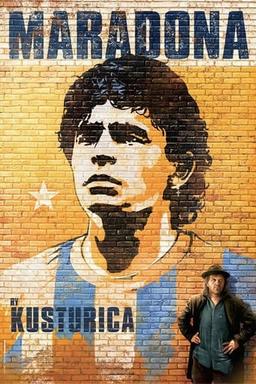
Maradona by Kusturica is a documentary film that explores the life of Argentine football legend Diego Maradona. The film delves into Maradona's rise to stardom, his struggles with drug abuse, his impact on football, and his legacy as one of the greatest players in history. Through interviews, archival footage, and narration, the film provides an intimate look into the highs and lows of Maradona's life.
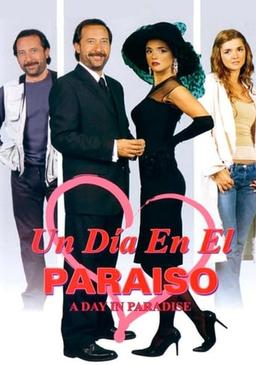
A cartoonist and painter who can not stand out and make a living, among other things, as a photographer of news magazines and a beautiful young woman who comes to Buenos Aires from inside the country to try to make it as a model and actress, living a love as passionate as fraught with disagreements.

A unfulfilled man tries to find something to ling to, traveling from town to town, in one of them he'll find enough reason to stay.
A recently married woman runs away from her husband upon discovering that he had had a mistress. The father-in-law, determined to fix things, also becomes entangled in a disgust with his wife.
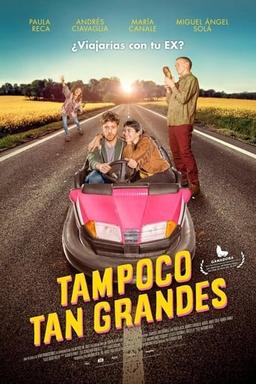
Lola, a 30-year-old failed kleptomaniac with a bad temper receives a phone call from Mar del Plata: her father, whom she thought had been dead for years, has just died, and she must travel in order to check on some things related to the inheritance. Along with Teo, her former boyfriend, and his sister Rita, she sets off in Teo's school van. In Mar del Plata, she meets Natalio, her father's partner, and everyone must now travel to Bariloche in order to spread the ashes of the deceased.
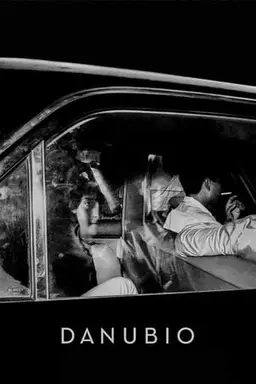
Argentina, 1968. In the midst of the Cold War, the dictatorship of Juan Carlos Onganía (1966-70) organizes the 9th Mar del Plata Film Festival in order to show the world its friendly face, while exercising censorship and repressing dissidence.

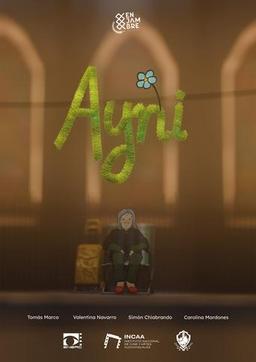
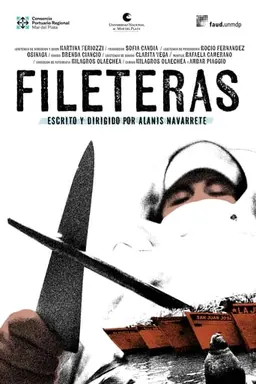
The cold and humid night gives rise to the story of the fileteras of the port of Mar del Plata. Filming the productive heart of the city, the prejudices and emotions experienced by its workers are unraveled: maternity wards, conventions and family legacy.

A voice says, “Start the car, I killed him!”, and a car speeds away. A basketball court, a family table, a school, and a public plaza begin as ordinary, empty spaces, gradually filling with life—though always marked by an absence. This short film retraces the life of Franco Castro López, a 16-year-old who enjoyed everyday life with his family and friends, doing what he loved and moving through the places he called his own. As national news outlets begin reporting on the deaths of several young people whose families are demanding justice, Franco’s case resurfaces. Through news footage, home videos, testimonies, voices, and photographs, a story once silenced becomes visible again. More than ten years after his killing, his face still covers the walls of Mar del Plata—carrying the hope that he was the last.
No More results found.