Movies and TvShows featuring "maghreb" theme.

February 22, 2019 marks the start of a historic movement in Algeria, initially against the candidacy of President Bouteflika for a fifth term, then for the departure of all former dignitaries of the regime and the establishment of a Second Republic. Algerian-Canadian filmmaker Sara Nacer returns to Algeria to capture this “Hirak” (movement in Arabic) through her camera. Through her journey, she invites us to discover the young generation who are leading the "Smile Revolution" and building Algeria 2.0, with a strong political, cultural and social awareness.

While trying by all means to stay out of the bloody turmoil caused by the Battle of Algiers, Hassan, an honest and naive family man, is wrongfully accused of terrorism by the French colonial army in "Hassan Terro." After escaping in "The Escape of Hassan Terro," Hassan is forced to join the resistance in "Hassan Terro in the Maquis."
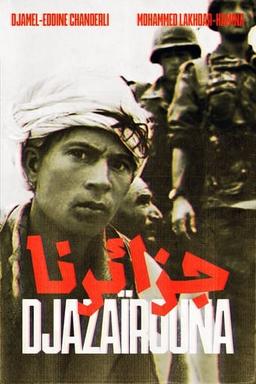
"Djazaïrouna", produced by the cinema service of the Provisional Government of the Algerian Republic (GPRA), is a montage film intended to inform the international community at the UN in 1959 on the objectives pursued by the Algerian resistance during the war of 'Algeria. Independence in Algeria (1954-1962). In 1959, Djamel-Eddine Chanderli and Mohammed Lakdar-Hamina produced Djazaïrouna (Our Algeria) from images taken by René Vautier and Doctor Pierre Chaulet. This film, completed a little later and will result in the film “The Voice of the People”. This documentary on the history of Algeria through a montage of current events, traces the political and military actions of the A.L.N, the demonstrations of December 1960, and the attack on a fortified French base on the border between Algeria and Tunisia.

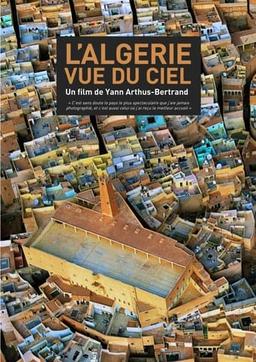
Experience the stunning landscapes, vibrant culture, and rich history of Algeria through breathtaking aerial footage.

On his return to Algeria, Belkacem Hadjadj, a young graduate of INSAS in Brussels, joined Algerian television and signed "Le Bouchon", his first feature in the register of an Italian comedy, around the misadventures of a tenant experiencing a water leak.

In 1960, nine-year-old Bachir dreamed of becoming the son of a martyr because he had heard that the children of martyrs would obtain everything after independence. He sets up a whole plan to get rid of a certain François, enemy of his country, while his father, Saddek, abandoned him with his mother and brothers. Through this fiction, the film looks at the life and visions of little Algerians during the War of National Liberation. Karim Traïdia looks back on his own childhood during the Algerian war (1945-1962). On a humorous note, it tells the adventures of a young child and his innocent friends against the backdrop of a raging merciless war.

The story of Hassan, the handyman in the inn of his sister Aïcha, widowed and childless. A whole series of incidents, misunderstandings, will punctuate his daily routine in which we find him in turn driver, waiter, welder, etc. But, he refuses to submit to anything that does not conform to the idea he has of society and things...
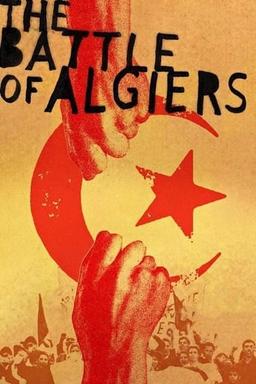

The Battle of Algiers is a powerful docudrama depicting the violent conflict between the National Liberation Front (FLN) and the French colonial government during the Algerian War of Independence. The film explores the tactics employed by both sides, including guerilla warfare and acts of terrorism, as well as the impact of the conflict on the civilian population. It is based on true events and provides a harrowing account of the Algerian people's fight against oppression.

Inspired by the legendary Princess Zaphira, this movie depicts her fight to defend her community from the pirate Barbarossa and protect her people from harm.
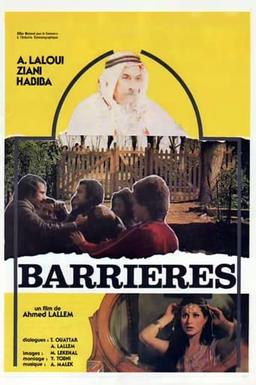
Tahar, son of a wealthy family, is trying to preserve his privileged status despite the social changes brought about by the revolution. Tinted with historical symbolism, the film tells of the disaggregation of a feudal family when the father died.
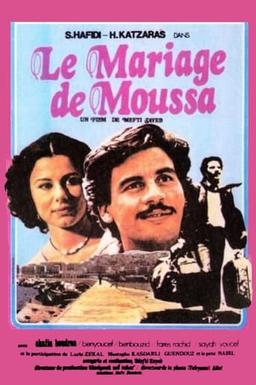
Moussa, a young Franco-Algerian, returns to Algeria, but adapting to life in his country of origin proves difficult. Just as he is about to leave for France, he is called up for military service, which suits him fine because he is secretly in love with the beautiful Nacira.
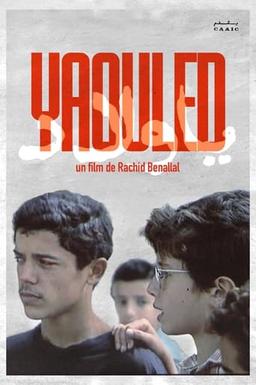
Directed by Rachid Benallal.

Abderrahim is a mechanic and singer in his spare time. One day, he receives a car to repair, driven by a very beautiful girl. It's love at first sight. They want to get married and start a family, but the girl's parents do not view this love favorably. They decide to marry their daughter to another man. Subsequently, Abderrahim became a famous singer. The loss of her love leaves the young girl in a state of silence from which only Abderrahim can break her.
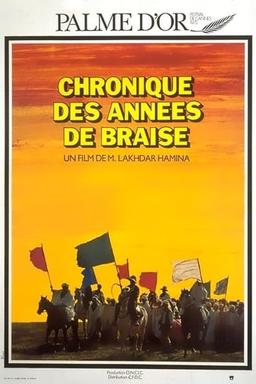
Chronicle of the Years of Fire (1975) is a historical drama that depicts the Algerian resistance against French colonialism and their fight for liberation. Set in the 1940s and 1950s, the film explores the harsh realities faced by Algerians under French occupation, including racial segregation, political activism, and the struggle for independence. It highlights key moments such as massacres, the involvement of Nazi Germany during World War Two, and the guerilla warfare tactics used by the Algerian rebels.

Inspector Tahar decides to take a much-needed holiday in a seaside resort. However, he quickly finds himself entangled in a series of comedic mishaps and misunderstandings. From suspected adultery to running out of gas, Tahar's holiday turns into a chaotic adventure. With his witty charm and determination, he navigates through cross-dressing, stolen cars, and magic shows. As he tries to enjoy his vacation, he also finds himself caught up in the local blockbuster of the resort. This light-hearted movie showcases the humorous side of life in Tunisia and the Maghreb region of Algeria.
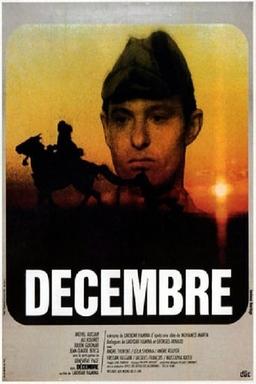
In Algiers, during the Algerian War of Independence, one of the leaders of the FLN was arrested by the French colonial army, which used the most violent methods to make the prisoners speak. The use of torture poses a conscience problem for a French officer. Playing shot-reverse-shot, between the tortured and his torturer, in a suffocating camera, Mohammed Lakhdar-Hamina approaches torture by drawing inspiration from the story of his father, who died of abuse.

During the Algerian War of 1954-1962, a man is mistaken for a freedom fighter and must navigate the dangerous world of colonialism and resistance.

Pépé le Moko is a criminal and wanted man who hides in the Casbah in Algiers. The police inspector is determined to catch him and offers him a deal to escape the Casbah safely. Pépé falls in love with an Algerian girl, but their unrequited love leads to tragic consequences.

Rachid is a young man who survives in Morroco boxing in clandestine fights in order to save enough money with which to pay a smuggler, and be able to cross the Strait of Gibraltar with his two friends.