Movies and TvShows featuring "literature-history" theme.
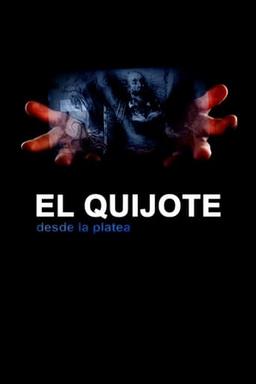
How Don Quixote de la Mancha, the immortal character created by Miguel de Cervantes in 1605, has been depicted in cinema, television, cartoons, theater, opera, ballet and other artistic disciplines. An adventure that began more than four hundred years ago in the pages of a book and is far from coming to an end.
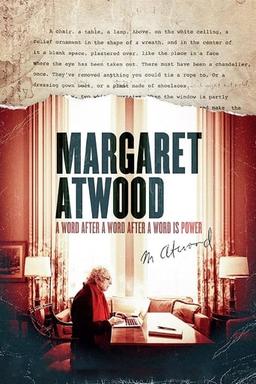
Margaret Atwood: A Word After a Word After a Word Is Power(2019)
A Word After a Word After a Word Is Power is a documentary that delves into the life and work of Margaret Atwood, one of the most influential writers of our time. Through interviews, archival footage, and insights from Atwood herself, the film explores the themes that have shaped her writing, including feminism, totalitarianism, and ecology. From her childhood in Ottawa, Canada, to her rise to literary fame, the documentary offers a portrait of an artist who has used her words to challenge and provoke. It also touches on Atwood's personal life, including her battle with dementia and her love for ornithology.
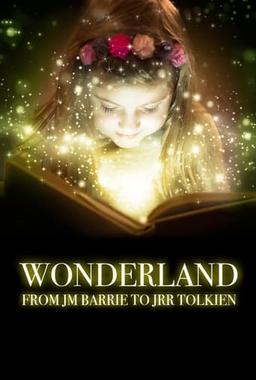
An extraordinary variety of writers, who often suffered terrible adversity throughout their lives, created wonderful places full of happiness in which children lived far from the sorrows of adult life.

An unparalleled portrait of Arthur Miller (1915-2005), a major writer who left an indelible mark on the world. Miller's life is intimately connected with the great themes that marked the 20th century. Glamour, fame, social criticism and Marilyn Monroe.

An account of the life and work of the charismatic Spanish writer Terenci Moix (1942-2003).
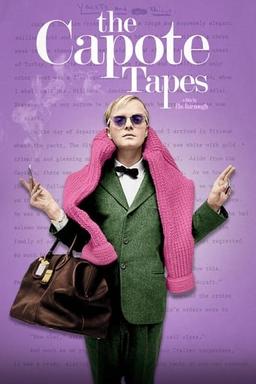
The Capote Tapes is a documentary film that delves into the life and work of Truman Capote, a renowned writer known for his flamboyant gay personality. The film examines his relationships, his jet-set life, and the controversy surrounding his unfinished book. Through taped interviews and archive footage, viewers get a glimpse into the mind of this complex and influential figure.
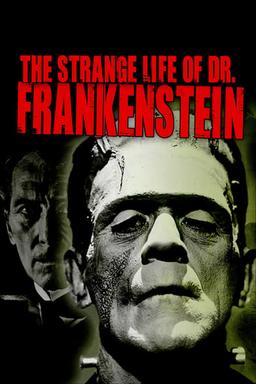
In 1818, Mary Shelley wrote Frankenstein; or, The Modern Prometheus, a powerful and timelessness novel which eternal theme is nothing other than man's quest for the secret of life. Since then, the Creature became a pop culture icon, overshadowing the novel and Doctor Frankenstein himself.
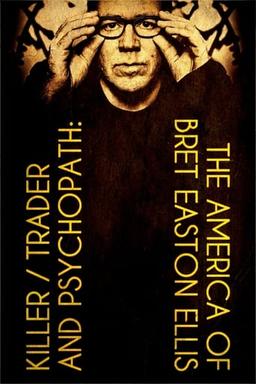
Killer, Trader and Psychopath: The America of Bret Easton Ellis(2021)
In 1991, American Psycho, the third novel by controversial writer Bret Easton Ellis, provoked heated discussions among critics and readers alike; an extraordinarily disturbing book that transported its readers into the mind of Patrick Bateman, a cynical mergers and acquisitions executive obsessed with brands, inconsequential details, pop culture and brutal murder.

England, 1960. The Crown sues the publisher Penguin Books in order to ban the publication of Lady Chatterley's Lover, a novel by the British writer D. H. Lawrence (1885-1930), published privately in Italy in 1928, which celebrates nature and deals with sex without taboos.

Anjelica Huston on James Joyce: A Shout in the Street(2017)
Explore the fascinating life and literary works of James Joyce, a renowned Irish writer, in this captivating documentary set in Dublin, Ireland.
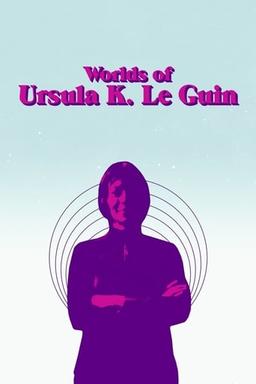

The extraordinary life story of science fiction and fantasy writer Ursula K. Le Guin (1929-2018) who, in spite of remaining for many years on the sidelines of the mainstream literature, managed to be recognized as one of the most remarkable US writers of all time, due to the relevance of her work and her commitment to the human condition.

On January 31, 1857, the French writer Gustave Flaubert (1821-80) took his place in the dock for contempt of public morality and religion. The accused, the real one, is, through him, Emma Bovary, heroine with a thousand faces and a thousand desires, guilty without doubt of an unforgivable desire to live.

The Picture of Dorian Gray, the seminal work of Irish writer Oscar Wilde (1854-1900), continues to find new readers and inspire artists and creators around the world more than a century after its publication in 1891, because it was endowed with all the elements necessary to make it an undisputed heritage of world literature.
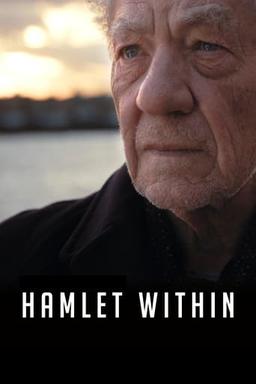
A radical cinematic investigation into the myth of Hamlet, the avenging prince of Denmark, William Shakespeare's creature; his origins and his unending influence on many diverse cultures.

An analysis of the sources of inspiration that fed the imagination of the British writer, poet and philologist J. R. R. Tolkien (1892-1973), great master of epic fantasy.
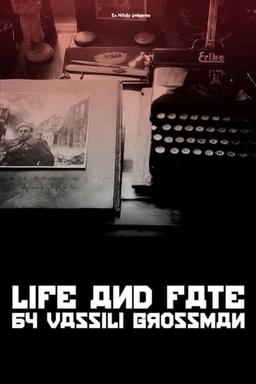
The convoluted and moving story of Russian writer Vassili Grossman (1905-64) and his novel Life and Fate (1980), a literary masterpiece, a monumental and epic account of life under Stalin's regime of terror, a defiant cry that the KGB tried to suffocate.
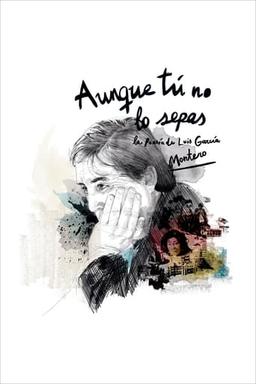
An account of the life and work of the Spanish poet Luis García Montero; a journey through his experiences, his mentors, his influences and his contact with other artists, both from the literary world and from other disciplines.
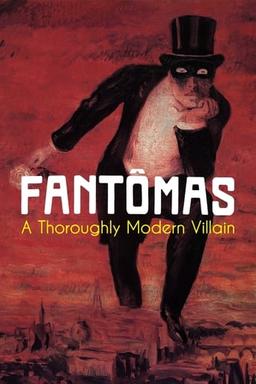
The story of Fantômas, the first villain of modernity, from his birth in 1911 as a novel character to his contemporary vicissitudes, passing through Louis Feuillade, André Hunebelle, surrealism and Moscow.
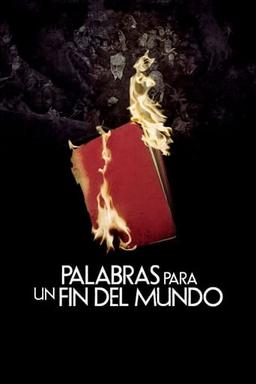
In the backdrop of the Spanish Civil War, 'Words for an End of the World' delves into the consequences of fascism on freedom of speech. The film sheds light on the conspiracy theories and political repression prevalent during the 1930s in Salamanca, Spain. Through the lens of a renowned Spanish writer, it reflects the anti-fascist sentiments and the struggle to preserve Spanish literature and culture.
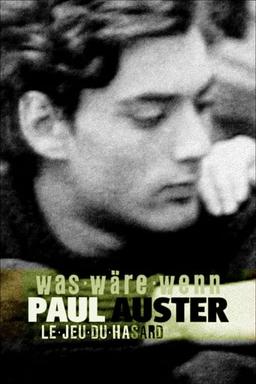
A look at the world of US writer Paul Auster, on the occasion of the publication of his new novel, an exploration of human identity and the soul of New York, the city that Auster has portrayed as no one else has ever done.