Movies and TvShows featuring "leninism" theme.

Russia, 1917. After the abdication of Czar Nicholas II Romanov, the struggle for power confronts allies, enemies, factions and ideas; a ruthless battle between democracy and authoritarianism that will end with the takeover of the government by Vladimir Lenin and the Bolsheviks.
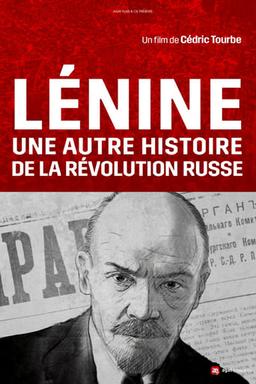
Vladimir Ilyich Ulyanov, better known as Lenin, is remembered as the instigator of the October Revolution of 1917 and, therefore, as one of the men who changed the shape of the world at that time and forever, but perhaps the actual events happened in a way different from that narrated in the history books…
Love and Anger is a portmanteau film consisting of multiple short films that delve into the themes of love and anger. The film explores various topics including class struggle, politics, performance, and the pursuit of a dying man. It showcases the talents of different actors and students, and incorporates elements of Brechtian and Marxist ideologies. One of the segments focuses on a university student who is raped and seeks justice. Overall, Love and Anger offers a provocative and thought-provoking examination of human emotions and societal issues.
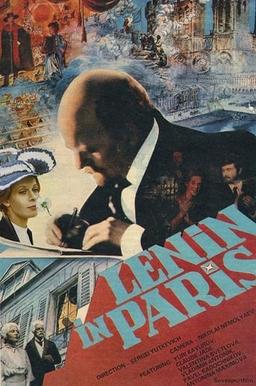
1911. Lenin organizes the first Bolshevik party school near Paris, in the small town of Longjumeau. Through a chain of historical parallels and associations, this time is intertwined with the events of the Paris Commune, the October Revolution and the political struggles of the post-revolutionary years.

Award-winning political playwright Tatty Hennessy (A Hundred Words for Snow, F*Off) adapts George Orwell’s classic as an allegory for our own times exploring themes of revolution, the price of sovereignty and power with humour and sharp wit. When the downtrodden animals of a farm overthrow their master to run the show themselves, they imagine it is the beginning of a life of independence and equality. But gradually a cunning, ruthless élite among them start to take control. Soon the other animals discover that they are not all as equal as they thought, and find themselves hopelessly ensnared as one form of tyranny is replaced with another and independence isn’t what they were promised it would be Directed with playful invention by Ed Stambollouian (Pinter at the Pinter, West End), this Made in Northampton production, in association with Kneehigh Theatre, will star Britain’s best young performing talent from the 2020 National Youth Theatre REP Company.
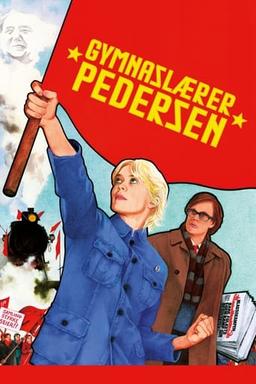
Comrade Pedersen follows the story of a high school teacher in 1970s Norway who becomes involved in political activism and communism. The movie delves into the struggles and challenges faced by the protagonist as he navigates his beliefs and desires for change. It touches on themes of Marxism, cultural revolution, and the impact of political ideologies on individuals and society.
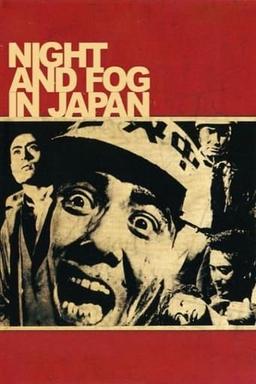
Night and Fog in Japan (1960) is a powerful political drama set during the 1950s in Japan, depicting the struggles and conflicts within a group of leftist students. The film explores themes of ideology, loyalty, and betrayal amidst the fog of political turmoil.
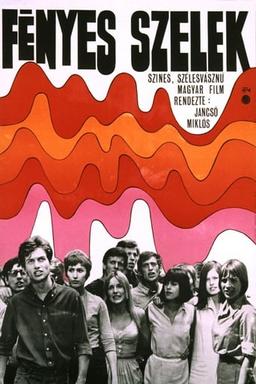
In post-WWII Hungary, a group of Communist college students arrive at a Catholic seminary hoping to engage in peaceful debate with its students.

Valeh, a member of a leftist organization, is arrested by the SAVAK and sentenced to death. In prison, he reconsiders his relationships with members of his political cell, and begins to doubt the validity of the ideas for which he is condemned. At the same time, his comrades pressure him to make a sacrifice for their cause, and his beloved wife experiences personal problems and economic hardships.
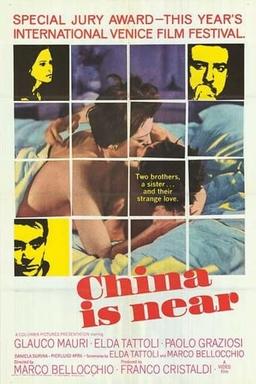

A pair of working class lovers - a secretary and an accountant, scheme to marry into the rich landed gentry.
Albania is the country in Europe that Europe probably knows the least about. Underdeveloped yesterday, Marxist today, breaking with the Kremlin, in friendship with Red China, we hardly know more. For journalists, the country of Enver Hoxha is one of the most closed 'hunting' territories in the world.
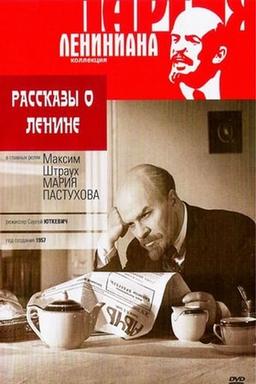
A few stories about Vladimir Lenin.
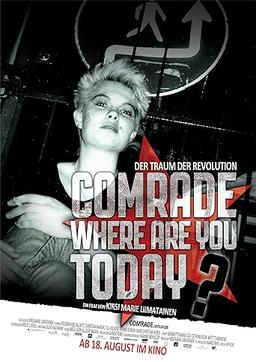
In 1988, 20-year-old Kirsi Marie Liimatainen travels from Finland to the GDR, to study Marxism-Leninism at the International Youth Academy. In summer of´89 the course ends and the students spread out over the world. Afew months later, the Berlin Wall falls. 24 years later Kirsi, sets out on a cinematic journey to Nicaragua, South Africa, Chile, Bolivia, Lebanon, Germany and Finland to meet up once more with her former fellow students. What remains of their dream of the liberation of the oppressed?

Vladimir Ilich Lenin (1949) is a documentary that follows the life and political career of Lenin, a revolutionary and a key figure in the Bolshevik Revolution. The film provides an in-depth look into his ideologies and the impact he had on shaping 20th-century politics.

No More results found.