Movies and TvShows featuring "japanese-occupation-of-china" theme.
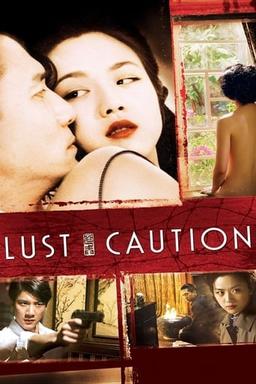
Set in 1940s China, during the Japanese occupation, a young woman named Wang Jiazhi is recruited by a resistance group to seduce and assassinate a government official. However, she finds herself falling in love with him, leading to a dangerous game of espionage, betrayal, and forbidden passion.
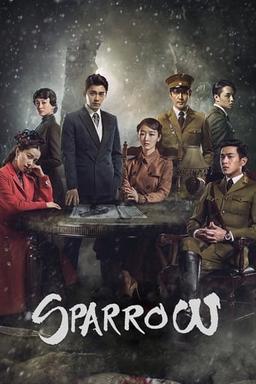
This drama is set during the revolutionary time in Shanghai, based on a novel of the same name of Hai Fei. During the republican revolution, Chen Shen is a secret agent under Special Operations Executive Director Bi Zhongliang, among the agents called “sparrow” (similar to the program “zero” in Japan)

Set in the Japanese occupation era, the rich yet naive young master Ming Tai is trained to become an agent, and is later sent to become an underground spy for the Communists. Together with his brother and double agent Ming Lou, they try and bring down Wang Wei's Kuomintang Secret Service Headquarters.
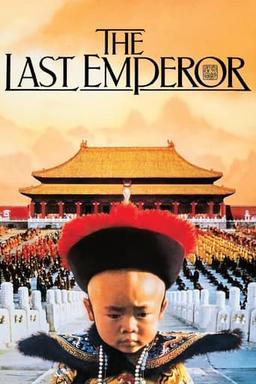
Bernardo Bertolucci's Oscar-winning dramatisation of the life story of China's last emperor, Pu Yi. The film follows Pu Yi's journey from being the emperor of China at a young age to his eventual downfall and capture as a war criminal. It explores his relationships, his struggles with identity and power, and the changing political landscape of China. This epic and visually stunning film offers a poignant portrayal of one man's life and the historical events that shaped it.
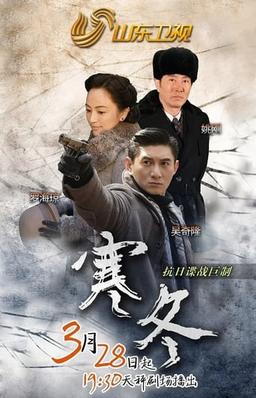
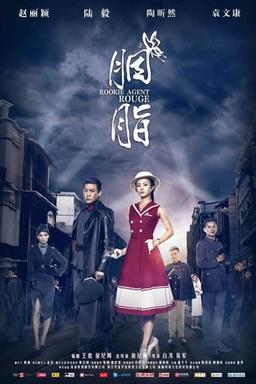
Can a young woman prove her loyalty to her country and her family? Lan Yan Zhi is a privileged banker’s daughter in Shanghai and a student activist who mistakenly comes into possession of a letter from the Japanese Army in 1937. She gets misunderstood for a spy by her crush, Zhou Yu Hao, an upstanding officer in the Chinese Army. To prove her innocence, Yan Zhi agrees to infiltrate the home of her best friend, Feng Man Na, and help Yu Hao track down a mysterious “Mister Traitor.” But what will Yan Zhi do when the search leads to a member of her own family?
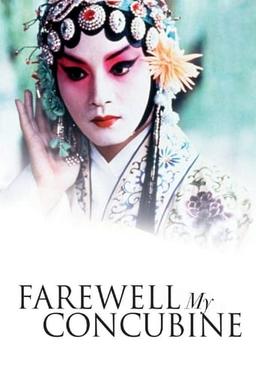
Farewell My Concubine tells the story of two male Peking opera performers who form a complex relationship that spans over 50 years. Their lives are deeply impacted by the political and cultural upheavals of the time, including the Japanese occupation of China, the Chinese Cultural Revolution, and their own personal struggles with gender identity and unrequited love.

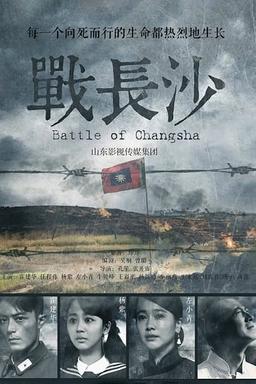
In 1938, as war engulfs Changsha, the Hu family struggles to protect their twins. Amid loss and destruction, Xiangxiang faces love, tragedy, and duty, while the people of Hunan unite to resist the Japanese invasion.
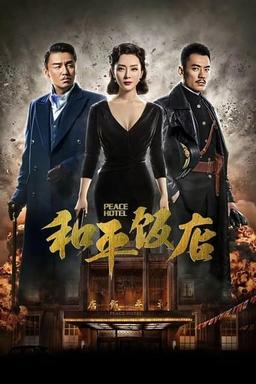
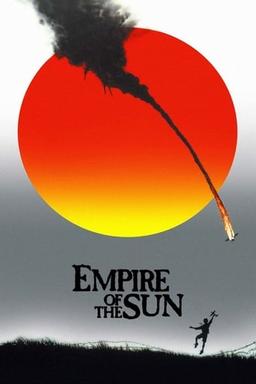
During World War II, a privileged English boy in Shanghai struggles to survive under Japanese occupation. Separated from his family, he faces the harsh realities of war and learns to navigate the complexities of the internment camp he finds himself in.
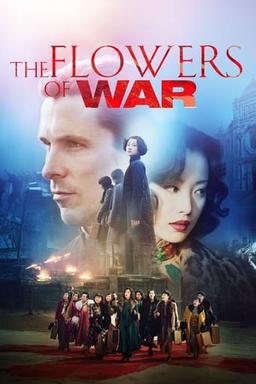
Set during the Nanking Massacre in 1937, 'The Flowers of War' tells the story of a mortician, a convent student, and a group of prostitutes who seek refuge in a church. As they struggle to survive in the midst of the atrocities committed by the Japanese military, they form unlikely bonds and find strength in each other.
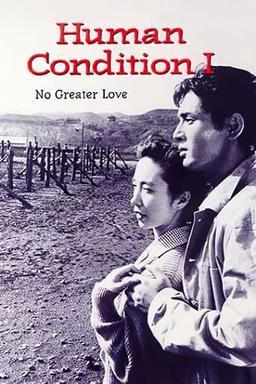
The Human Condition I: No Greater Love(1959)
 73%Tomatometer
Set during World War II, a Chinese soldier works at an ore mine in Manchuria and faces ethical conflicts, forced labor, and the brutality of the Japanese occupation.
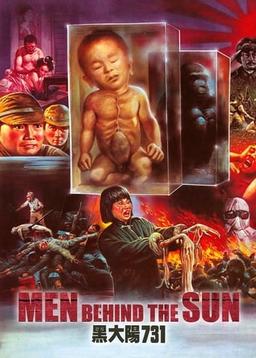
Men Behind the Sun is a shocking and disturbing portrayal of the war crimes committed by the Japanese Imperial Army during World War II in Manchuria. The movie follows a group of Chinese prisoners of war who are subjected to horrific experiments and tortures in a secret Japanese laboratory, highlighting the brutality and dehumanization of war.
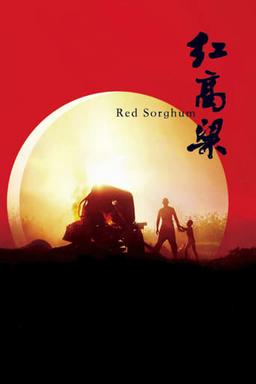
Set in the 1930s and 1940s, Red Sorghum follows the journey of a young woman who is forced into an arranged marriage but finds love and strength amidst the chaos of war. She becomes involved in a distillery and wine production business, facing challenges such as kidnapping, revenge, and the harsh realities of the Japanese occupation of China. The movie explores themes of family, sacrifice, and the indomitable spirit of the Chinese people.

In 1941, a group of Chinese railroad workers become freedom fighters to resist the Japanese occupation during World War II. They embark on dangerous missions and use their knowledge of the railway to fight against the enemy. The film involves action-packed train sequences, combats, and train crashes as the freedom fighters risk their lives for the cause.
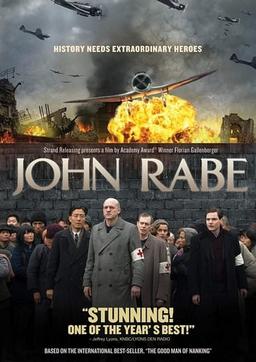
John Rabe (2009) tells the gripping true story of a German businessman, John Rabe, who saved over 200,000 Chinese civilians during the brutal Japanese occupation of Nanking in 1937. As a Siemens expatriate and the head of the company's Nanking branch, Rabe used his influence and connections to establish a safety zone, sheltering thousands from the atrocities committed by the Japanese army. His selfless actions and determination to protect innocent lives make him a true hero.
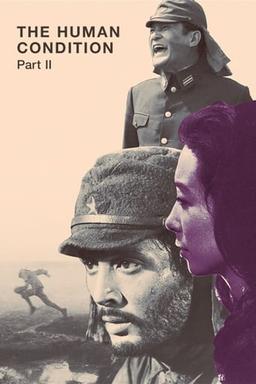
In the second installment of The Human Condition trilogy, a Japanese soldier named Kaji continues his journey through the horrors of World War II. He faces the challenges of trench warfare, the occupation of China, desertion, and the cruelty of his fellow soldiers. Along the way, he also discovers love and literature as means of escapism. This powerful film explores the true cost of war and the human spirit's ability to endure.

Set in 1930s Shanghai, the drama follows Ma Tianming, a cunning conman who becomes entangled in a dangerous political conflict. After a twist of fate makes him a suspect in a case, he assumes the identity of Hengshan Hospital’s chief doctor, Cai Likun—only to discover that Cai is a member of the underground Communist Party. As he struggles to maintain his cover, Ma Tianming finds himself caught between survival and a greater cause.
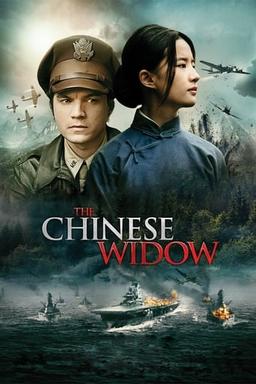
During the Japanese occupation of China in 1942, a Chinese widow forms a forbidden interracial romance while facing numerous challenges, including the attack on Pearl Harbor and the language barrier.