Movies and TvShows featuring "italian-occupation" theme.

The adaptation of notable work by Slovenian writer France Bevk about catholic priest who maintains national dignity among his villagers, and doesn't fall under fascists' influence during Italian occupation of the area.
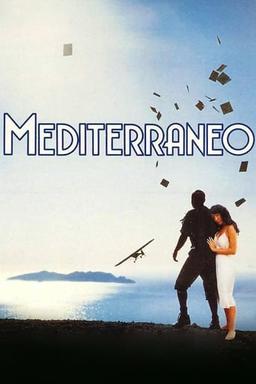

During World War II, a small group of Italian soldiers are sent to a Greek island to monitor its inhabitants. However, they soon find themselves captivated by the beauty and simplicity of the island and its people. As the war rages on, the soldiers form deep friendships, experience new romances, and discover a sense of escapism from the horrors of war.

The series "Zanghat Arreeh" is a historical social drama, the events of which take place in 1945 in the city of Tripoli in Libya. It highlights the suffering of the Libyan people under the rule of the British administration that was installed in Libya after World War II and the defeat of Italy. In the absence of any media or legal interest, the British military administration facilitated procedures for foreign communities at the expense of the sons of the homeland. The series also highlights the social life, customs and traditions that prevailed among the residents of Tripoli of all religions and ethnicities, united by one city and one homeland, in which they share their joys and sorrows.
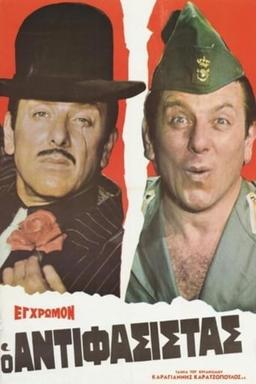

Set during the Greek Civil War, The Travelling Players follows a theater troupe as they navigate the complexities of love, betrayal, and political unrest in their performances. With historical events serving as a backdrop, the film delves into the personal lives of the characters, highlighting their struggles and desires. Through their art, the players defy the fascist regime and bring hope to the people.

Through the testimonies of some Italian women, the documentary evokes the day of 2 June 1946, when they were called upon to cast their vote for the first time. The battles conducted by Italian women in the years leading up to 1946 to demand recognition of the right to vote. The approval of the right to vote for women by the Italian Parliament on 1 February 1945, at the proposal of the Italian Communist Party Secretary Palmiro Togliatti and statesman and founder of the Christian Democratic Party De Gasperi. The role of the first 21 women elected to the Constituent Assembly on 2 June 1946, and their contribution to the writing of the Italian Constitution.
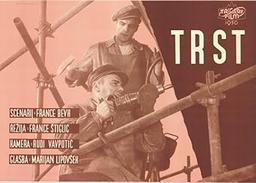
Despite all actions taken in attempt to conquer Trieste, Gestapo forces fail to do so. The surrender of Italian fascist state gives partisans an open way in seizing the power with the help of domicile population.

Chronicle of the unheralded and unsuccessful invasion of the Soviet Union by the Italian army during World War II.

During World War III, a small town is caught between the occupations of the Germans and Italians. The townspeople must navigate the chaotic and absurd situations that arise, leading to comedic and dramatic moments.

One Fine Day is a comedy set in a small town where the residents are preparing for a wedding. Chaos ensues as the wedding day approaches, with fistfights, bridge crossings, and conflicts with the local church. The film also explores themes of family, love, and the impact of World War II and Italian occupation on the town. Through the chaos, the characters find themselves navigating through hilarious situations and discovering the importance of relationships and community.

During World War II, an Italian agent tries to infiltrate the Albanian guerrilla units under the identity of 'engineer Tosti'.
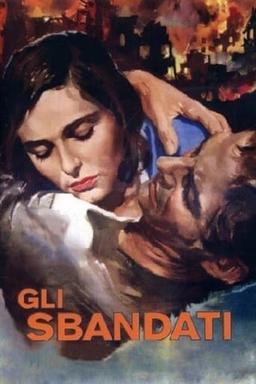
A group of rich young intellectuals hiding from the war in rural Italy play at being partisans when some disbanded soldiers and some refugees ask them for shelter in their villa. The young and aristocratic Andrea strikes up a friendship with a peasant girl, Lucia. Then the Germans suddenly appear, looking for the real partisans, and the time comes for serious decisions.

A sanitary battalion of Italian Army is sent to Sorman oasis in Lybia during the Africa campaign in 1940. Soon an Italian missionary, living nearby, succeed to transform the occupation by Italian Army in a kind of humanitarian mission. In fact all the battalion is involved to help the local population. The war anyway goes on with no regards to human feelings. The "glorious" Fascist campaign is going to became a fast retreat.

A couple sets up an African game preserve, only to have British and Italian armies fight over the waterholes.

During the Italian occupation in World War II, a group of children find solace in an orphanage as they navigate the horrors of war, facing loss and the impact of fascist rule.

If Only I Were That Warrior is a thought-provoking documentary that delves into the forgotten tales of courage and resilience displayed by the Ethiopian people during the brutal Italian occupation of their land in the 1930s.

Set in the 1930s during the Italian occupation of Albania, General Gramophone follows the journey of a talented musician who becomes involved in the resistance against the foreign forces. As he plays his clarinet, he becomes a symbol of hope and defiance against the oppressive regime. In the backdrop of the vibrant music scene of Tirana, Albania's capital, the film explores the power of music to unite and inspire, showcasing the strength and resilience of the Albanian people.

In Two Colonels, a British officer and an Italian officer, both named Colonel, find themselves occupying the same territory in Italy during World War II. Their misunderstandings and comedic interactions lead to a series of comedic situations and a surprise ending.
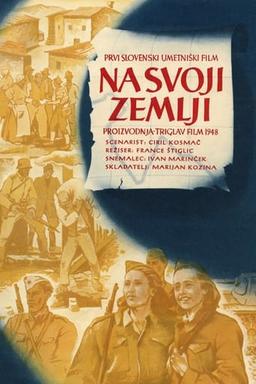
Set in a Slovenian coastal town in WW2, the film tells a story about villagers who help partisans to get rid of Italian, and later German authorities that ruled the town in the last years of occupation.
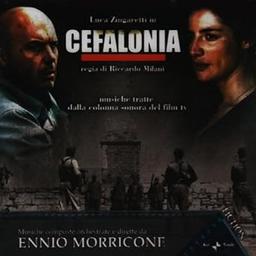
Cefalonia tells the real story about what happened in September 1943 on the Greek island of Kefalonia (Cefalonia in Italian), when the 12,000 men in the Italian 33rd Acqui Infantry Division, following Italy's surrender to the Allied, refused to put themselves under German command and also refused to surrender their weapons. The local German force, supported by Stuka dive-bombers and additional troops, attacked the Italians and after several days of combat the Italians surrendered, having lost 1,300 men. As punishment, the German High Command ordered that all surviving Italians should be executed. Some 5,000 were executed during a week of killings. A handful were rescued by locals and the Greek guerrilla, while the rest were shipped off as prisoners, whereof 3,000 drowned when their ships hit mines. The film "Captain Corelli's Mandolin" is based on a novel about the Italian occupation of Cefalonia, but the massacre was much toned down in the Hollywood version.