Movies and TvShows featuring "independent-filmmaking" theme.

Never Sleep Again: The Elm Street Legacy(2010)
 100%Tomatometer
Never Sleep Again: The Elm Street Legacy is a documentary that delves into the creation of the iconic horror movie series Nightmare on Elm Street. It explores the making of each film in the franchise, the influence of writer and director Wes Craven, and the enduring legacy of the character Freddy Krueger. The documentary features interviews with the cast and crew, behind-the-scenes footage, and insights into the impact of the films on the horror genre.
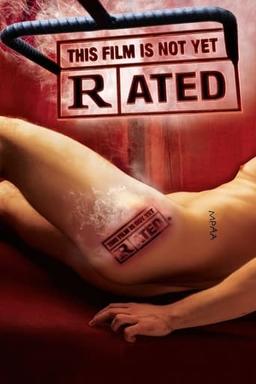
This Film Is Not Yet Rated(2006)
84%TomatometerThis Film Is Not Yet Rated is a documentary that uncovers the truth behind the secretive and controversial Motion Picture Association of America (MPAA) rating system. Directed by Kirby Dick, the film follows a private investigator as he tries to uncover the identities of the rating board members and delves into the biases and inconsistencies of the ratings. It also explores the influence of the MPAA on the film industry and the challenges faced by independent filmmakers. The documentary sheds light on the manipulation, censorship, and hidden agendas of the MPAA, ultimately questioning the credibility and fairness of the rating system.
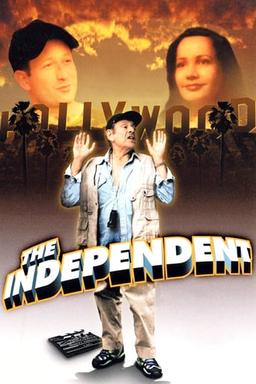
A struggling independent filmmaker finds himself in debt and desperate for a comeback. He comes up with a plan to make a satirical comedy film about a war monger and a pacifist conjoined twins who are forced to work together. As he navigates through the challenges of making the film and dealing with his own personal issues, he learns valuable lessons about loyalty, father-daughter relationships, and the complexities of the film industry.

The film features a conversation between Lucas and Francis Ford Coppola, producer of THX 1138. They discuss Lucas' vision for the film, including his ideas about science fiction in general and in particular his concept of the "used future" which would famously feature in his film Star Wars. Intercut with this discussion is footage shot prior to the start of production of THX 1138 showing several of its actors having their heads shaved, a requirement for appearing in the film. In several cases the actors are shown being shaved in a public location. For example, Maggie McOmie is shaved outside the Palace of Fine Arts in San Francisco, while Robert Duvall watches a sporting event as his hair is cut off. Another actor, Marshall Efron, who would later play an insane man in the film, cut off his own hair and was filmed doing so in a bathtub.
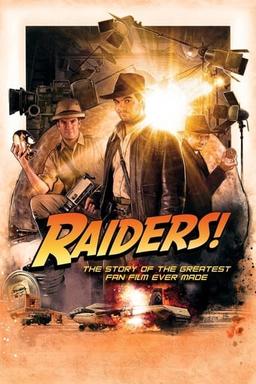
Raiders!: The Story of the Greatest Fan Film Ever Made(2015)
91%TomatometerRaiders!: The Story of the Greatest Fan Film Ever Made is a documentary about a group of childhood friends who spent their summers in the 1980s making a shot-for-shot remake of Raiders of the Lost Ark. The film follows their journey from being ambitious young filmmakers to reconnecting as adults to complete their long-lost passion project. Through archive footage and interviews, the documentary explores the themes of dedication, friendship, and the power of creativity.
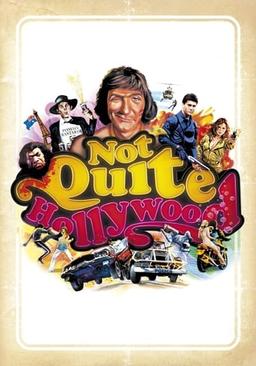
Not Quite Hollywood is a documentary film that explores the wild and rebellious world of Australian cinema during the 70s and 80s. It delves into the rise of exploitation films and their impact on the Australian film industry. The film showcases the unconventional filmmaking techniques, violence, sexuality, and the unique creativity of the Australian film industry during that period.

The first definitive feature documentary to lend new and compelling perspectives on the partnership, both professional and personal, of director James Ivory, producer Ismail Merchant, and their primary associates, writer Ruth Prawer Jhabvala and composer Richard Robbins. Footage from more than fifty interviews, clips, and archival material gives voice to the family of actors and technicians who helped define Merchant Ivory’s Academy Award-winning work of consummate quality and intelligence. With six Oscar winners among the notable artists participating, these close and often long-term collaborators intimately detail the transformational cinematic creativity and personal and professional drama of the wandering company that left an indelible impact on film culture.
Scream: The Inside Story is a documentary that delves into the production and impact of the iconic horror film Scream. It features interviews with the cast and crew, discussing the creative process, the challenges faced, and the legacy of the movie.

Going to Pieces: The Rise and Fall of the Slasher Film(2006)
Going to Pieces: The Rise and Fall of the Slasher Film is a documentary that delves into the history, evolution, and cultural impact of slasher films. It provides an in-depth analysis of the genre's origins in the early 1960s and follows its development through the 1980s, where it peaked in popularity. The documentary examines the societal and cultural factors that influenced the creation of these films and explores the lasting legacy of the genre. It features interviews with industry professionals and notable figures in the horror film industry.

BaadAsssss Cinema is a documentary that delves into the cultural impact and historical significance of blaxploitation cinema in the 1970s. It explores the portrayal of African-American characters and themes, the challenges faced by black filmmakers, and the controversies surrounding the genre. The documentary features interviews with actors, filmmakers, and critics, providing a comprehensive look at the era.
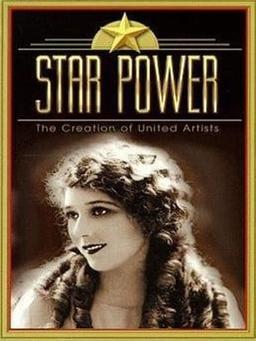
The careers of D.W. Griffith, Mary Pickford, Douglas Fairbanks, and Charlie Chaplin are chronicled culminating in the formation of United Artists and 1919.

Interviews with Guy Maddin and his pals are included in this documentary about the Canadian film-maker's life and movies. Features clips from most of Maddin's films up to Twilight of the Ice Nymphs, including Careful and Archangel.
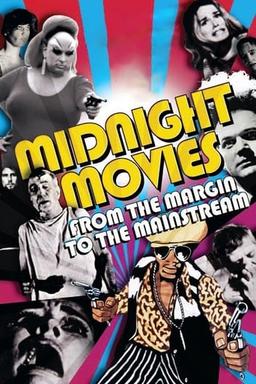
Midnight Movies: From the Margin to the Mainstream(2005)
90%TomatometerMidnight Movies: From the Margin to the Mainstream is a documentary film that delves into the phenomenon of late-night cult films and their influence on popular culture. Through interviews with filmmakers, critics, and enthusiasts, the film examines how these unconventional and often subversive movies gained a dedicated following and became significant artistic expressions.

VHS Massacre: Cult Films and the Decline of Physical Media(2016)
VHS Massacre: Cult Films and the Decline of Physical Media is a documentary that delves into the history of VHS tapes and how they shaped the movie industry. It examines the rise of VHS, its impact on independent filmmaking, and the eventual decline of physical media.

An in-depth analysis of the "Video Nasty" scandal of the early 1980s in Britain.
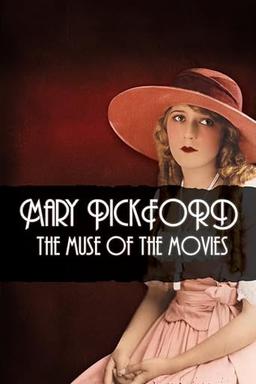
Mary Pickford: The Muse of the Movies(2008)
88%TomatometerExplore the life and career of Mary Pickford, a pioneering actress and one of the most influential figures in Hollywood history. From her early days in silent films to her rise as a powerful producer, this documentary offers an in-depth look at the life of a true Hollywood legend.

The Go-Go Boys: The Inside Story of Cannon Films is a documentary that explores the history of the independent film studio, Cannon Films. The film tells the story of cousins Menahem Golan and Yoram Globus who established Cannon Films in the 1970s and built it into one of the most prominent independent film studios of its time. It delves into the successes and failures of the studio, their unique filmmaking methods, and the impact they had on the movie industry. The documentary also covers the rise and fall of the company, the colorful personalities involved, and the lasting legacy of Cannon Films.

Nightmares in Red, White and Blue is a documentary that delves into the history and influence of horror films in America. It discusses the social commentary, fears, and societal issues that are often explored in these films. The documentary examines various aspects of horror filmmaking, such as censorship, the movie industry, actors, directors, and the overall impact of horror movies on society. It also analyzes the evolution of horror films from the 1970s to the 2000s.
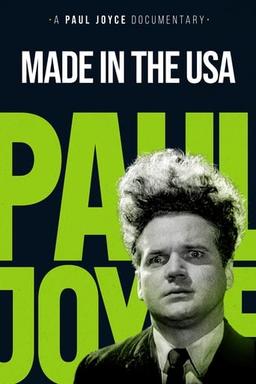
A Paul Joyce documentary on the American independent film scene.

A Constant Forge is a documentary film that tells the story of a filmmaker's search for love and his journey in the world of independent filmmaking. It explores themes of chronology, male-female relationships, immigrant experiences, and the challenges faced by filmmakers. Through interviews, archive footage, and personal anecdotes, the film showcases the dedication and passion required to create meaningful cinema.