Movies and TvShows featuring "hungarian-history" theme.
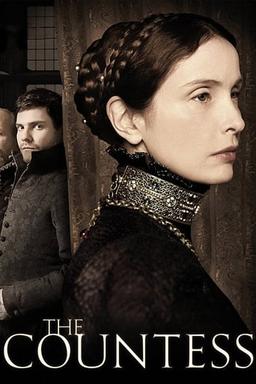
The Countess tells the story of Elizabeth Bathory, a noblewoman in Hungary who is accused of killing young girls and bathing in their blood in order to maintain her youth and beauty.
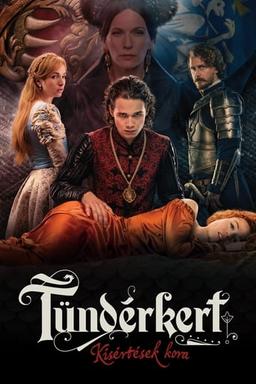
Gábor Báthory was the ruler of Principality of Transylvania from 1608 to 1613. The infamous Elisabeth Báthory was his relative. The young Báthory is daring handsome and the idol of women, and triumphantly acquires the throne of Transylvania. The young ruler is the hope of the Transylvanian people, who have long suffered from wars. However, the ambitious Báthory pursues glory. He turns into a deranged tyrant, his best friend, the wise Gábor Bethlen, also becomes his mortal enemy and infuriates the neighboring great powers. Huge armies of the Ottomans, Wallachians, Poles, Hungarians and Cossacks attack Transylvania because of Báthory's adventurism.
Freedom's Fury is a documentary film that focuses on the events of the 1956 Summer Olympics in Melbourne, Australia. It specifically examines the water polo match between Hungary and the Soviet Union, which took place during the height of the Hungarian Revolution. The film explores the historical and political context of the match and its significance in the greater Cold War era. Through interviews with Olympic athletes and individuals involved in the events, Freedom's Fury provides a detailed and compelling account of this intense and dramatic sporting event.

A documentary chronicling the adolescent years of Elie Wiesel and the history of his sufferings. Eliezer was fifteen when Fascism brutally altered his life forever. Fifty years later, he returns to Sighetu Marmatiei, the town where he was born, to walk the painful road of remembrance - but is it possible to speak of the unspeakable? Or does Auschwitz lie beyond the capacity of any human language - the place where words and stories run out?
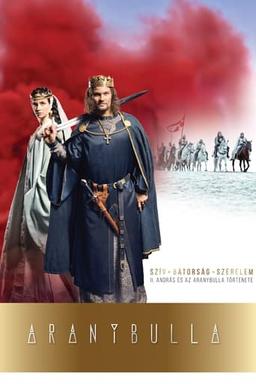
King Andrew II navigates through political intrigue and external threats to elevate the Kingdom of Hungary. Guided by his wife Gertrude and the Church, he leads his loyal Servian warriors on a journey for the country's prosperity, culminating in the creation of the Golden Bull of 1222.
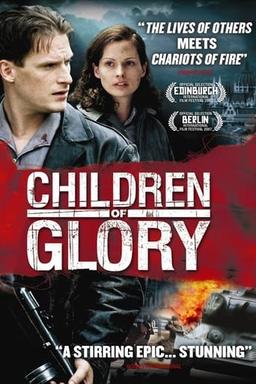

Children of Glory tells the powerful story of the Hungarian revolution in 1956, highlighting the struggles against communism, the secret police, and the Soviet Union. It follows the lives of brave individuals who fought for freedom, love, and the right to compete in the Olympic Games. This inspiring film captures the essence of the period and the courage of those who stood up against oppression.
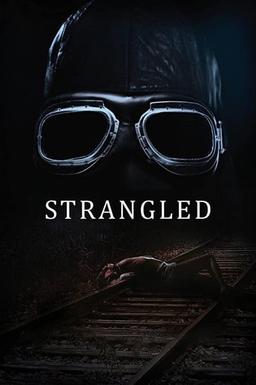
In 1960s socialist Hungary, a serial killer targeting young women torments a small town and the determined detective on his trail. Based on true events.

The Red and the White is a gripping drama that takes place during the Russian Civil War. The story follows a group of soldiers from different factions who are fighting against one another in the relentless war. Amidst the chaos and violence, the film explores the human side of the conflict, depicting the struggles, sacrifices, and atrocities committed by both sides. It delves into the themes of loyalty, betrayal, and the blurred lines between good and evil.
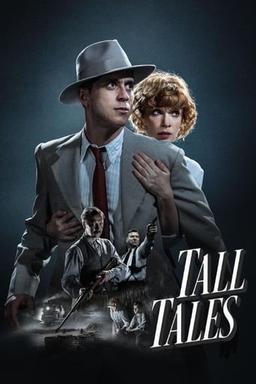
In the year 1945, amidst the war ruins of Budapest, a passionate and ambitious Hungarian history professor finds himself drawn into a web of adultery, seduction, and betrayal. As he embarks on a dangerous affair with a mysterious femme fatale, he becomes entangled in a hunt for truth, filled with passion, lust, and the haunting memories of war.
During the Seven Years War, Austrian Queen Maria Theresa sends her best general, András Hadik and his Hussars to raid Berlin and humiliate the Prussian King, Frederick the Great. In a time of darkness and chaos, with the brutal and militant Prussia raining war upon the peaceful and tranquil Austria, Queen Maria Theresa entrusts her Hungarian general, András Hadik and his fearless Hussars with a mission of great importance: to capture the city of Berlin, the heart of the Prussian empire, and to strike a blow against her enemy, the mighty Frederick the Great.
On March 15, 1848, a young firebrand poet, Sándor Petöfi ignites the Hungarian Revolution with his passionate 'National Song', prompting the Austrians to dispatch a ruthless secret agent to assassinate him and suppress the uprising.

During the Nazi occupation of Hungary, a group of people in a tavern grapple with moral dilemmas in the face of fascism and war. Their actions are like that of a watch, with each decision affecting the lives of others.

Chapters of Hungarian history rooted in the world of fairy tales come to life in the frames of the series of cartoons produced under Marcell Jankovics' midwifery. Thanks to the episodes that provide a detailed account, we can follow the upheavals of the Hungarian people, get to know the often mentioned figures of the past - getting a clearer picture of the well-known and less mentioned legends and events. The stories seasoned with some humor are presented on the screen in the tasteful interpretation of Gábor Szabó Mádi.
During World War II, a young Hungarian couple pretends to be married to protect themselves from the German occupation. As they navigate their complex relationship, their lives are filled with love, betrayal, and the struggle to survive.
Set in the year 1064, Sacra Corona follows a prince's journey to reclaim his kingdom, facing bloodshed, rebellion, and a gang of robbers. As he battles against nomads and fights for his people, love and violence intertwine in this pathos-filled story.
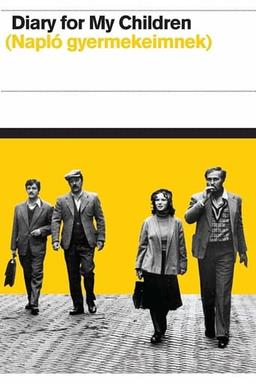
Diary for My Children follows the story of a young girl growing up in Hungary during the communist regime. She navigates through the challenges of society, politics, and personal relationships, documenting her experiences in her diary.
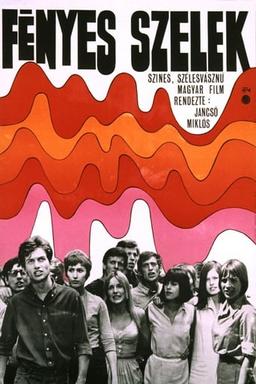
In post-WWII Hungary, a group of Communist college students arrive at a Catholic seminary hoping to engage in peaceful debate with its students.
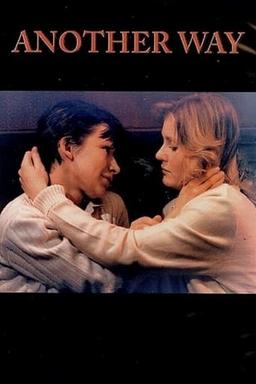
Another Way is a powerful film that explores themes of love, betrayal, and political turmoil during the Hungarian Revolution of 1956. It follows the story of two women who find themselves in a forbidden lesbian relationship amidst the chaos and uncertainty of the revolution. As they navigate through their complicated emotions and face the harsh realities of an oppressive regime, they must make difficult choices that will ultimately shape their futures.

A continuation of "Diary for My Children," the film picks up in 1950, when Juli, the diarist, is 18 and determined to become a movie director.