Movies and TvShows featuring "hitlerjugend" theme.
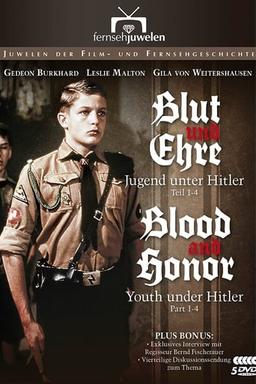
Blood and Honor: Youth Under Hitler, 1982 is a German/American made for TV mini-series which was a co-production between Daniel Wilson Productions and S.W.F and Taurus Films. The original screenplay was by Helmut Kissel and was partly based on his own experience as a member of the Hitler Youth. The scripts that were eventually shot, however, were written by Robert Muller. Helmut Kissel led as the director of the project but was replaced by Bernd Fischerauer within the first couple of weeks when shooting started. The shooting was on location in Baden-Baden, West Germany with the first 4 weeks in August 1980 and the rest of the production was completed between January through March in 1981. Each scene was shot both in English and in German and resulted in two versions of the film. The post production of the German version was completed in spring of 1982. It premiered on West German TV in July 1982 and the American version premiered in November 1982.
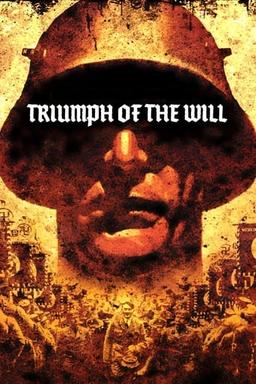

Triumph of the Will is a documentary film directed by Leni Riefenstahl that showcases the 1934 Nazi Party Congress in Nuremberg, Germany. The film serves as a landmark piece of Nazi propaganda, highlighting Adolf Hitler's charisma and the Nazi Party's efforts to establish a totalitarian state. It features extensive footage of mass rallies, military displays, and elaborate parades, all designed to glorify the Nazi regime and create a sense of unity and power.
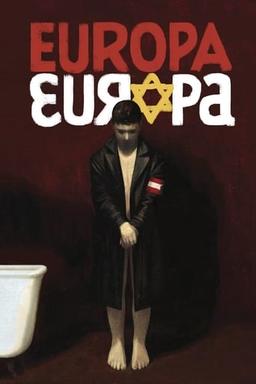
Europa Europa tells the true story of Solomon Perel, a Jewish boy who joins the Hitler Youth and must hide his identity in order to survive during World War II.

A story of a little girl Verka and her life during the beginning of WWII. Based on Vera Sládková novels.
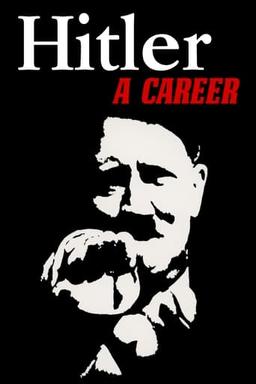
A comprehensive look at Adolf Hitler's life and rise to power, exploring his failed artistic career, his involvement in the Nazi party, and the events leading up to World War II.
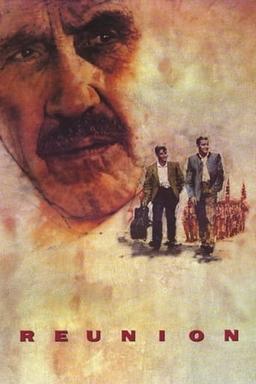
Set in the 1940s, Reunion follows the journey of a young German boy who forms an unlikely friendship with a Jewish classmate amidst the rise of the Nazi regime. Together, they navigate the challenges of growing up, facing anti-Semitism, and the realities of war.
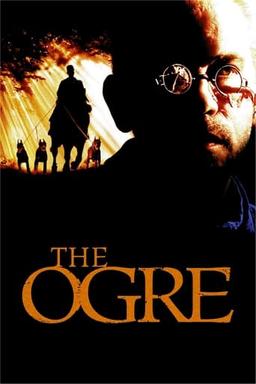
In Nazi Germany, a young boy named Abel becomes a student at a military school. When a murder takes place on the school grounds, Abel is wrongfully accused and must navigate through the dangerous world of Nazi ideology to prove his innocence.

During World War Two, a teacher becomes a spy and infiltrates the Hitlerjugend.

Heil Hitler! Confessions of a Hitler Youth is a documentary that explores the experiences of a former member of the Hitler Youth organization, offering insights into the indoctrination and propaganda used to sway the minds of young Germans during World War II. Based on a book, it provides a unique perspective on the Nazi regime and its impact on youth.

Allied propaganda in the form of cartoons and newsreels shows the rise of Adolf Hitler and the Nazis.
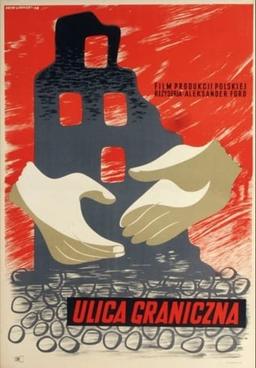
The story of Polish and Jewish families living side by side in one Warsaw street. Everything changes once and for all with the Nazi invasion.

In the midst of World War II, a young American boy named Emil is sent to live with his German relatives. As he spends time with his cousin, he becomes influenced by the propaganda of the Hitler Youth and begins to embrace Nazi ideology. Emil's transformation creates tension within his family and leads to a series of dramatic events that test their loyalty and values.

During World War II, a group of young boy soldiers are tasked with defending a strategic bridge from the approaching enemy forces. With limited resources and against overwhelming odds, they must use their courage and determination to hold their position and protect their comrades.

Hitler Youth Quex is a propaganda film released in 1933 that follows the story of a teenage boy who becomes a hero in the Hitler Youth movement. The film depicts his journey from poverty and communist supporter to an enthusiastic participant in the Nazi movement. It emphasizes the clash between the ideals of the Weimar Republic and the Nazi order, showcasing the boy's sacrifice, spirit, and loyalty to the Nazi party. The plot includes scenes of riots, clashes with communists, printing and distributing propaganda leaflets, amusement park visits, dormitory life, the singing of anthems, and the display of Nazi flags and banners. The film ends with the boy's martyrdom, as he attempts suicide and is hospitalized, ultimately sacrificing himself for the Nazi cause.

Adolf Hitler faces himself and must come to terms with his infamous career in an imaginary post-war subterranean bunker where he reviews historical films, dictates his memoirs and encounters Eva Braun, Josef Goebbels, Hermann Göring and Sigmund Freud.

During the colorful ceremonies of the Nuremberg rallies, Hitler Youth parade before their Fuehrer and are addressed by Nazi youth leader Baldur von Schirach, Rudolf Hess, and Hitler himself.
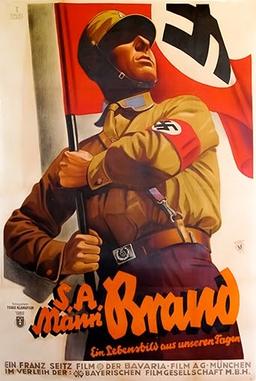
This Nazi propaganda film tells the story of a young truck driver who is having trouble making ends meet until he is exposed to the teachings of Adolf Hitler, and he joins the S.A., aka Storm Troopers, and manages to convert his father--a former soldier with Marxist leanings--and his girlfriend of the rightness of the Nazi cause.
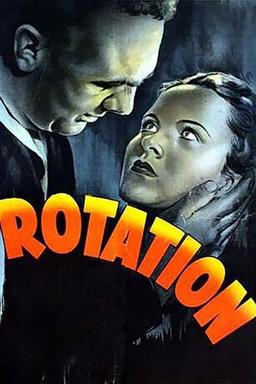
The mechanic Behnke wants to join the Nazi party to secure a good living. However, after his Jewish neighbors have been taken away, he changes his views. Trying to remain "a non-political man," he withdraws from reality and becomes a Nazis laborer.
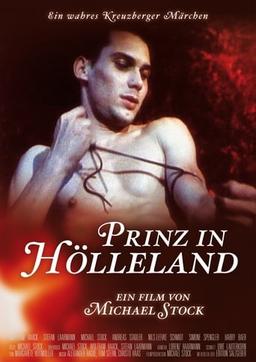
The story is set soon after the reunification of West and East Germany, and is about the disintegrating relationship between Jockel a political activist and Stefan a heroin junkie, and their involvement with a bisexual Micha. A 2nd plot line is concerned with Micha's young son Sascha, and his life in a rundown world of drugs and poverty. His fascination with the creepy, exhibitionist puppeteer Firlefanz, whose grotesque puppets enact a gay fairy tale paralleling the relationship of Stefan and Jockel. Central to the disintegration of these characters is the drug dealer Ingolf, who 'pulls their strings' with heroin, instead of puppet wires.
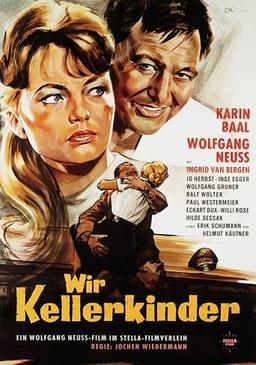
We Cellar Children is a comedic and dramatic movie set in post-World War Two Germany. The story revolves around a father and son who hide in a cellar, trying to avoid being re-educated and denazified. They form a jazz combo with a drummer and are eventually discovered, leading to a series of events involving media manipulation, psychiatric patients, family relationships, and the divide between East and West Germany.