Movies and TvShows featuring "history-and-legacy" theme.
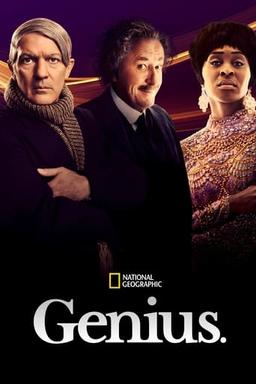
Genius is a TV show that depicts the life of extraordinary individuals who have made significant contributions to various fields. The show focuses on their struggles, achievements, and the impact they have made on the world. In particular, this season of Genius explores the life of a renowned physicist and sheds light on his journey, personal life, and his significant accomplishments.
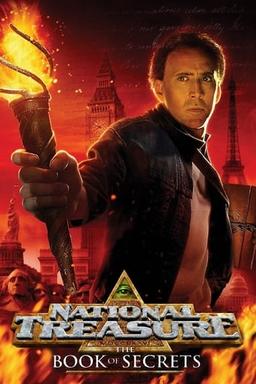
National Treasure: Book of Secrets(2007)
 35%Tomatometer
Benjamin Gates, the great-great-grandson of Thomas Gates, tries to clear his ancestor's name in the assassination of Abraham Lincoln by following a clue in John Wilkes Booth's diary. With the help of his team and a book of secrets, they embark on a globetrotting adventure to find the hidden City of Gold and unravel the conspiracy surrounding the assassination.
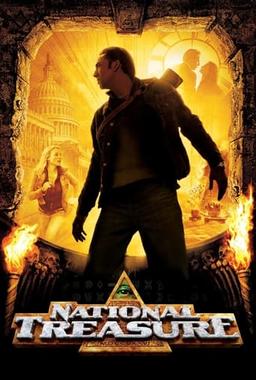
A historian named Benjamin Gates embarks on a mission to find the famous Templar Treasure. With the clue given by his grandfather, Ben sets out to locate the national treasure hidden by the Founding Fathers of the United States and Freemasons during the American Revolutionary War. He must outsmart a team of mercenaries led by Ian Howe who are also after the treasure. Alongside his friend Riley and Dr. Abigail Chase, Ben deciphers ancient clues and navigates through dangerous obstacles to protect the family name and ultimately uncover the hidden treasure.
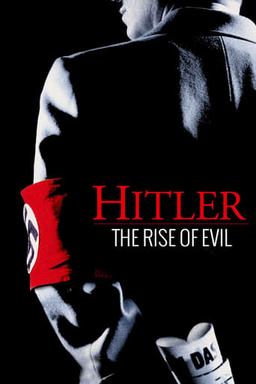
A TV mini-series depicting the rise of Adolf Hitler, exploring his journey from a failed artist in Vienna to becoming the dictator of Germany, leading up to World War II. It examines his political ideology, his role in the Nazi party, and the events that led to his rise to power.
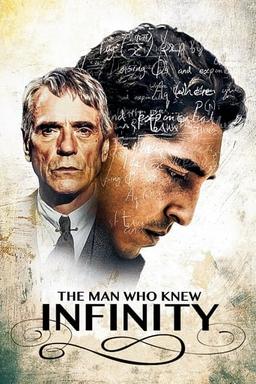
The Man Who Knew Infinity(2015)
63%TomatometerThe Man Who Knew Infinity follows the life of Srinivasa Ramanujan, a self-taught mathematician from India who travels to Cambridge University during World War I to work with renowned professor G.H. Hardy. Despite facing racism, prejudice, and tuberculosis, Ramanujan's groundbreaking contributions to mathematics leave a lasting legacy in the field.
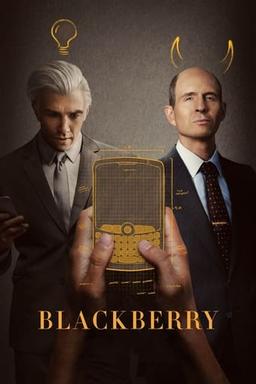
In the story of BlackBerry, a company rises to topple global giants but ultimately succumbs to the ruthlessly competitive forces of Silicon Valley. This is not a conventional tale of modern business failure by fraud and greed. It reveals the dangerous speed at which innovators race along the information superhighway.

Features exclusive eyewitness interviews and previously unseen crime scene photos of cultural icon John Lennon and the investigation and conviction of Mark David Chapman, his confessed killer.

A treasure hunter and his estranged wife must put aside their differences and team up to find a lost treasure before their competitors.

James Cameron's Story of Science Fiction is a TV mini-series that delves into the world of science fiction and its impact on cinema. Through one-on-one conversations with industry pioneers such as directors, actors, and screenwriters, the series explores the evolution of the genre and its influence on society. From the early days of science fiction filmmaking to the present, the series offers a comprehensive look at the genre's history and significance.
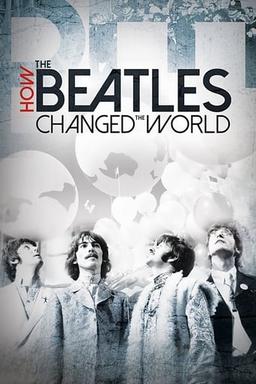
A documentary that explores the impact and cultural significance of The Beatles, focusing on their rise to fame in the 1960s and their lasting influence on music and society. Through interviews, concert footage, and archival material, the film showcases the band's evolution from a four-piece beat group from Liverpool to global icons. It delves into their innovative songwriting, their changing image, and the societal changes they influenced.

Myths die hard, and the history of the 20th century is no exception to this rule. Even today, we hold popular beliefs that we take for Evangelical truths. Thus, we believe that Hiroshima caused Japan to surrender, that the Marshall Plan saved Europe, that Adolf Hitler was a military genius, or that Mao Zedong was a necessary evil for China’s modernization. Of course, these judgements contain some truth; but, too broad-stroked to be accurate, they contradict the historical reality by denying its complexity. What if the truth was slightly different? Through an exploration of great national or international myths, this full archive documentary collection revisits the key moments of the 20th century with a new perspective in order to provide a new, smarter and more subtle interpretation, bringing elements to light that have been forgotten or sometimes overshadowed.
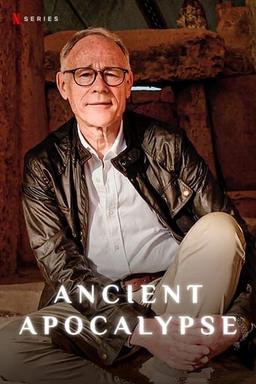
Journalist Graham Hancock explores archaeological sites worldwide to challenge our understanding of prehistory and uncover a highly advanced civilization that may have existed thousands of years ago.
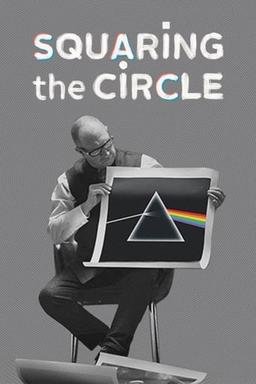
Squaring the Circle (The Story of Hipgnosis)(2022)
92%TomatometerSQUARING THE CIRCLE is a documentary that explores the journey of Hipgnosis, the legendary album art design studio. Founded by Storm Thorgerson and Aubrey 'Po' Powell, Hipgnosis created timeless and influential album covers, revolutionizing the music industry. This film takes viewers on a captivating journey through the vibrant era of rock music, showcasing the genius and impact of Hipgnosis. Featuring interviews with renowned musicians and artists, SQUARING THE CIRCLE paints a vivid picture of the creative process and the profound influence of album artwork on popular culture.

Tokyo Phoenix is a documentary film that explores the rich history of Tokyo, from its early days as Edo to its destruction during World War II and eventual rebirth as a modern metropolis. The film delves into key events such as the dropping of the atomic bombs on Hiroshima and Nagasaki, and the city's transformation in preparation for the Olympic Games. Tokyo Phoenix showcases the resilience and spirit of the people of Tokyo as they rebuild and rise from the ashes.

Skin: A History of Nudity in the Movies(2020)
85%TomatometerSkin: A History of Nudity in the Movies is a documentary that delves into the controversial and fascinating world of nudity in films. It examines the evolution of nudity from the early days of cinema to the present, exploring its cultural significance, artistic expression, and the controversies surrounding it. The film also sheds light on the issues of censorship, the portrayal of sex and sexuality, and the impact of the #MeToo movement on the film industry.


Thirty years after the release of his film JFK (1991), filmmaker Oliver Stone reviews recently declassified evidence related to the assassination of President John F. Kennedy, which took place in Dallas on November 22, 1963.
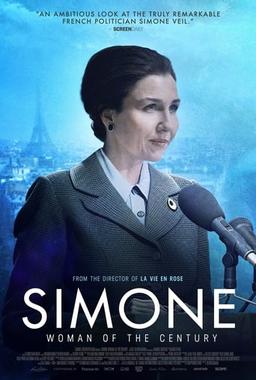
Simone: Woman of the Century follows the remarkable life of Simone Veil, a Holocaust survivor turned influential politician, human rights advocate, and feminist. Through a series of non-chronological memories, the film delves into Veil's challenging childhood, her political battles, and the tragedies she endured. It presents an intimate and epic portrait of an extraordinary woman who championed humanist values and continues to inspire today.
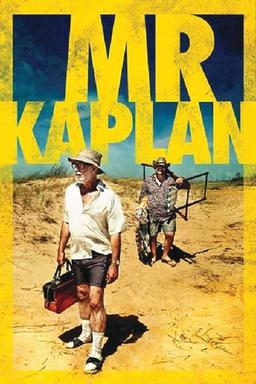
Mr. Kaplan is a German Jew living in Uruguay who, after suspecting a mysterious man of being a former Nazi, embarks on a mission to bring him to justice. Along the way, he forms an unlikely bond with his sidekick, a South American beach boy. This journey leads them into a web of police corruption and family secrets, ultimately forcing Mr. Kaplan to confront his own history and legacy.