Movies and TvShows featuring "hiroshima-and-nagasaki-bombings" theme.

J. Robert Oppenheimer was a national hero, the brilliant scientist who during WWII led the scientific team that created the atomic bomb. But after the bomb brought the war to an end, in spite of his renown and his enormous achievement, America turned on him - humiliated and cast him aside. The question the film asks is, "Why?"
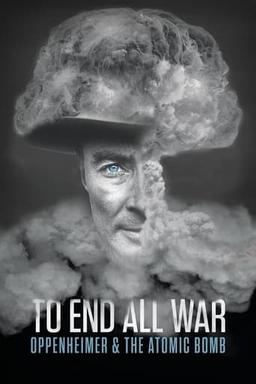
Discover how Oppenheimer's brilliance, hubris, and relentless drive altered the course of war forever.

The true story of a Japanese man during World War II who survived the atomic blast at Hiroshima, got on a train to Nagasaki, and then survived the nuclear explosion in that city.


In this compelling short film, we follow the life of a Montford Point Marine as he reflects on his experiences and the challenges he faced as an African American in the Marine Corps. Set against the backdrop of racial segregation and the horrors of war, the film delves into the Marine's journey from the initial days of training to witnessing the devastating aftermath of the bombings in Hiroshima and Nagasaki. From Korea to Vietnam, the Marine's resilience and dedication shine through as he recounts his harrowing encounters with death and his unwavering commitment to his fellow soldiers. Through his story, the film sheds light on the often-overlooked contributions of African Americans in the Marine Corps and serves as a reminder of the sacrifices made by these unsung heroes. Ultimately, it becomes a powerful testament to the Marine's determination to share his experiences, educate others, and preserve the legacy of African Americans in the military.

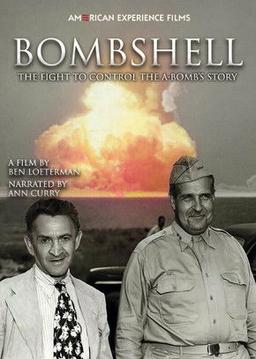
Eighty years after the devastating atomic bombings that ushered in the nuclear age, Bombshell explores how the U.S. government manipulated the narrative about the atomic bombings of the Japanese cities Hiroshima and Nagasaki. Through propaganda, censorship and the co-opting of the press, the government presented a benevolent picture of atomic power, minimizing the horrific human toll. Bombshell sheds light on the efforts of a group of intrepid reporters to let the world know the truth.
An approximation to the atomic bombing of Hiroshima by experimental animation artist José Castillo.
A personal documentary that tracks the construction of America's collective memory (or lack of one) of the bombings of Hiroshima and Nagasaki. It follows the obscure histories of specific photos and photographers, both Japanese and American, who visited Nagasaki and Hiroshima in the aftermath of the bombings, counterposing this visual legacy with the stories of survivors, whose practice of speaking to small groups of students offers a modest but powerful counter-history to the official record.
The unique testimony of a physician who, thanks to a series of coincidences, survived the dropping of the atomic bomb on Hiroshima, brings to life the horror of such an act of mass destruction, even after more than 70 years. The mechanics of the forces that could no longer be stopped once they were set in motion are revealed in a cinematic essay that deconstructs petrified historical interpretation.
No More results found.