Movies and TvShows featuring "go-go-boy" theme.
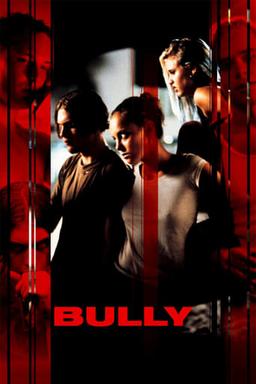

Bully is a powerful drama that delves into the lives of a group of friends in Florida, as they navigate through the complex issues of teenage sexuality, violence, and cruelty. The film addresses the consequences of bullying and the impact it has on the lives of those involved. It explores themes of revenge, manipulation, and the struggle for justice in a society plagued by the cruelty of teenagers.
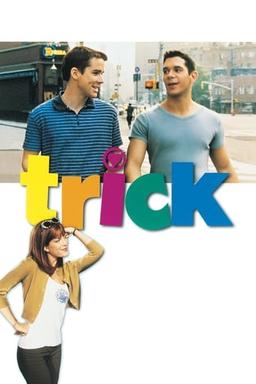
A go-go dancer hopes to catch the eye of a Broadway producer while navigating a complicated relationship with his roommate.
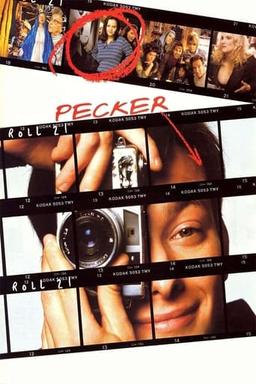
Pecker is a teenage boy from Baltimore, Maryland who becomes an overnight success as a photographer when his eccentric and provocative photos gain attention. He becomes famous in the art world and is swept up in a whirlwind of fame and success. However, Pecker struggles to navigate the art scene and maintain his relationships with his girlfriend and his dysfunctional family. The film is a social satire and explores themes of art, fame, and the price of success.
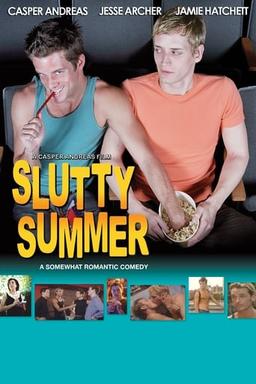
Slutty Summer is a comedy-drama about a group of friends navigating love, relationships, and personal struggles in the bustling city of New York. It follows the lives of various characters, including a struggling writer, a model, and a gay porn star, as they navigate the complexities of modern romance. With themes of love, cynicism, and superficiality, this film explores the highs and lows of summer in the city.

Invited by the conductor Premil Petrovic to stage Arnold Schoenberg’s Pierrot Lunaire, a musical theater work from 1912 based on the poems of Albert Giraud, LaBruce transposed a strange and tragic episode of true crime onto the composition. Complementing the original atonal score is a narrative about a trans man who is outed by his girlfriend’s father and forbidden from seeing the young woman again. Crestfallen, the protagonist decides to prove the fact of his manhood by castrating a taxi driver and then revealing his newly transplanted member to the two of them. This story, which for LaBruce “serves as a kind of allegory for all gender radicals and outcasts driven to extremes by the disapproval and hostility of the dominant order,” is rendered in a visual style that nods to the era of Schoenberg’s melodrama. LaBruce cheekily appropriates the formal vocabulary of silent cinema with black-and-white photography, irises, and intertitles like “A cock, a cock, my kingdom for a cock!”
No More results found.