Movies and TvShows featuring "generation-gap" theme.

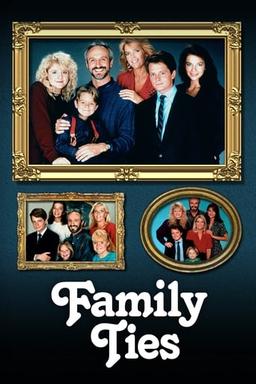
Family Ties is a sitcom that follows the Keaton family, consisting of a young Republican couple, their three children, and their ex-hippie friend. The show explores the culture clash and generation gap between the parents and their children, with politics often being a central theme.

Cuéntame cómo pasó is a long-running Spanish television series that follows the lives of the Alcántara family during the Franco era and the transition to democracy in Spain. The show explores themes of family relationships, friendship, teenage love, and the generation gap. Set in the 1960s, 1970s, and 1980s, it provides insight into the culture and societal changes that occurred during those transformative decades. Through the eyes of the Alcántara family, viewers witness significant historical events, personal struggles, and the impact of politics on daily life. From childhood memories to post-civil war experiences, Cuéntame cómo pasó offers a heartfelt and engaging portrayal of the times.
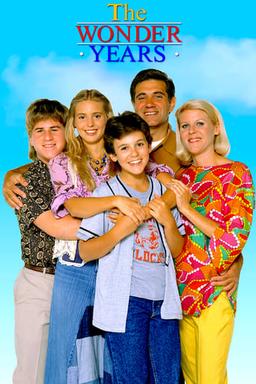
The Wonder Years follows Kevin Arnold as he navigates the ups and downs of growing up, dealing with family, friends, school, and first love, against the backdrop of the changing times and societal issues of the 1960s and 1970s.

The Neighborhood follows the Johnsons, an African-American family who move into a predominantly white neighborhood in Los Angeles. The show explores the generation gap and cultural differences that arise between the Johnsons and their new neighbors, leading to hilarious situations and family conflicts.
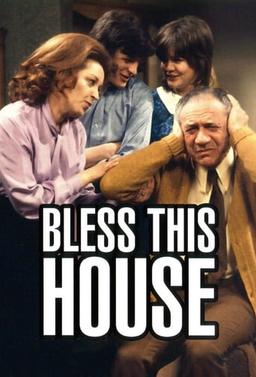
Bless This House follows the life of a suburban family as they navigate through various generational conflicts. The show revolves around the comedic misunderstandings and family values that arise within the household. The father-daughter and father-son relationships, as well as the husband-wife relationship, are explored amidst the backdrop of the suburban neighborhood and the interactions with their neighbors. The show highlights the generation gap and showcases the experiences of the family.
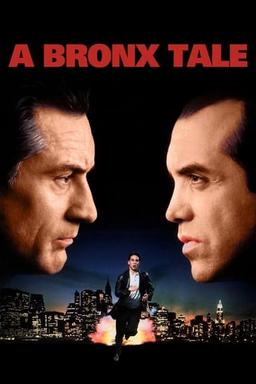

A seventeen-year-old Italian boy, Calogero, is torn between his hard-working father and a violent yet charismatic crime boss in the 1960s Bronx. As he navigates this environment, Calogero experiences a coming-of-age journey filled with loyalty, violence, and the struggle to understand his place in the world.

American Dreams is a TV show set in Philadelphia during the 1960s. It follows the Pryor family as they navigate the social, political, and cultural changes of the time. The show explores themes of family, love, and the pursuit of the American dream.

Wait Till Your Father Gets Home is an animated TV show from the 1970s that revolves around the Baxter family as they navigate various challenges caused by the generation gap. Harry Baxter, the father, owns a small business and often clashes with his progressive children. The show explores themes of family relationships, cultural shifts, and societal norms.

Till Death Us Do Part is a British comedy TV show set in the 1960s in London. The story revolves around a grumpy and conservative husband who frequently engages in arguments with his wife, daughter, and son-in-law. The show explores themes of racism, sexism, and the generation gap.

Plebania is a Polish soap opera broadcast from October 5, 2000 to January 27, 2012 on TVP1. The series is about the lives of ordinary people in the fictional Polish village of Tulczyn. The plot revolves around the family, religious, and social issues of the village inhabitants with central roles played by a parish priest, his family and friends, and a wealthy business man known for shady dealings. Plebania is the second-longest Polish soap opera.
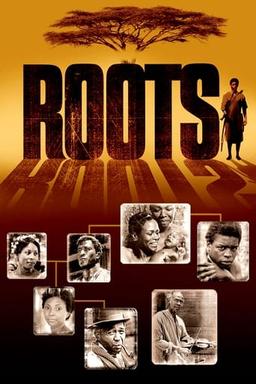
Roots is a compelling television miniseries that follows the story of an African-American family and their struggles through slavery, emphasizing the themes of racism, family, and freedom. Set in the 18th and 19th centuries, the series explores the harsh realities of slavery, the cruelty inflicted upon slaves, and their fight for liberation.
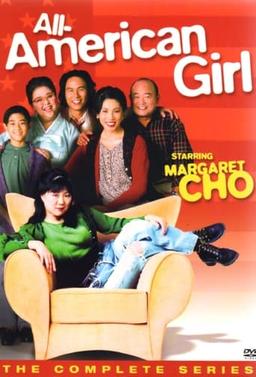
All-American Girl is a sitcom that follows Margaret Kim, a young Korean-American woman living with her traditional parents and younger brother in Los Angeles. Margaret struggles with cultural clashes as she tries to balance her Korean heritage with her desire to be a modern American woman. The show explores themes of generational differences, immigrant experiences, and family dynamics.

¿Qué Pasa, U.S.A.? is America's first bilingual situation comedy, and the first sitcom to be produced for PBS. It was produced and taped in front of a live studio audience at PBS member station WPBT in Miami, Florida and aired on PBS member stations nationwide. The program explored the trials and tribulations faced by the Peñas, a Cuban-American family living in Miami's Little Havana neighborhood, as they struggled to cope with a new country and a new language. The series was praised as being very true-to-life and accurately, if humorously, portraying the life and culture of Miami's Cuban-American population.

John McClane, a detective, is asked by the FBI to bring in a hacker named Matthew Farrell. They discover a cyber-terrorist named Thomas Gabriel is behind a plot to disable the U.S. infrastructure. McClane and Farrell must stop Gabriel before he can cause more chaos and save McClane's daughter, who has been kidnapped.

Set in 1979 Santa Barbara, 20th Century Women follows three women from different generations as they navigate through various personal challenges and relationships. Dorothea, a single mother, seeks help from Abbie and Julie to influence her son Jamie's perception of life and the world around him. Through their unique experiences and perspectives, the women explore themes of love, freedom, and the complexities of womanhood.

A filmmaker named Salvatore recalls his childhood in a post-WWII town in Southern Italy. Known as Toto, he develops a strong love for cinema and befriends Alfredo, the cinema's projectionist. Despite facing challenges and tragedies, including the cinema burning down and Alfredo losing his sight, Salvatore continues to pursue his passion for film. Eventually, he falls in love with a girl named Elena, but their relationship faces obstacles. Salvatore becomes a successful filmmaker and reunites with Elena after Alfredo's death. They confront their past and go their separate ways.
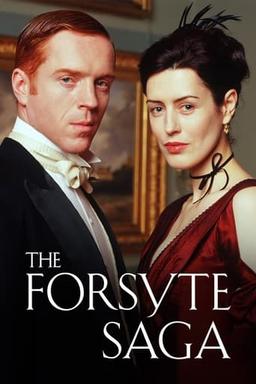
The Forsyte Saga (2002) is a British historical drama set in the Edwardian era. It tells the story of an upper-middle-class family and their struggles with wealth, social issues, and family feuds. The plot revolves around a pathologically jealous husband, a tragic romance, and a forbidden love affair. The series explores themes of male heir, social discrimination, and female subjugation in a patriarchal society. It also delves into the effects of the Boer War and the generation gap. With its costume-drama setting, the show takes place in London, England and features three generational family dynamics spanning from the 1870s to the 1920s.
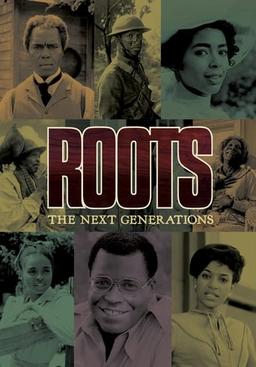
Roots: The Next Generations is a TV mini-series that chronicles the lives of the descendants of African-American slaves after the American Civil War. The story explores themes of racial discrimination, interracial relationships, and the struggles faced by African-Americans in various historical periods.

The Aam Aadmi Family is a delightful TV show that follows the lives of a middle-class family and the humorous situations they encounter. From tackling generation gaps to finding happiness in the little joys of life, this heartwarming series showcases the experiences of the common man. With a touch of comedy and drama, it explores themes of family relationships, mutual fund investments, and the dynamics of a middle-class household.