Movies and TvShows featuring "france-algerie" theme.


The son of a French colonialist in Algeria returns to Algeria after learning that his father is ill. Memories from childhood return. He also must deal with some problems involving the Algerian fight for independence.
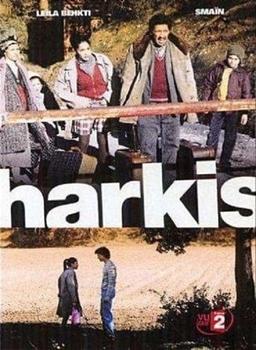
1972, in the south of France, deep in the forest, a family with meager luggage discovers the new camp where they will live. Despite the camp leader's overt paternalism, the Harkis lead a difficult life without real freedom. A life of poverty and guardianship that Leila, the Benamars' eldest daughter, rejects. She is at the age of rebellion, and also of her first love. For her, her father, Saïd, scarred by war and exile, accustomed to giving in, owes nothing to the French who enlisted him in the French army, then failed to protect them in Algeria. Thanks to her, with the help of a peasant couple, he will raise his head and the Benamars will leave the camp for a nearby farm.

In 1963, Rosans, a village in the Hautes-Alpes region depopulated by the rural exodus, welcomed Harkis (military soldiers) forced to leave Algeria for supporting France during the Algerian War. Around thirty families settled in a camp below Rosans. Nearly half a century after their arrival, first- and second-generation Harkis and native Rosanais recount their experiences of this culture clash, often painful, sometimes happy. Language barriers, religious differences, living in barracks for 14 years, and unemployment were all obstacles to overcome in order to be accepted and then achieve mutual enrichment. Enriched with archive footage to explain the historical context of the time, the film seeks above all to express feelings and unspoken words.

No More results found.