Movies and TvShows featuring "forestry" theme.
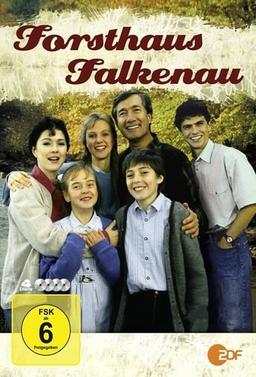
Forsthaus Falkenau is a German television series.

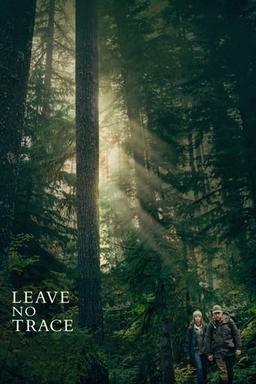

A military veteran and his teenage daughter have been living off the grid in the forests of Oregon. When their hidden camp is discovered by social services, they are forced to navigate the challenges of re-integrating into society while trying to maintain their way of life.

Förster Horn is a German television series.
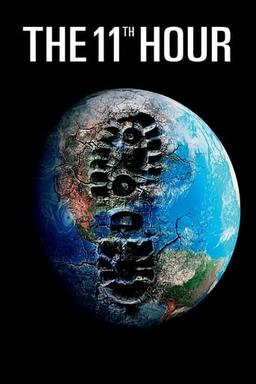
The 11th Hour is a documentary that reveals the urgency of the climate crisis and the need for immediate action. It explores the devastating consequences of human activity on the planet, such as greenhouse gas emissions, deforestation, and overfishing. Through interviews with experts and activists, the film highlights the moral responsibility we have to protect and preserve the environment for future generations.
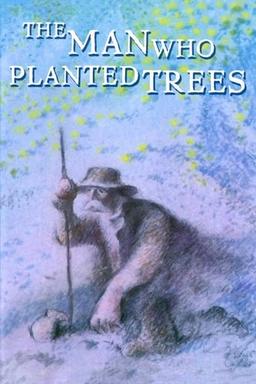
The Man Who Planted Trees (1987) tells the inspiring story of a widower who, over a period of several decades, diligently plants acorns and single-handedly transforms a barren landscape into a thriving forest. Set in rural France during the early 20th century, the movie explores themes of sustainability, hope, and faith. It highlights the importance of reforestation and the positive impact it can have on the environment. Through the perspective of a houseguest who encounters the shepherd, the film portrays the journey of a man dedicating his life to the cultivation of trees, showcasing the power of individual action to create lasting change.

When Rana's delight, her hen, Kakoli, goes missing, causing her to enter into the state of shock, and joy consequently leaving her completely, her brother and his friend embark on a quest to find the animal, and possibly save her from the dangerous band of local poachers, who coincidently turn out to be followed for arrest by the very small team of local rangers, consisting of Rana's father, among others.
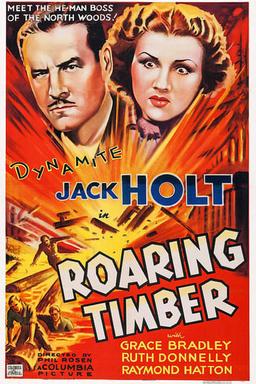
Jim Sherwood , toughest logging boss in the timber country, takes on his toughest assignment when he agrees to cut an enormous volume of timber for Andrew MacKinley, who has to deliver the timber within sixty days.
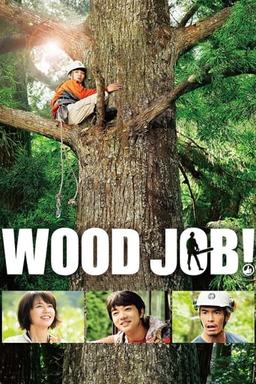
A young man named Yuki moves from the city to the countryside after failing his university entrance exams. He starts working in the forestry industry and gradually falls in love with the outdoors. As he navigates his new life, he encounters various challenges and learns important life lessons.

Forest for the Trees is a thought-provoking documentary that explores the intricate relationship between forestry and the environment. It delves into the challenges faced by individuals recovering from addiction and their involvement in tree-planting as a therapeutic and sustainable solution. The film also highlights the importance of community support for addiction recovery and the role of photography in capturing the beauty of nature.

The Hidden Life of Trees is a nature documentary that explores the fascinating world of trees, revealing their complex network and communication systems. Based on a bestselling book, the film takes us on a journey through the forests of Dalarna, Sweden, to explore the lives of ancient trees and the threats they face from monoculture and the timber industry. It showcases the work of a forester and conservationist who strives to protect these majestic beings and highlights the importance of forest ecology and sustainable forestry practices. Through stunning timelapse footage and insightful interviews, the documentary unveils the intricate relationships between trees, fungi, soil, and other plant life, reminding us of the vital role forests play in our world.
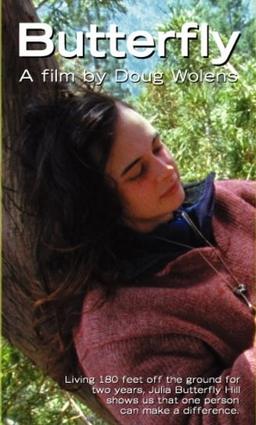
Living in an ancient redwood tree for more than two years to prevent the tree from being clear-cut, Julia Butterfly Hill captured our hearts and minds by showing us that one person can make a difference. Through interviews with Hill, filmmaker Doug Wolens paints a portrait of an intensely spiritual and articulate woman who encountered both beauty and horror (she was assaulted by lumber company helicopters at one point) during her time above ground.
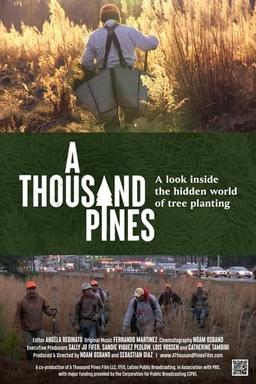
In this tale of labor and family that shines a light on the precarity of temporary work visas, Raymundo Morales leads a crew of workers who have to make the challenging decision to leave their families in rural Mexico to plant commercial pine forests in the United States.

A Woman Without Love is a drama and romance film set in Mexico City in the 1950s. The story follows a woman as she navigates a complex series of relationships and emotions, including an extramarital affair, a marriage of convenience, and the death of her father. Based on a novel, the film explores themes of inheritance, impossible love, and the challenges of family dynamics. With an antique shop and medical clinic as central settings, the film captures the atmosphere of Mexico City during this era. The protagonist also grapples with issues of envy, reconciliation, and the discovery of an illegitimate son, adding further layers of complexity to the plot. Other elements include scenes of fishing in the countryside and the portrayal of the patriarchal society of the time.
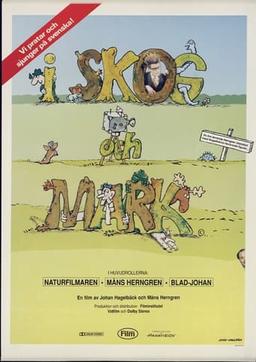
Blad-Johan and the Nature Filmer are two cartoon characters who are part of this rhapsodic montage of crazy ideas and situations that take place in nature.

In 1983, fifteen Cape Breton, Nova Scotia, landowners went to court to stop the spraying of herbicides by the local subsidiary of a Swedish multinational on forests adjacent to their properties. They found that the testimony of scientists and the support of public opinion, both here and abroad, were not enough to win their case. The film shows their ordeal and the landmark Sydney trial. Concerns raised included potential conflict-of-interest situations where a government must protect citizens' health while supporting certain kinds of industry; the relative value of the political and judicial processes in mediating social problems; and the need for a public forum for debating environmental issues. The film contains outstanding footage from chemical-industry films of the 1950s and recent material about Vietnam veterans affected by Agent Orange.
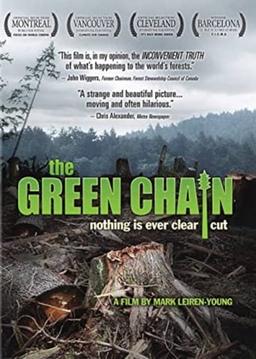
The battle between loggers and environmentalists is defining, dividing and destroying communities in Canada and around the world. The Green Chain is a powerful, funny and thought-provoking film about the people who love trees.
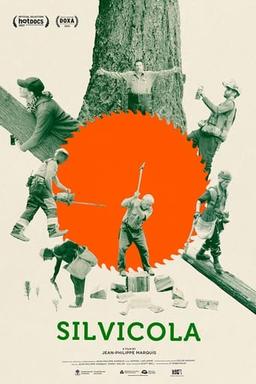
The human impact on forests is explored through breathtaking vistas and poignant vignettes set in Canada's Pacific Northwest. Those who rely on this precious resource highlight the tensions and dilemmas between commodification and conservation.