Movies and TvShows featuring "food-on-face" theme.


Tokyo Ghoul is a movie based on the manga of the same name. It tells the story of a young man named Kaneki who becomes a ghoul after a chance encounter with one. As he struggles to come to terms with his new identity, Kaneki must navigate the dangerous world of ghouls in Tokyo while also trying to keep his human side intact.

A mentally disturbed "Hamburger Killer" stalks the streets murdering unsuspecting fast food diners in this 1978 low budget comedy-horror short.
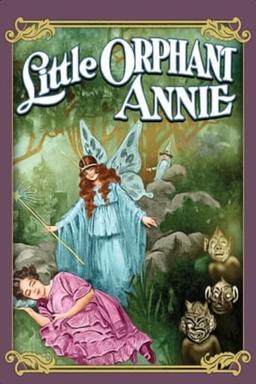
Annie, left orphaned after the death of her mother, goes to live in an orphanage where she tells her fellow orphans stories of ghosts and goblins. The matron of the orphanage finds Annie's closest relative, the abusive Uncle Thomp. Her uncle who puts her to hard work doing hard labor on his farm, belittling her all the while. Big Dave, a neighbor and tough cow-poke sees this and comes to her aid. Dave becomes her protector. Eventually Annie goes to live with Squire Goode and his large family. There, she entertains the children of the household with her stories, but sees her abusive aunt and uncle as her chief tormentors. She tells stories of how the goblins will take away the children if they are not good. Each story she tells is illustrated. War breaks out and Dave, who Annie adores, enlists. Uncle Thomp, hearing that Dave has been killed in action, takes pleasure in telling Annie the news. Broken-hearted, Annie falls ill and dies in bed, surrounded by family.

Zasu & Thelma go out with two idiots to a nightclub.
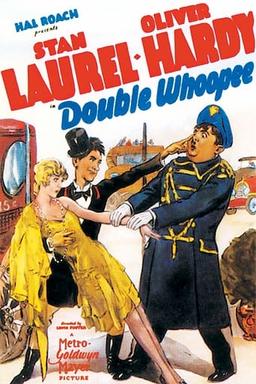
In this slapstick comedy, Laurel and Hardy take on new jobs as footmen at a hotel. They become entangled in a case of mistaken identity when they have to impersonate a prince and a prime minister. Chaos ensues as they navigate their way through various comical situations, including an elevator mishap and a run-in with a taxi driver.

Ted is riding for Pa Martin against Cooper in the big race. When Cooper has his men capture Ted, Peggy overhears them and sets out to free Ted in time for the race.
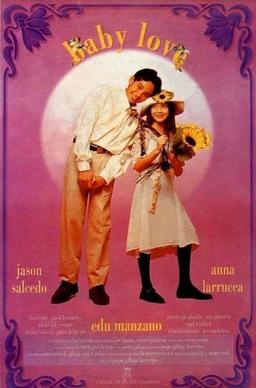
Andie and Ira sincerely think that they are deeply in love and ready to face the world. They attempt to tie the knot and build a life of their own. Their parents are shocked by their children's behavior until they realize their shortcomings led the kids to run away from their boarding school.
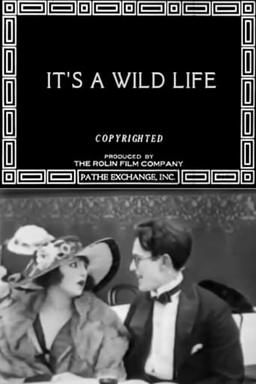
Harold invades the "Gilded Guzzle" café, where he appropriates a lady's roll of money, hides under a table and impersonates a cigar store Indian.
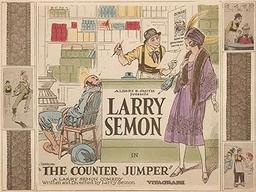
In the late 19th and early 20th centuries, 'counter jumper' was the term used in both Britain and the U.S.A. to describe the lowest dogsbody clerk in a general store or emporium. Here, Semon is employed in that capacity in an Old West general store that caters for desperate characters. As usual for Semon, most of the gag set-ups are deeply contrived and implausible. We get here not one but two separate sequences in which randomly splattered stains just happen to resemble a human face.
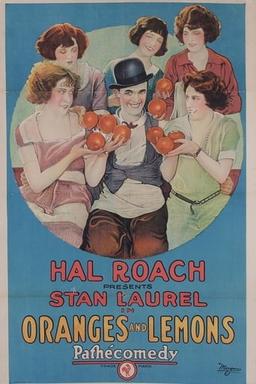
After getting into a scuffle with his boss and some co-workers, an orange packer tries to help another co-worker, only to wind up in a conflict with him as well. Trying to elude his boss, he heads inside the packing house, and visits with the women who are packing fruit into cases. Then he heads to a storage area, and tries to use the machinery to escape his pursuers.

A timid man undergoes a personality change, and turns the tables on the people who've bullied him.
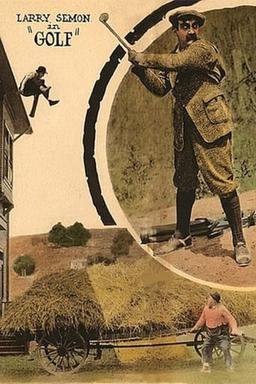
Comedy on the golf links.
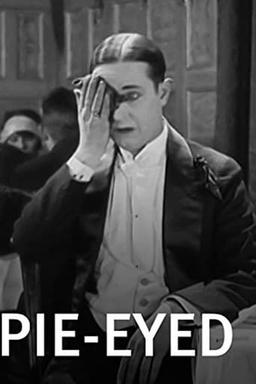
It's 3:00 AM at the Firewater Club, and Stanley has had more than enough to drink. When he tries to take over leading the orchestra, the manager - a former boxer - lets him know that he needs to restrain himself. But it's not long before Stanley causes another disruption anyway, and when he then tries to dance with the manager's wife, the manager's patience finally runs out.

Chaos reigns in Louise Fazenda's kitchen as the cat stalks and consumes the bird in the cuckoo clock and the baby paints its face with jam. In her next job in a restaurant kitchen, Louise scrambles up her powder puff and her biscuits. The cook orders her to lighten them up. She blows them up like balloons, but they come out like rubber balls and so she is bounced out of that job. In her next position as housekeeper to a rich family, she throws a party for her friends when the family goes on vacation and they turn the house topsy-turvy.
The film begins with Ben Turpin looking for some food. He's a hobo and is resorting to trying to steal food from a baby. That 'baby' is actually four year-old midget, Billy Barty. After spending some time in the park mooching, the film changes locales--to a beauty salon.
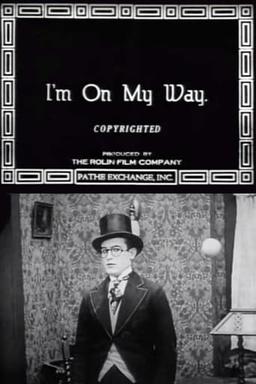
Harold Lloyd's character loves Bebe Daniels' character and is about to marry her. But then he meets the clan of Snub Pollard where it's a riot all the time.

Fatty rescues the daughter of the police commisioner and is given a job as an officer as a reward, but its not all its cracked up to be!

What we present to the world is a carefully curated version of reality. Girls Will Be is a powerful visual meditation on this topic, exploring the all too au courant themes of image obsession, social pressure, and shame. This "anti-fashion" fashion film eschews traditional narrative structure, instead presenting viewers with a dreamy tableau that viscerally juxtaposes the "perfect" images rampant on social media with the grotesque reality that often lurks beneath these lovely facades. In Girls Will Be, viewers get an uncomfortably firsthand close-up of the loss of innocence of a teen girl as her desire to be accepted by peers—and by extension society— makes her vulnerable to their perversely warped value system.
A society woman falls for a man she meets on the beach. The man decides to teach her a lesson by masquerading as his butler.
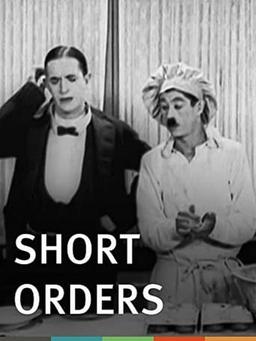
Stan plays a waiter at a crappy restaurant and frankly such fare was better done by Chaplin and others. However, in two cute scenes, the film shines. The first is a Limburger cheese bit that is low-brow but funny. The second is the final scene with dogs following Stan at the end.